
Plant · GBIF taxon 4144844
Antarctic Hairgrass
Deschampsia antarcticaAlso known as Antarctic Hair Grass
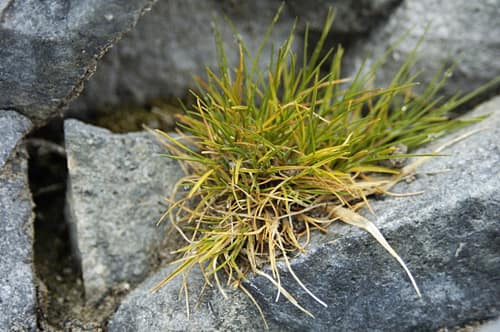
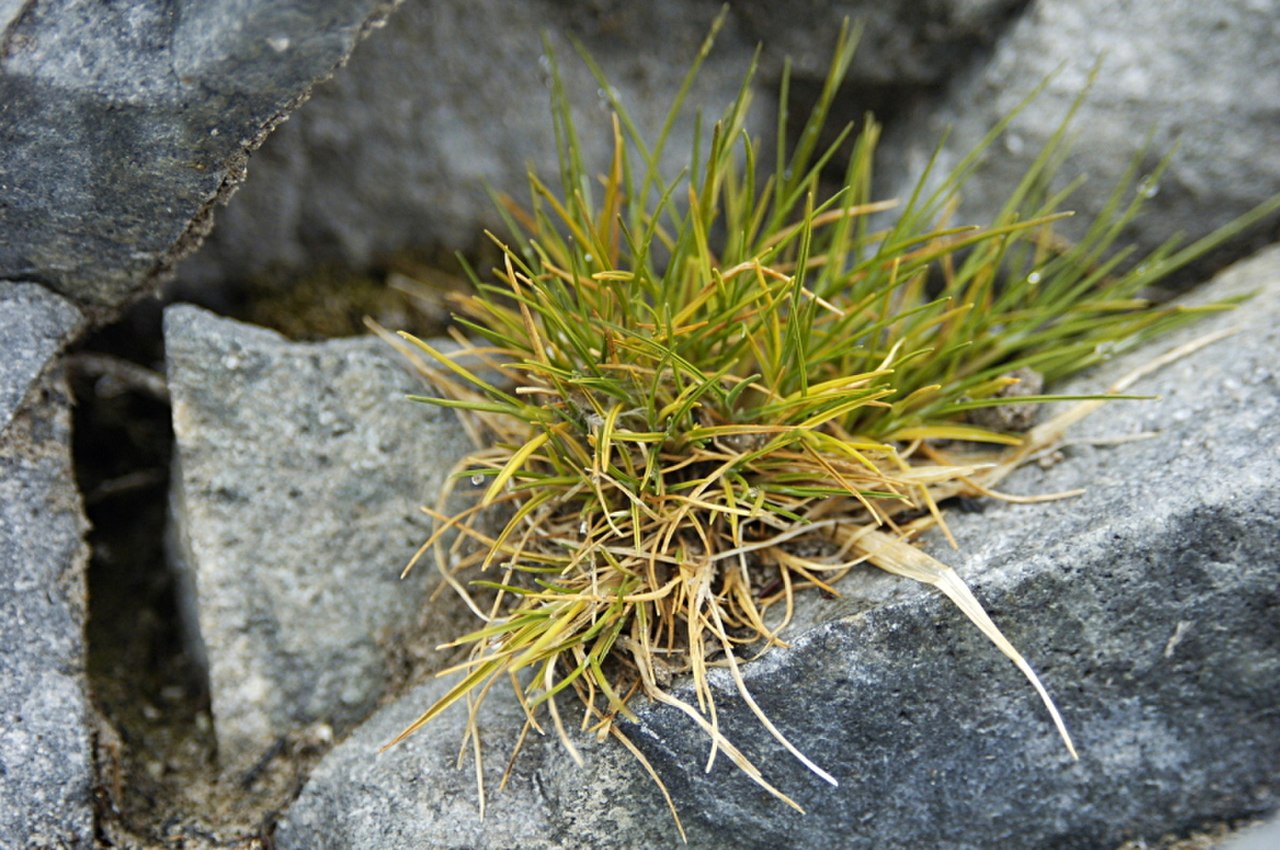
Antarctic hairgrass forms dense, bright green cushions that thrive in the harsh polar conditions of the Antarctic Peninsula and surrounding islands. As one of only two native flowering plants on the continent, it relies on self-pollination and wind dispersal to spread across exposed rocky slopes. Its expanding range in recent decades serves as an important ecological indicator of warming regional temperatures.
PolarFloweringHardy
—observations
—countries
—peak records
Not EvaluatedConservation statusIUCN Red List categoriesLCNTVUENCREWEXNot Evaluated — not placed on the risk ladderRed List categories, explained →
Diet & prey
- Autotrophic (photosynthetic)
Predators
Not available
ThreatsInvasive non-native species, human trampling, rapid climate shifts
HabitatsCoastal tundra, rocky scree, ice-free maritime Antarctic shores
Life spanPerennial (many years)
Size / weightNot available
Classification
- FamilyPoaceae
- SpeciesDeschampsia antarctica
Range data is not available yet.
Interaction riskLow
- Low
- Moderate
- High
- Very high
- Why interaction risk is low
- Safe to observe at a normal distance.
- What to notice
- Recognizable as low, dense tufts of fine green grass growing on exposed Antarctic soil and scree.
- Support conservation
- Follow all Antarctic Treaty visitor guidelines, stay on designated walking paths, and avoid stepping on vegetation.
Responsible observation
- Observation: Look for low tufts clinging to rocky, snow-free coastal ground during the polar summer.
- Biosecurity: Thoroughly clean boots and gear before landed visits to prevent introducing alien seeds.
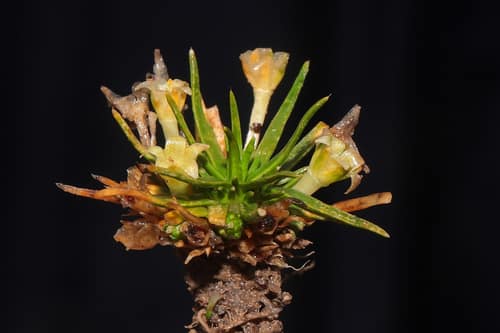
Native Co-occupant (c) Paúl Gonzáles, some rights reserved (CC BY), uploaded by Paúl Gonzáles · cc-by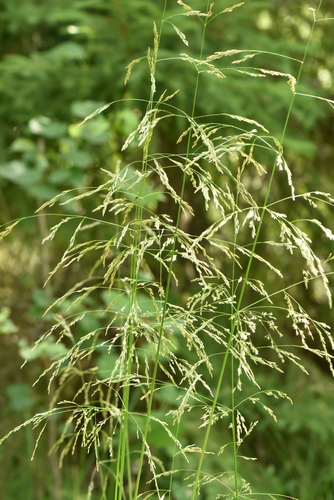
Close Relative (c) Марина Садыкова, some rights reserved (CC BY), uploaded by Марина Садыкова · cc-by
Help improve the field guideSomething wrong?
Checking your Fauna account…Report a name, category, or profile issue for review.