
Plant
Silver Tussock
Poa citaAlso known as Wī, Pātītī
Silver tussock forms dense, fountain-like mounds of narrow, shimmering foliage that ripples gracefully in the wind across open New Zealand landscapes. These robust perennial clumps create essential microclimates, harboring native skinks, geckos, and diverse ground beetles within the insulated thatch beneath their leaves. Well adapted to infertile soils, wind, and drought, they naturally stabilize shifting riverbed gravel and dry hillside slopes.
TussockEndemicDrought-Tolerant
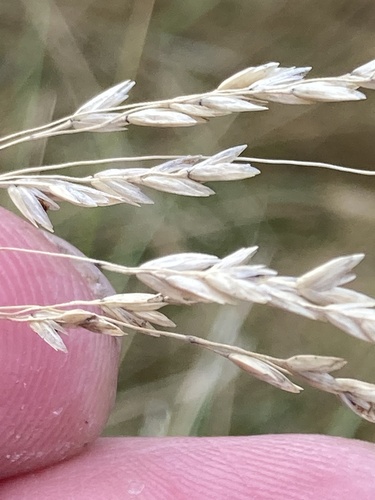
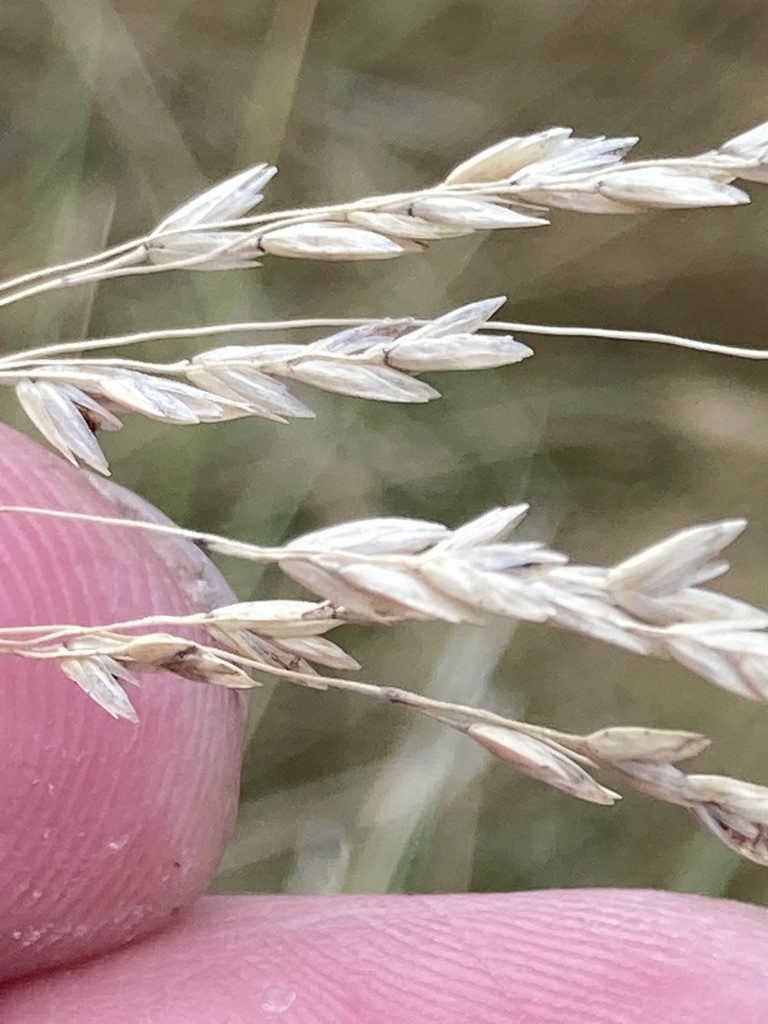
—observations
—countries
—peak records
Least ConcernConservation statusIUCN Red List categoriesLCNTVUENCREWEXLeast ConcernRed List categories, explained →
Diet & preyAutotrophic (photosynthetic)
Predators
- Sheep
- European rabbit
- Grass moth caterpillars
ThreatsOvergrazing, invasive exotic pasture grasses, and agricultural conversion
HabitatsTussock grasslands, coastal bluffs, sand dunes, and river terraces
Life spanPerennial (10–30+ years)
Classification
- FamilyPoaceae
- SpeciesPoa cita
Range data is not available yet.
Interaction riskLow
- Low
- Moderate
- High
- Very high
- Why interaction risk is low
- Safe to observe at a normal distance.
Responsible observation
- Habitat Spotting: Look for its silvery, drooping foliage on sunny, dry hillsides and river flats.
- Wildlife Checking: Gently inspect clump perimeters on cool, sunny mornings to spot basking skinks.
 Image unavailable
Frequent Companion 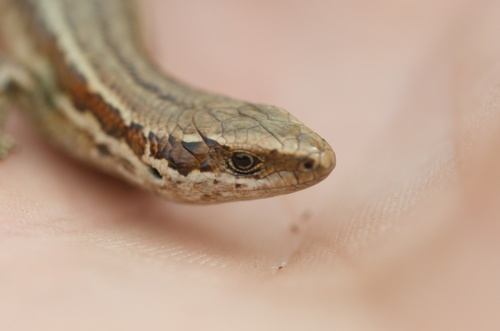
Sheltered Fauna (c) Jon Sullivan, some rights reserved (CC BY) · cc-byClose Relative
Help improve the field guideSomething wrong?
Checking your Fauna account…Report a name, category, or profile issue for review.