
Plant
Feather Reed Grass
Calamagrostis acutifloraAlso known as Karl Foerster Grass
Feather reed grass forms dense, clumping tufts of deep green foliage that stay strictly upright throughout the growing season. In early summer, rigid vertical stems emerge carrying feathery bronze plumes that fade to narrow, buff-colored stalks by autumn. This naturally occurring sterile hybrid thrives in full sun and wet soils, providing winter structure and shelter for roosting songbirds.
PerennialOrnamentalGrass
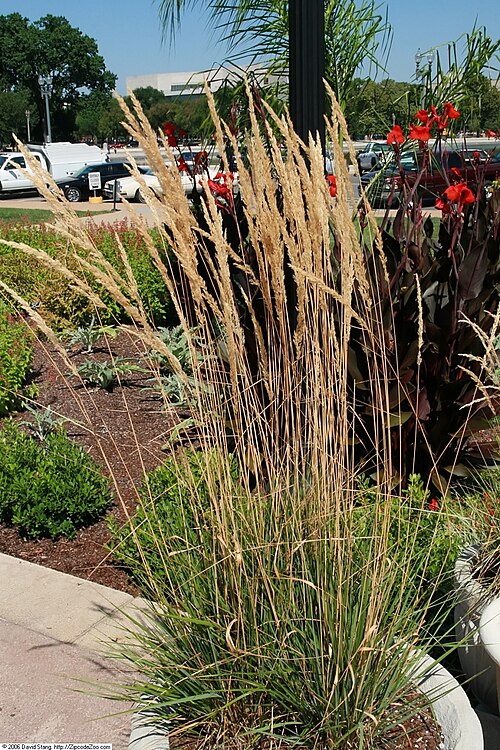
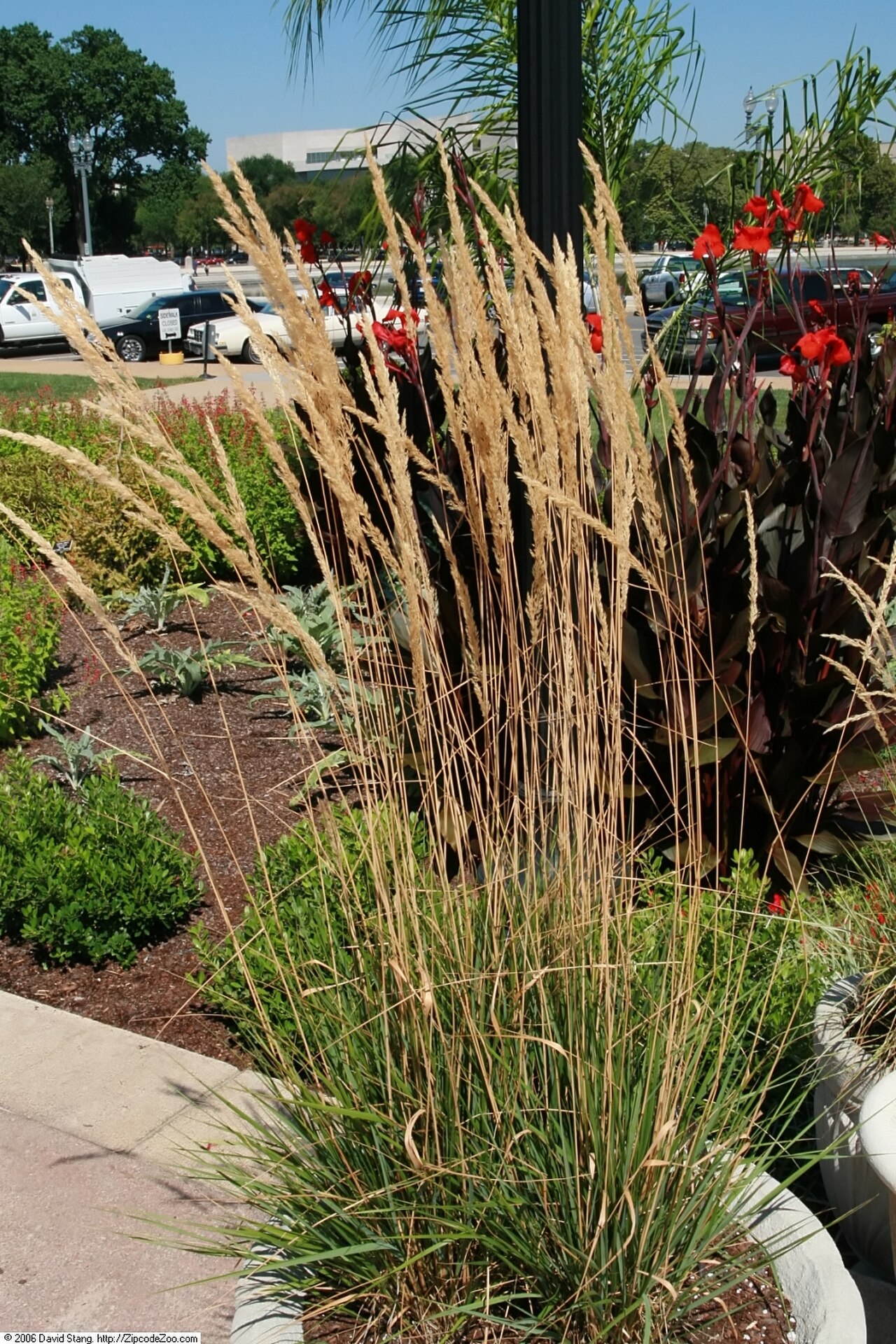
—observations
—countries
—peak records
Not EvaluatedConservation statusIUCN Red List categoriesLCNTVUENCREWEXNot Evaluated — not placed on the risk ladderRed List categories, explained →
Diet & preyPhotosynthetic
Predators
- Cattle
- Rabbits
- Voles
ThreatsHabitat disruption and competition from aggressive weeds
HabitatsMoist meadows, streambanks, open woods, and gardens
Life span10–20 years
Classification
- OrderPoales
- FamilyPoaceae
- GenusCalamagrostis
- SpeciesCalamagrostis acutiflora
Range data is not available yet.
Interaction riskLow
- Low
- Moderate
- High
- Very high
- Why interaction risk is low
- Safe to observe at a normal distance.
Responsible observation
- Timing: Look for airy reddish-bronze flowers starting in early June.
- Winter Aesthetics: Observe seed heads left standing through winter for snow-dusted visual structure.
- Identification: Distinguish from other tall grasses by its tight, strictly vertical clumping habit.
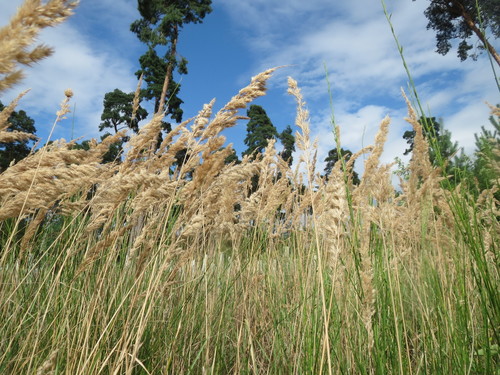
Parent Species (c) Andreas Rockstein, some rights reserved (CC BY-SA) · cc-by-sa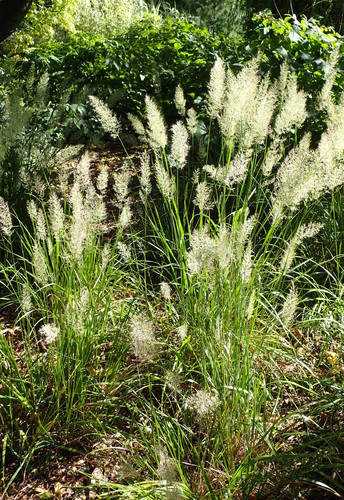
Parent Species (c) Krzysztof Ziarnek, Kenraiz, some rights reserved (CC BY-SA) · cc-by-sa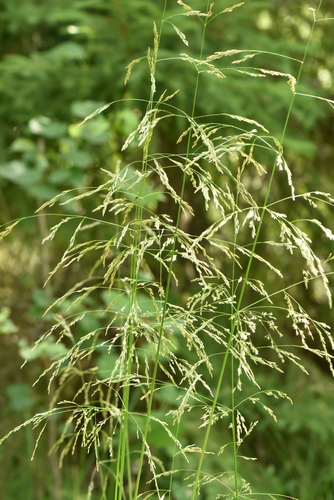
Habitat Companion (c) Марина Садыкова, some rights reserved (CC BY), uploaded by Марина Садыкова · cc-by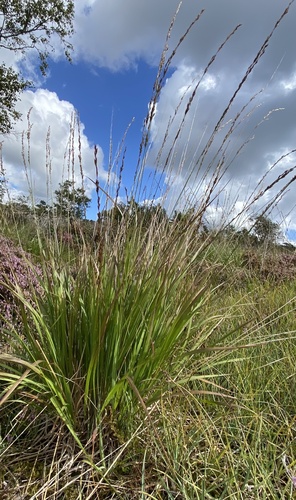
Frequent Companion (c) Julia Henning, some rights reserved (CC BY), uploaded by Julia Henning · cc-by
Help improve the field guideSomething wrong?
Checking your Fauna account…Report a name, category, or profile issue for review.