
Plant
Gulf Muhly
Muhlenbergia sericeaAlso known as Gulf Hairawn Muhly, Sweetgrass, Dune Hairgrass
Gulf muhly forms dense, fine-textured tussocks along coastal dunes and sandy maritime openings of the Southeastern United States. In autumn, the grass erupts into delicate, airy panicles of vivid pink-to-purple flowers that appear like a hazy cloud catching the coastal breeze. For centuries, its flexible stems have served as an essential material for the traditional coil-basket weaving practiced by coastal Gullah Geechee artisans.
CoastalPerennialNative Grass
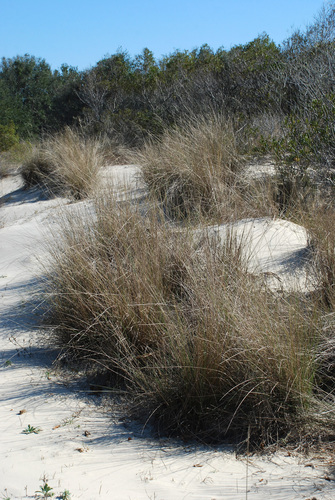
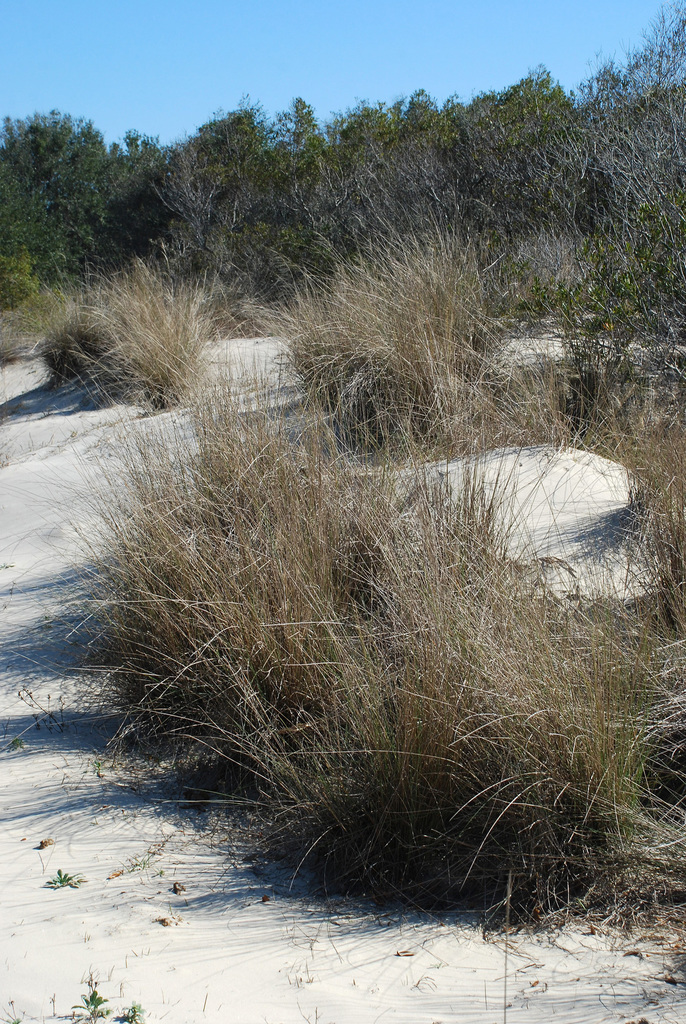
—observations
—countries
—peak records
Not EvaluatedConservation statusIUCN Red List categoriesLCNTVUENCREWEXNot Evaluated — not placed on the risk ladderRed List categories, explained →
Diet & preyPhotosynthetic
Predators
- White-tailed Deer
- Eastern Cottontail
ThreatsCoastal development, shoreline erosion, and invasive exotic plants
HabitatsCoastal sand dunes, maritime forest edges, and sandy pine flatwoods
Life spanPerennial (typically 5–15 years)
Classification
- FamilyPoaceae
- SpeciesMuhlenbergia sericea
Range data is not available yet.
Interaction riskLow
- Low
- Moderate
- High
- Very high
- Why interaction risk is low
- Safe to observe at a normal distance.
Responsible observation
- Peak Viewing: Look for the striking pink-purple haze of flowers from late September through November.
- Cultural Respect: Support local Gullah Geechee artisans who sustainably harvest its culms for historic basketry.
- Identification: Note the long, hair-like awns on the spikelets that distinguish it in coastal sands.
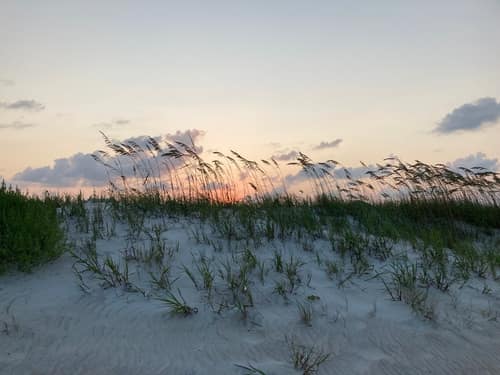
Dune Neighbor (c) Lauren Gillett, some rights reserved (CC BY), uploaded by Lauren Gillett · cc-by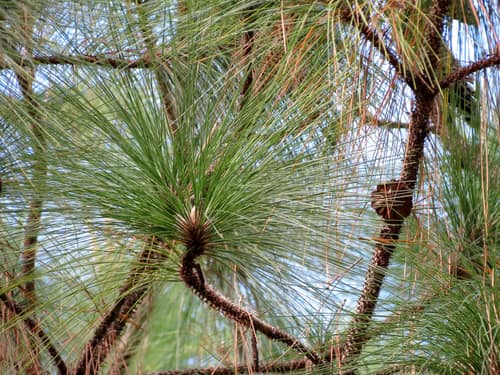
Frequent Companion (c) Katja Schulz, some rights reserved (CC BY) · cc-by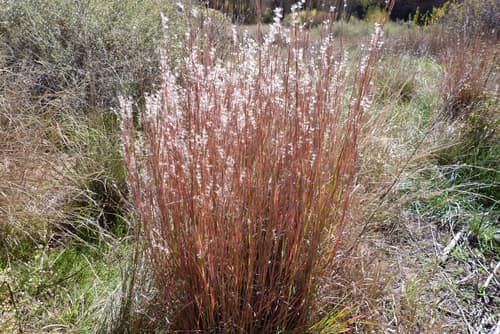
Co-occurring Grass (c) Colin Meurk, some rights reserved (CC BY-SA), uploaded by Colin Meurk · cc-by-sa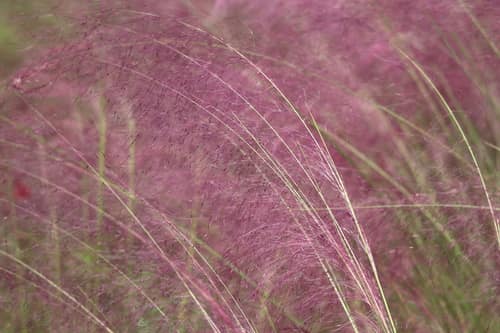
Close Relative (c) Lauren McLaurin, some rights reserved (CC BY), uploaded by Lauren McLaurin · cc-by
Help improve the field guideSomething wrong?
Checking your Fauna account…Report a name, category, or profile issue for review.