
Plant · GBIF taxon 4114066
Switch Cane
Arundinaria tectaAlso known as Switchcane, Small Cane
Switch cane forms dense woody thickets known as canebrakes along stream banks, wet flatwoods, and floodplains across the Southeastern United States. Unlike its taller relative giant cane, this native temperate bamboo spreads via specialized air-filled rhizomes that permit survival in saturated soils. These dense evergreen stands provide vital shelter for wetland birds and serve as host plants for several native butterfly species.
Native BambooPerennialWetland Plant
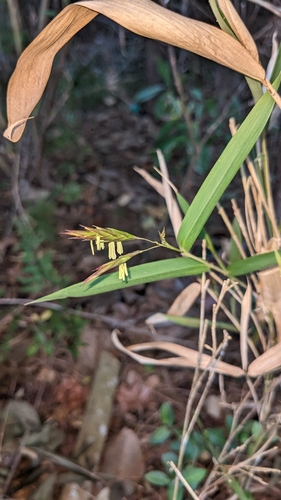
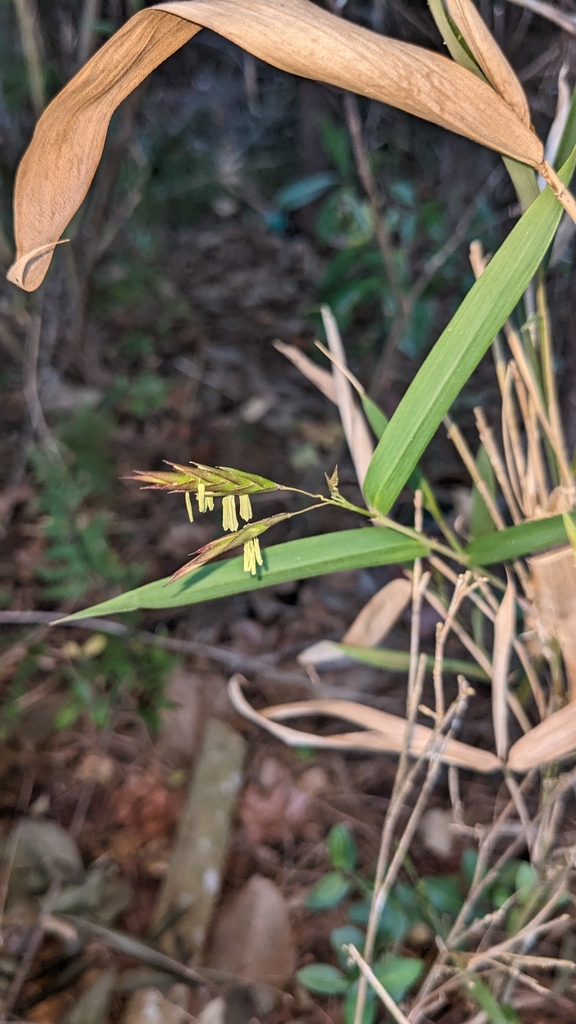
—observations
—countries
—peak records
Least ConcernConservation statusIUCN Red List categoriesLCNTVUENCREWEXLeast ConcernRed List categories, explained →
Diet & prey
- Sunlight
- Water
- Soil nutrients
Predators
- White-tailed deer
- Swamp rabbit
- Cane skipper caterpillars
ThreatsWetland drainage, fire suppression, land conversion
HabitatsSwamps, stream banks, wet pine flatwoods, floodplain forests
Life spanPerennial (rhizomes live decades; individual culms live 3–10 years)
Classification
- OrderPoales
- FamilyPoaceae
- GenusArundinaria
- SpeciesArundinaria tecta
Range data is not available yet.
Interaction riskLow
- Low
- Moderate
- High
- Very high
- Why interaction risk is low
- Safe to observe at a normal distance.
Responsible observation
- Habitat Spotting: Look for low bamboo thickets along swamp edges and damp ditch banks.
- Identification Cue: Examine underground rhizomes for air canals that distinguish it from giant cane.
- Wildlife Watching: Check leafy branches in spring for rare skipper butterfly caterpillars.
Frequent Companion (c) Sam Kieschnick, some rights reserved (CC BY) · cc-by Image unavailable
Host Plant User 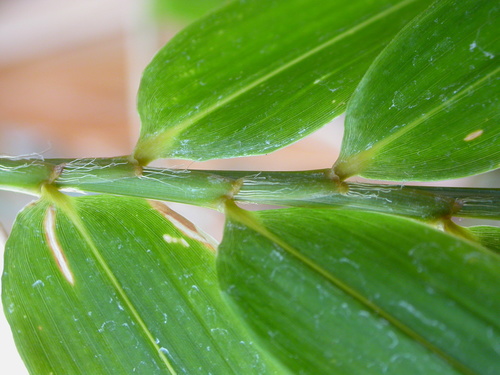
Close Relative (c) Matt Lavin, some rights reserved (CC BY-SA) · cc-by-saClose Relative
Help improve the field guideSomething wrong?
Checking your Fauna account…Report a name, category, or profile issue for review.