
Plant
Greater Duckweed
Spirodela polyrhizaAlso known as Common Duckmeat, Great Duckmeat, Giant Duckweed, Duckmeat
Greater duckweed blankets quiet freshwater ponds and slow-moving streams, forming emerald carpets that shade out submerged algae and moderate water temperatures. Each tiny, rounded frond floats freely on the surface, trailing a cluster of multiple roots beneath that absorb dissolved nutrients directly from the water column. As autumn temperatures drop, plants produce starch-rich overwintering buds called turions that sink to the sediment bed and resurface the following spring.
AquaticFloatingFast-Growing
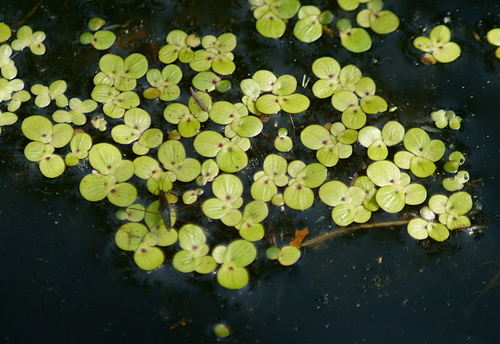
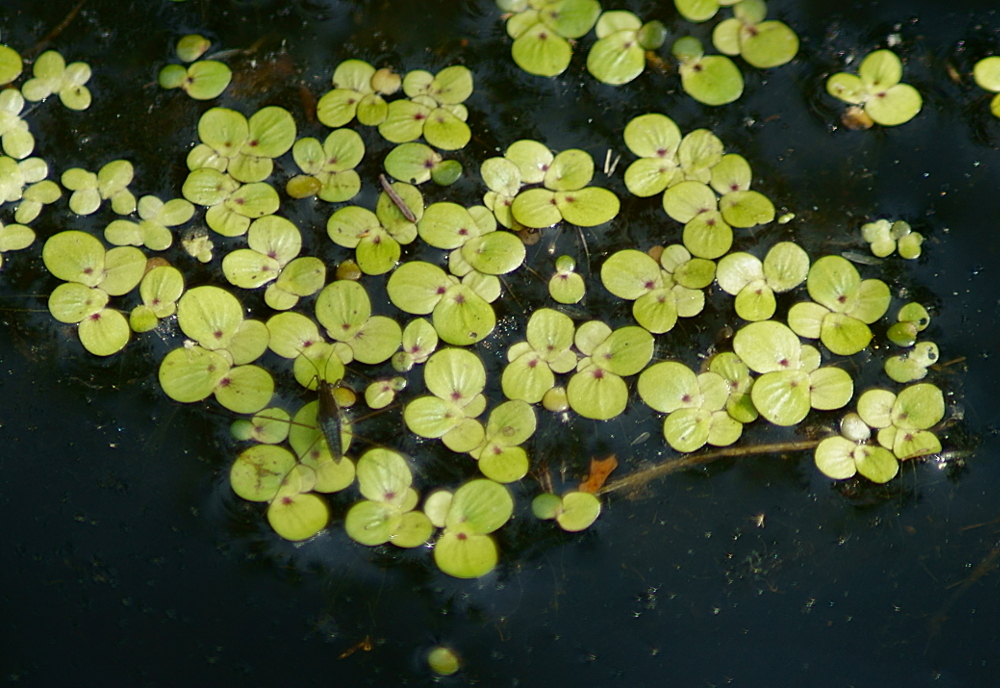
—observations
—countries
—peak records
Least ConcernConservation statusIUCN Red List categoriesLCNTVUENCREWEXLeast ConcernRed List categories, explained →
Diet & preyPhotosynthetic (absorbs dissolved minerals via roots and fronds)
Predators
- Mallard
- Grass Carp
- Canada Goose
ThreatsSevere water contamination, herbicide runoff, and physical drainage of wetlands
HabitatsPonds, marshes, oxbow lakes, canals, and slow-moving streams
Life spanIndividual fronds live several weeks; colonies persist indefinitely via vegetative cloning
Classification
- OrderAlismatales
- FamilyAraceae
- GenusSpirodela
- SpeciesSpirodela polyrhiza
Range data is not available yet.
Interaction riskLow
- Low
- Moderate
- High
- Very high
- Why interaction risk is low
- Safe to observe at a normal distance.
Responsible observation
- Root Inspection: Lift a floating frond gently to count the roots, which distinguish it from single-rooted Lemna species.
- Underside Check: Look for a deep reddish-purple hue on the underside of mature fronds, a reliable field marker.
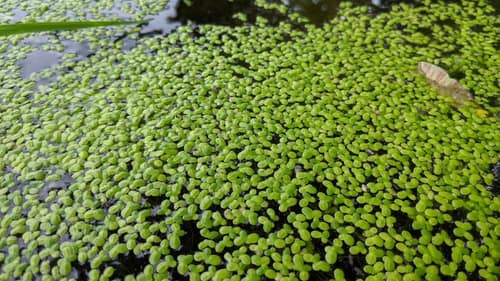
Close Relative no rights reserved, uploaded by Philipp · cc0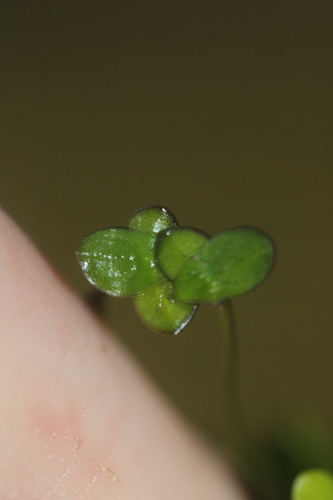
Close Relative (c) Joe Dillon, some rights reserved (CC BY), uploaded by Joe Dillon · cc-by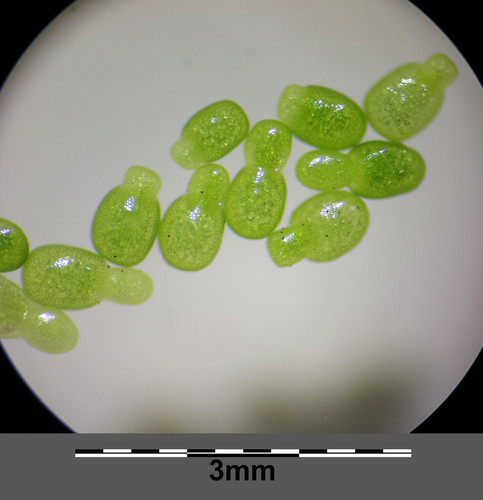
Same Family (c) Stefan.lefnaer, some rights reserved (CC BY-SA) · cc-by-sa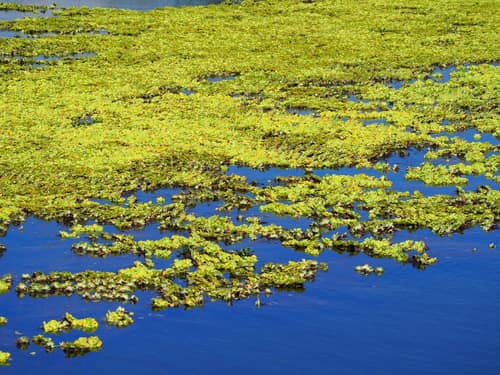
Same Family no rights reserved, uploaded by 葉子 · cc0
Help improve the field guideSomething wrong?
Checking your Fauna account…Report a name, category, or profile issue for review.