
Plant · GBIF taxon 4089594
Swamp Sea-lavender
Limonium narbonenseAlso known as Narbonne Sea Lavender, Mediterranean Sea Lavender
Swamp sea-lavender thrives in the harsh, high-salinity soils of Mediterranean and Atlantic salt marshes, forming expansive floral carpets during the dry heat of late summer. Its leathery, basal foliage is equipped with specialized salt glands that actively excrete excess mineral ions, leaving visible crystalline crusts on the leaf undersides. Dense sprays of papery lavender-blue blossoms attract a bustling array of coastal hoverflies, native bees, and small butterflies across intertidal mudflats.
HalophyteWildflowerSalt Marsh
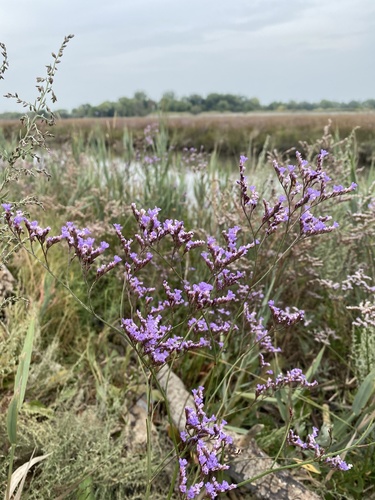
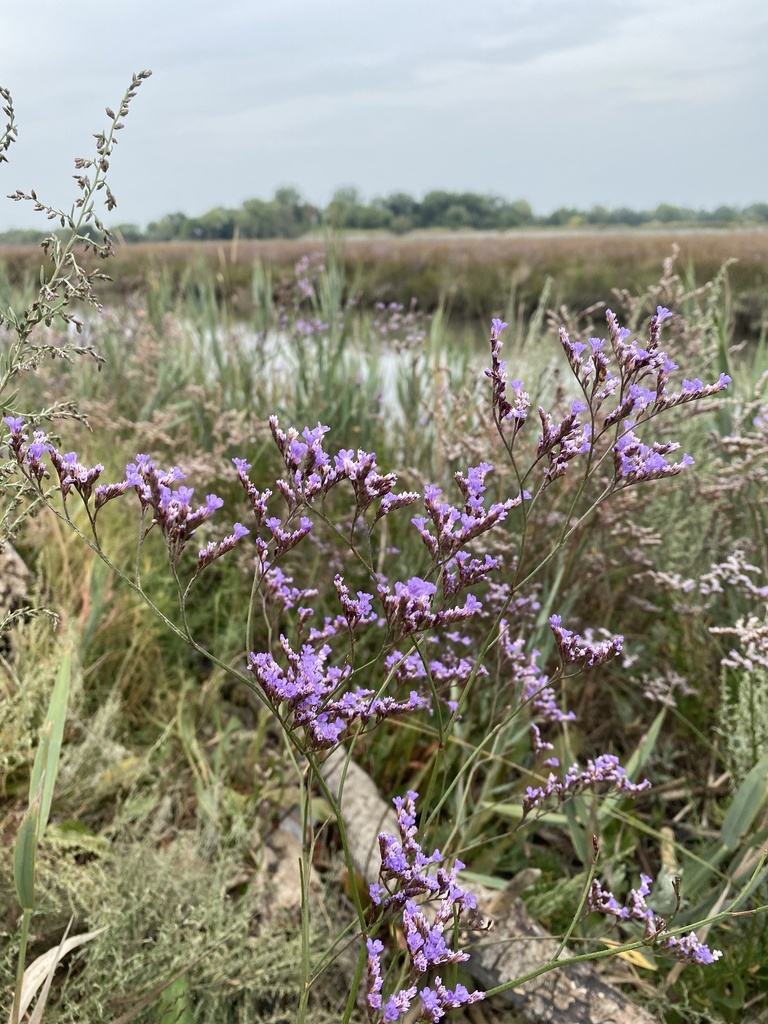
—observations
—countries
—peak records
Least ConcernConservation statusIUCN Red List categoriesLCNTVUENCREWEXLeast ConcernRed List categories, explained →
Diet & prey
- Autotrophic (photosynthesis)
Predators
- Coastal marsh caterpillars
- Grazing sheep
ThreatsCoastal development, wetland drainage, and altered tidal hydrology
HabitatsCoastal salt marshes, saline mudflats, and brackish estuaries
Life span5–10 years
Size / weightNot available
Classification
- FamilyPlumbaginaceae
- SpeciesLimonium narbonense
Range data is not available yet.
Interaction riskLow
- Low
- Moderate
- High
- Very high
- Why interaction risk is low
- Safe to observe at a normal distance.
Responsible observation
- Observation Timing: Visit coastal marshes between July and October to witness peak flowering displays.
- Footwear Caution: Stick to boardwalks and established tracks to avoid damaging fragile marsh soils and plant roots.
- Identification Clue: Look closely at the leaf undersides on sunny days to spot glittering excreted salt crystals.
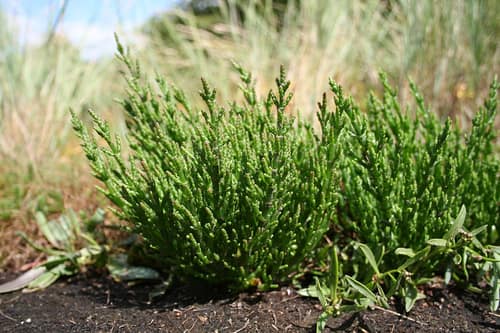
Neighbor Marco Schmidt [1] / CC BY-SA 2.5 · cc-by-sa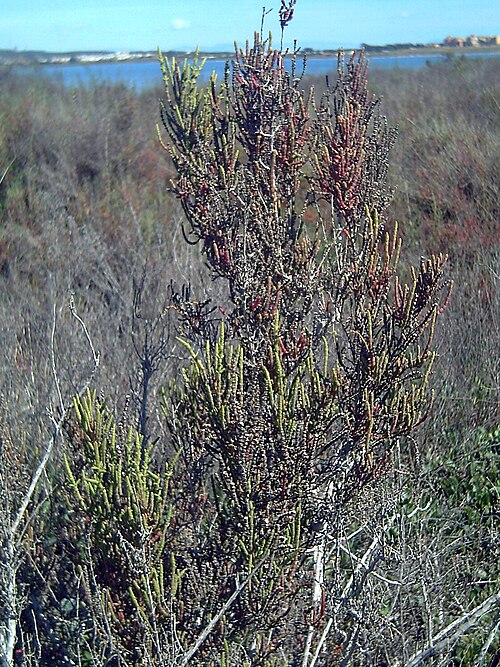
Neighbor Javier martin / Public domain · cc0
Frequent Companion (c) Joost J. Bakker IJmuiden, some rights reserved (CC BY) · cc-by
Close Relative Meneerke bloem / CC BY-SA 3.0 · cc-by-sa
Help improve the field guideSomething wrong?
Checking your Fauna account…Report a name, category, or profile issue for review.