
Plant
Low Smartweed
Persicaria longisetaAlso known as Oriental Lady's Thumb, Bristly Lady's Thumb, Asiatic Smartweed, Long-bristled Smartweed
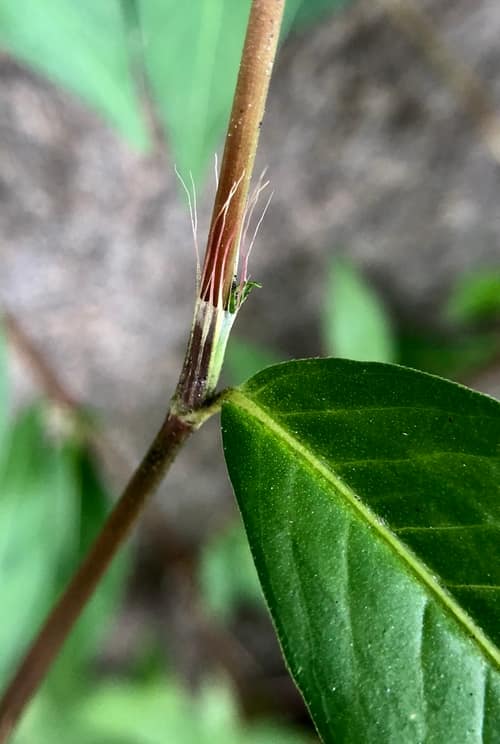
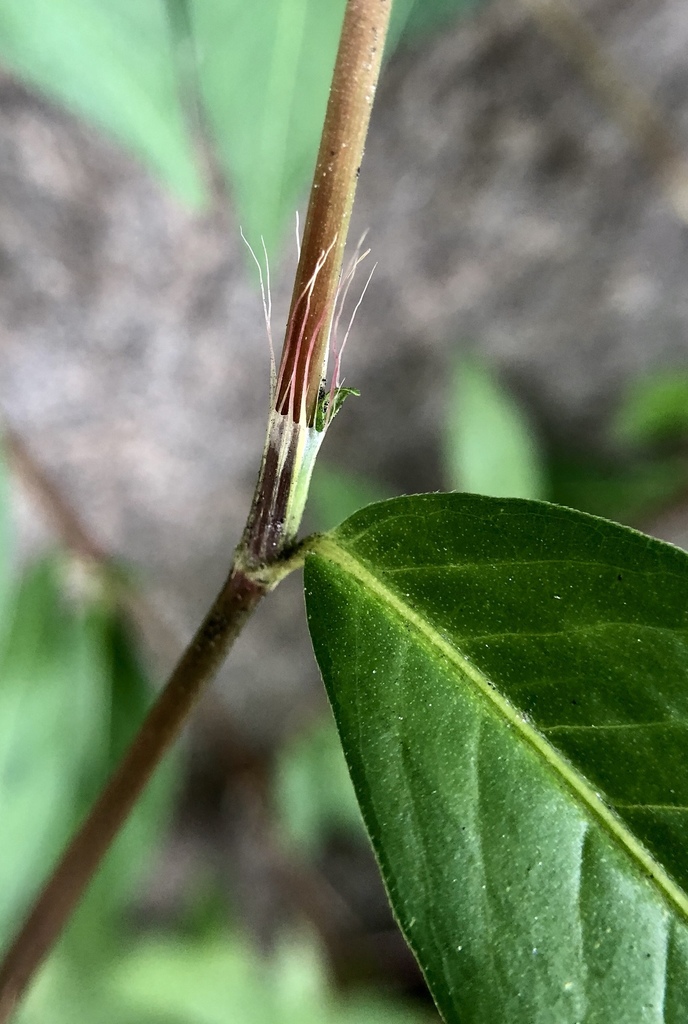
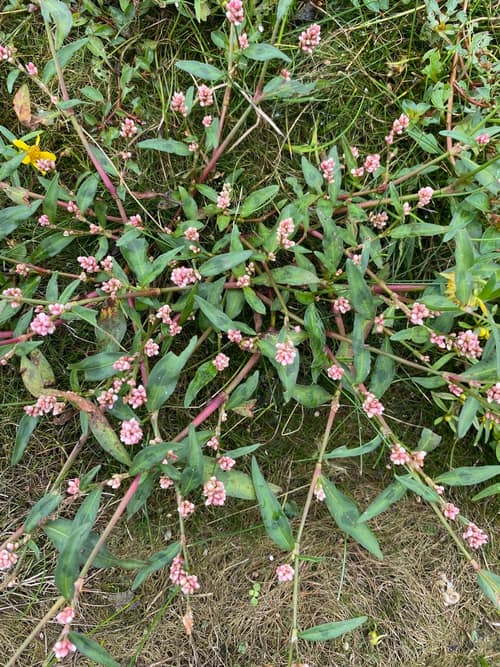
Low smartweed forms dense sprawling mats along woodland margins, damp garden beds, and urban waste areas, producing vibrant cylindrical spikes of deep pink to purple flowers from early summer into late autumn. It is easily distinguished from closely related knotweeds by the unusually long, stiff bristles that project from the fringes of the papery sheaths encircling each leaf node. Rapid seed production and high shade tolerance enable it to quickly carpet disturbed soils, often forming continuous understory layers.
HerbaceousFloweringIntroduced
—observations
—countries
—peak records
Not EvaluatedConservation statusIUCN Red List categoriesLCNTVUENCREWEXNot Evaluated — not placed on the risk ladderRed List categories, explained →
Diet & preyPhotoautotrophic
Predators
- Japanese Beetles
- Songbirds
- White-tailed Deer
ThreatsHerbicides, mechanical weeding, lawn mowing
HabitatsDisturbed soil, roadsides, damp woods, lawns, stream edges
Life spanAnnual
Classification
- OrderCaryophyllales
- FamilyPolygonaceae
- GenusPersicaria
- SpeciesPersicaria longiseta
Range data is not available yet.
Interaction riskLow
- Low
- Moderate
- High
- Very high
- Why interaction risk is low
- Safe to observe at a normal distance.
Responsible observation
- Identifying Sheaths: Use a hand lens to examine the ocrea at the leaf nodes, where long, stiff bristles confirm the ID.
- Disturbed Habitats: Look for sprawling colonies in shaded park edges, damp gravel paths, and vegetable gardens.
- Seasonal Timing: Search for vivid rose-pink flower spikes between midsummer and the first hard frost.
Close Relative no rights reserved, uploaded by Pam Martin · cc0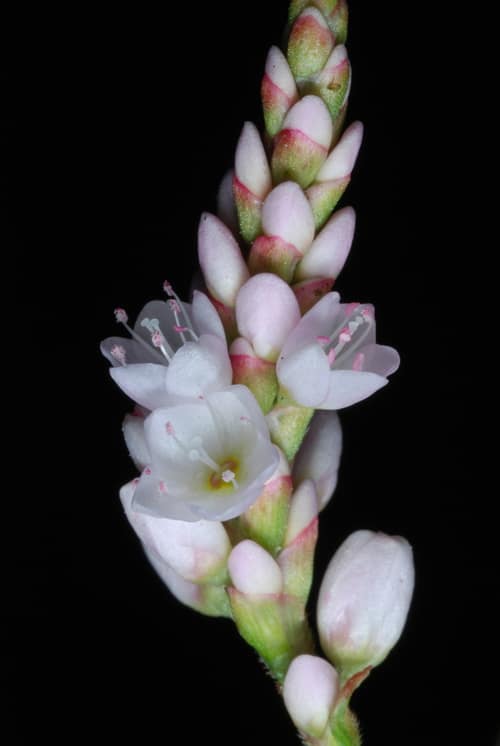
Close Relative (c) Douglas Goldman, some rights reserved (CC BY-SA), uploaded by Douglas Goldman · cc-by-sa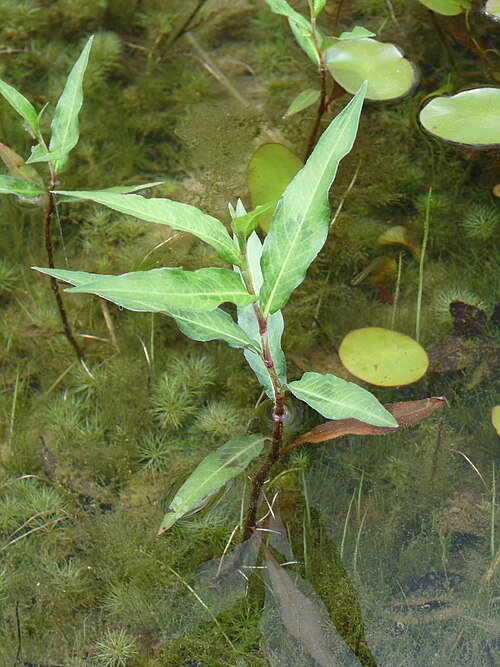
Close Relative Show_ryu / CC BY-SA 3.0 · cc-by-sa
Help improve the field guideSomething wrong?
Checking your Fauna account…Report a name, category, or profile issue for review.