
Flower
Himalayan Bistort
Bistorta affinisAlso known as Fleece Flower, Knotweed
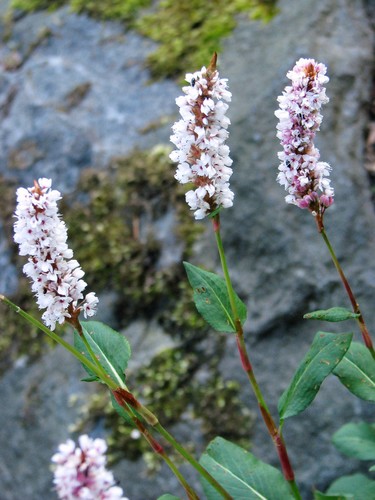
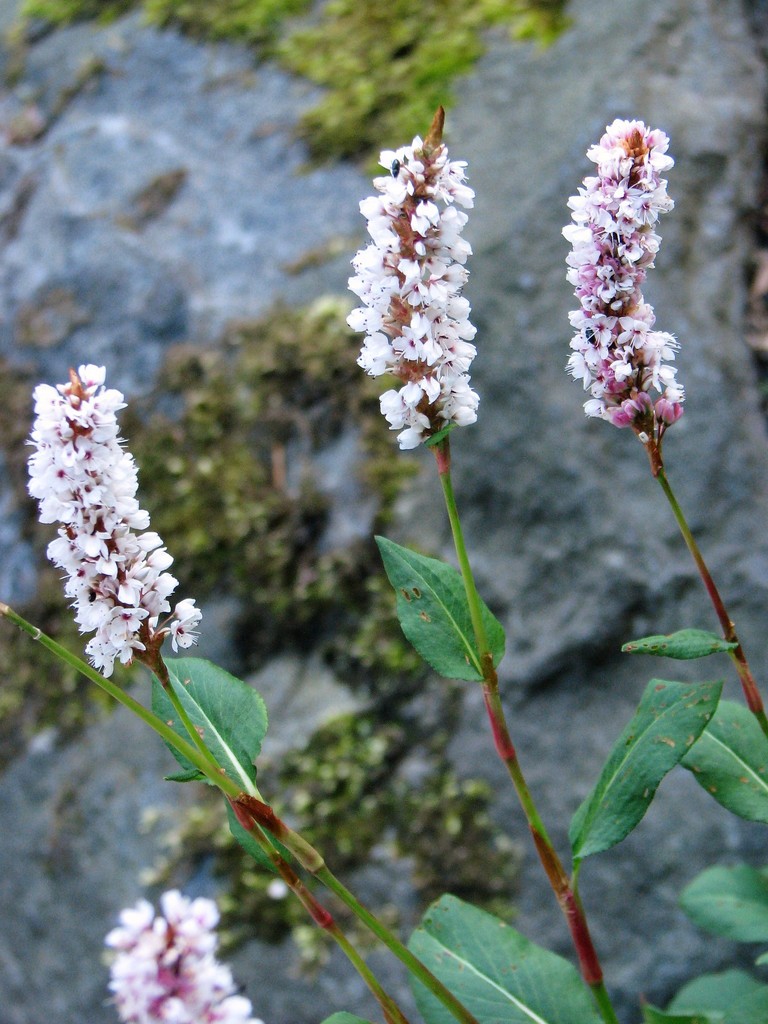
Himalayan bistort carpets subalpine meadows and rocky Himalayan screes with low, dense mats of leathery foliage. Compact spikes of pale pink flowers emerge by midsummer and gradually darken to deep crimson or rose as they mature. In autumn, the narrow green leaves turn russet-bronze, providing resilient soil cover across exposed high-altitude terrain.
AlpineGroundcoverPerennial
—observations
—countries
—peak records
Not EvaluatedConservation statusIUCN Red List categoriesLCNTVUENCREWEXNot Evaluated — not placed on the risk ladderRed List categories, explained →
Diet & preyPhotosynthetic (autotroph)
Predators
- Himalayan Marmot
- Alpine Musk Deer
- Domestic Yak
ThreatsOvergrazing, trail erosion, climate change
HabitatsAlpine meadows, rocky slopes, scree, open hillsides
Life spanPerennial (10–20+ years)
Classification
- OrderCaryophyllales
- FamilyPolygonaceae
- GenusBistorta
- SpeciesBistorta affinis
Range data is not available yet.
Interaction riskLow
- Low
- Moderate
- High
- Very high
- Why interaction risk is low
- Safe to observe at a normal distance.
Responsible observation
- Stay on Trails: Alpine root systems establish slowly and suffer lasting damage from trampling.
- Observe Color Changes: Watch for dual-toned spikes where older lower florets deepen to rich ruby red.
- Leave in Place: Wild specimens struggle to adapt outside their cold, high-elevation native conditions.
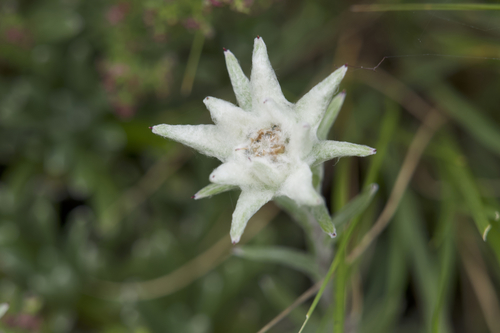
Frequent Companion (c) Dee Shea Himes, some rights reserved (CC BY), uploaded by Dee Shea Himes · cc-by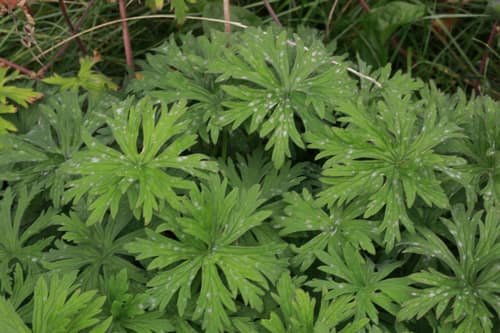
Neighbor no rights reserved, uploaded by Stephen James McWilliam · cc0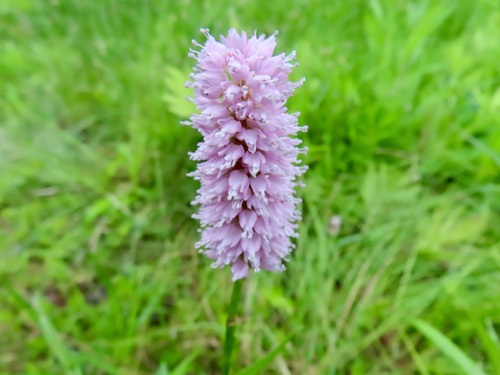
Close Relative no rights reserved · cc0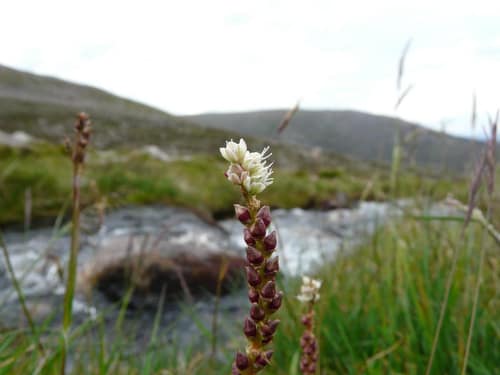
Close Relative (c) Alastair Rae, some rights reserved (CC BY-SA) · cc-by-sa
Help improve the field guideSomething wrong?
Checking your Fauna account…Report a name, category, or profile issue for review.