
Plant · GBIF taxon 4008563
Narrow-leaved Plantain-lily
Hosta lancifoliaAlso known as Narrow-leaved Hosta, Lanceleaf Plantain Lily, Lance-leaf Hosta
Narrow-leaved plantain-lilies form dense, arching mounds of slender, glossy foliage that thrive in deep shade where many other perennials struggle. In late summer to early autumn, tall slender scapes rise well above the leaves to display funnel-shaped, lavender-violet blossoms that attract bumblebees. While extensively naturalized and cultivated across temperate gardens, wild lineages originate along cool, moist woodland margins in Japan and the southern Russian Far East.
Shade-TolerantPerennialFlowering
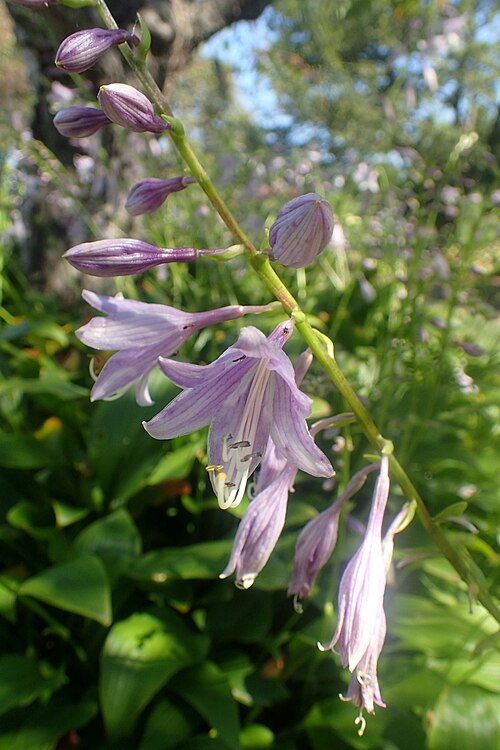
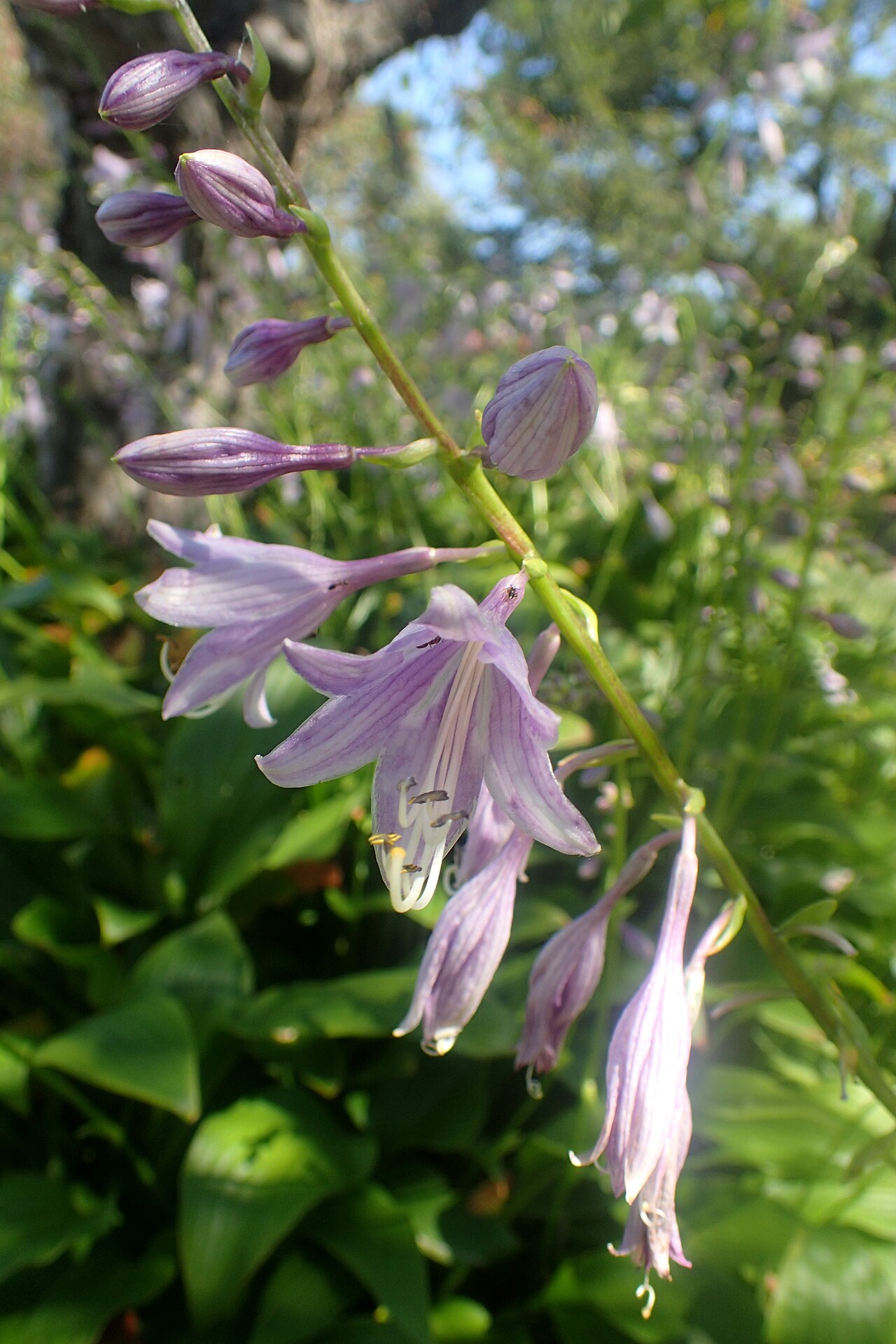
Licensed referenceKrzysztof Ziarnek, Kenraiz / CC BY-SA 4.0 · cc-by-sa
—observations
—countries
—peak records
Not EvaluatedConservation statusIUCN Red List categoriesLCNTVUENCREWEXNot Evaluated — not placed on the risk ladderRed List categories, explained →
Diet & prey
- Autotrophic (photosynthesis)
Predators
- White-tailed Deer
- Grey Garden Slug
- Garden Snail
ThreatsIntense herbivory by deer and mollusks, fungal crown rot
HabitatsMoist temperate woodlands, stream banks, and shaded gardens
Life span20–30+ years
Size / weightNot available
Classification
- OrderAsparagales
- FamilyAsparagaceae
- GenusHosta
- SpeciesHosta lancifolia
Range data is not available yet.
Interaction riskHigh
- Low
- Moderate
- High
- Very high
- Why interaction risk is high
- Toxic to dogs and cats if ingested; keep curious pets away.
- Why it is dangerous
- Contains saponins, which trigger vomiting, diarrhea, excessive drooling, and depression when chewed or swallowed by dogs and cats.
- How to recognize a risky encounter
- Recognized by narrow, spear-shaped leaves with distinct parallel veins, growing in dense mounds topped by pale violet floral spikes.
- What to do
- Grow out of reach of household pets, and consult a veterinarian immediately if a cat or dog ingests the foliage.
Responsible observation
- Lighting: Plant in partial to full shade to prevent delicate leaf tips from scorching in direct sun.
- Pest Deterrence: Use rough gravel mulches or copper tape to protect emerging spring shoots from hungry slugs.
- Clump Division: Divide root crowns in early spring just as conical leaf eyes poke through the soil.
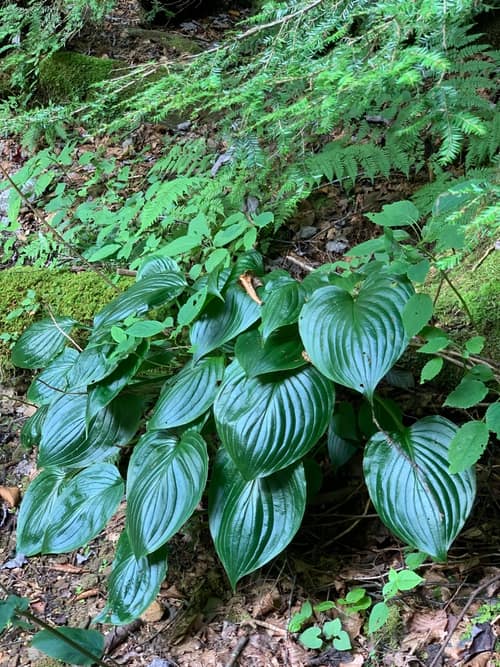
Same Genus (c) Sara Patton, some rights reserved (CC BY) · cc-by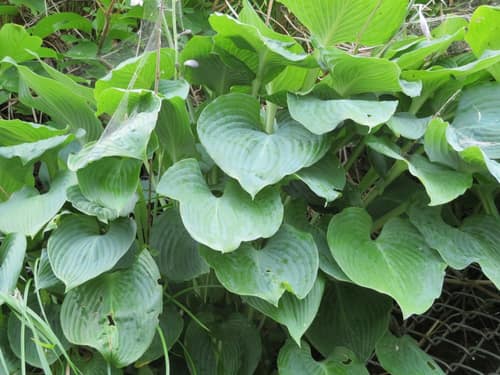
Same Genus (c) Marco Mussita, some rights reserved (CC BY), uploaded by Marco Mussita · cc-by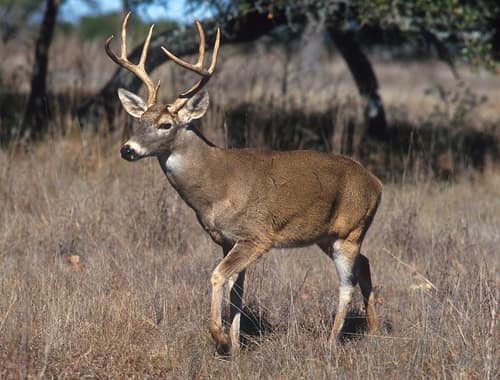
Herbivore USDA photo by Scott Bauer / Public domain · cc0
Help improve the field guideSomething wrong?
Checking your Fauna account…Report a name, category, or profile issue for review.