
Plant · GBIF taxon 3988970
Lagerstroemia fauriei
Lagerstroemia faurieiAlso known as Japanese Crepe Myrtle, Japanese Crape Myrtle, Yakushima Crepe Myrtle
Japanese crepe myrtles stand out among temperate flowering trees for their smooth, polished cinnamon-brown bark that exfoliates in thin strips to expose creamy underbark beneath. In midsummer, terminal panicles of crisp white blooms blanket the canopy, attracting bees and butterflies until autumn transforms the leaves to vivid orange and red. Native to the damp forests of Yakushima, Japan, this hardy tree supplied crucial powdery-mildew resistance to modern horticultural hybrids worldwide.
Peeling BarkDeciduousFlowering Tree
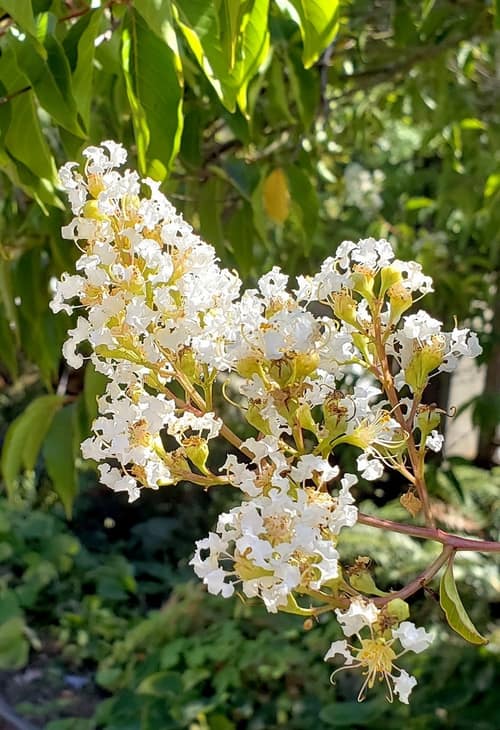
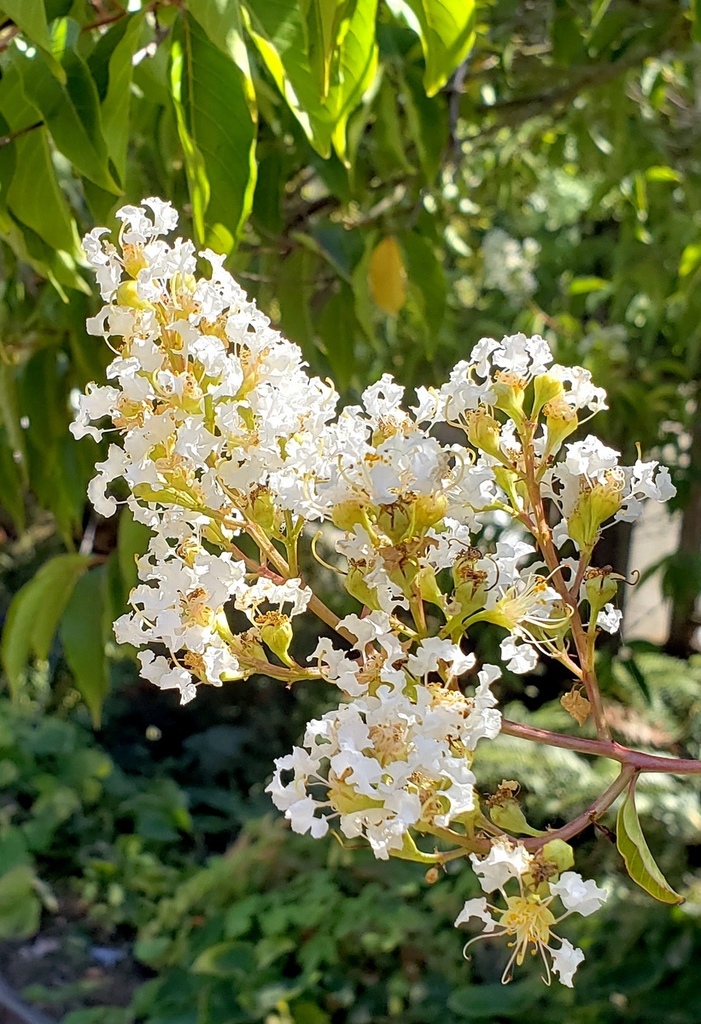
Licensed reference(c) Wendy Cutler, some rights reserved (CC BY-SA) · cc-by-sa
—observations
—countries
—peak records
Not EvaluatedConservation statusIUCN Red List categoriesLCNTVUENCREWEXNot Evaluated — not placed on the risk ladderRed List categories, explained →
Diet & prey
- Sunlight
- Water
- Soil Nutrients
Predators
- Crape Myrtle Bark Scale
- Japanese Beetle
- Glassy-Winged Sharpshooter
ThreatsHabitat fragmentation in native range and invasive insect pests
HabitatsSubtropical mountain forests, river valleys, and cultivated landscapes
Life span50 to 150 years
Size / weightNot available
Classification
- FamilyLythraceae
- SpeciesLagerstroemia fauriei
Range data is not available yet.
Interaction riskLow
- Low
- Moderate
- High
- Very high
- Why interaction risk is low
- Safe to observe at a normal distance.
Responsible observation
- Bark Care: Observe the satiny, shedding bark without stripping it manually to preserve trunk health.
- Landscaping Use: Plant in full sun for optimal flowering and rich autumn foliage color.
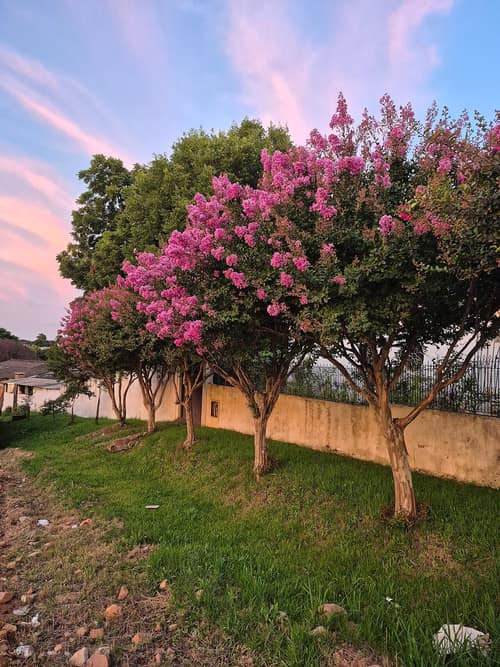
Close Relative Gabriel Collares / CC BY 4.0 · cc-by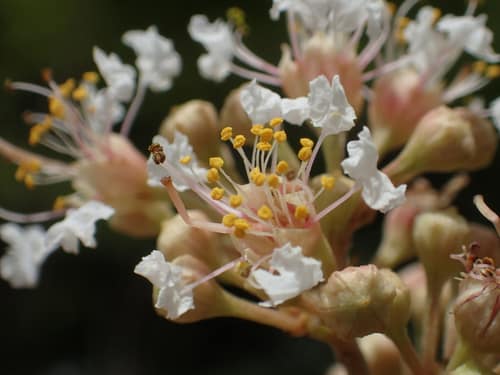
Close Relative no rights reserved, uploaded by 葉子 · cc0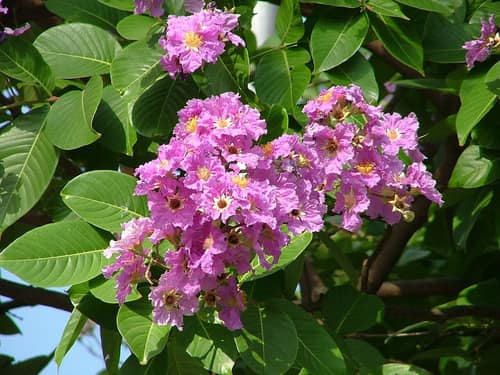
Close Relative The original uploader was Lokenrc at English Wikipedia. / CC BY 2.5 · cc-by
Help improve the field guideSomething wrong?
Checking your Fauna account…Report a name, category, or profile issue for review.