
Plant
Sweet Thorn
Vachellia karrooAlso known as Karoo Thorn, Cape Gum, Cockspur Thorn, Common Acacia
Sweet thorn transforms arid southern African landscapes during early summer with profuse, honey-scented golden flower puffs that attract swarms of insect pollinators. Paired white spines protect its protein-rich leaves from heavy browsing, while deep taproots seek groundwater in drought-prone soils. The tree fixes atmospheric nitrogen through root nodules, enriching poor soils and acting as a pioneer nurse plant across degraded veld.
DeciduousNitrogen-FixingFlowering
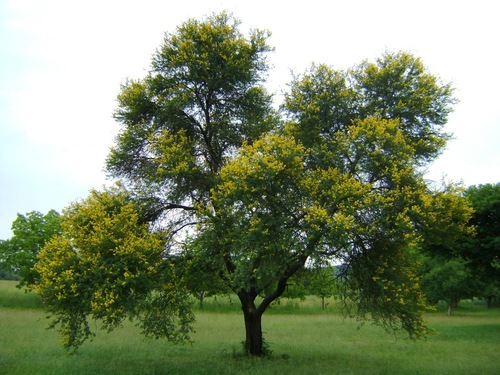
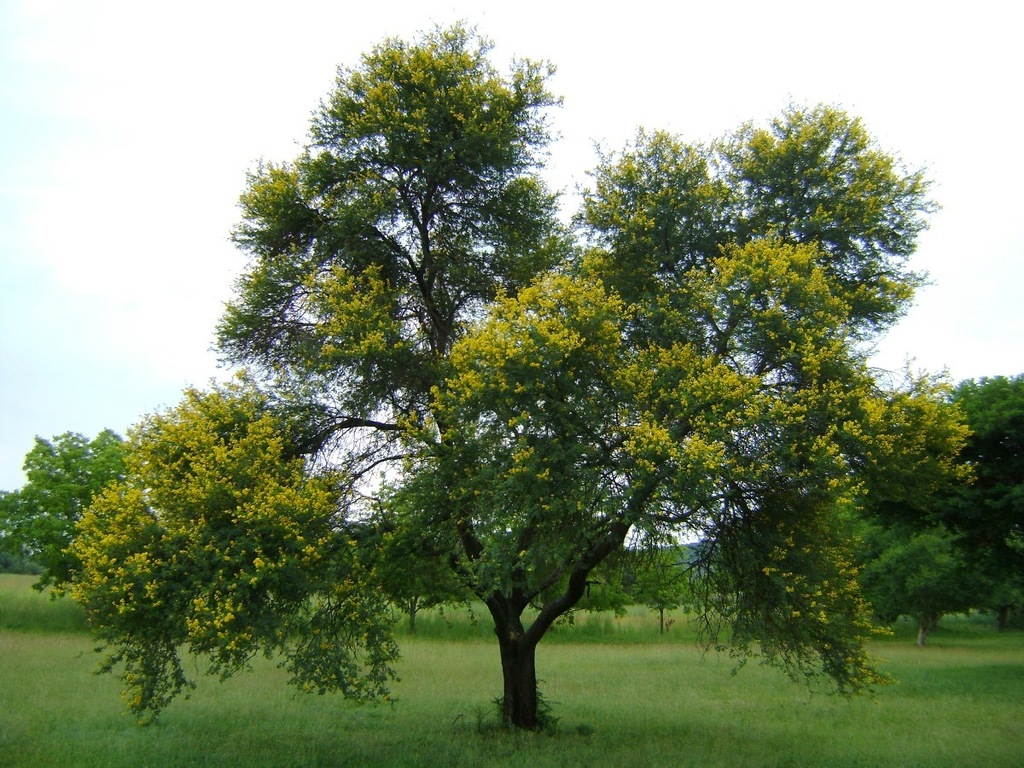
—observations
—countries
—peak records
Least ConcernConservation statusIUCN Red List categoriesLCNTVUENCREWEXLeast ConcernRed List categories, explained →
Diet & preyAutotrophic (photosynthesis)
Predators
- Giraffe
- Greater Kudu
- African Elephant
ThreatsBush encroachment clearing, habitat alteration, and overbrowsing
HabitatsSavannas, woodlands, grasslands, riverbanks, and arid scrublands
Life span30–40 years
Classification
- OrderFabales
- FamilyFabaceae
- GenusVachellia
- SpeciesVachellia karroo
Range data is not available yet.
Interaction riskLow
- Low
- Moderate
- High
- Very high
- Why interaction risk is low
- Safe to observe at a normal distance; watch out for long, sharp pairs of thorns.
Responsible observation
- Thorn Awareness: Mind the long, straight pairs of white spines when walking near low branches.
- Pollinator Watching: Inspect blooming branches in early summer to spot hundreds of visiting insects.

Herbivore Thomas Fuhrmann / CC BY-SA 4.0 · cc-by-sa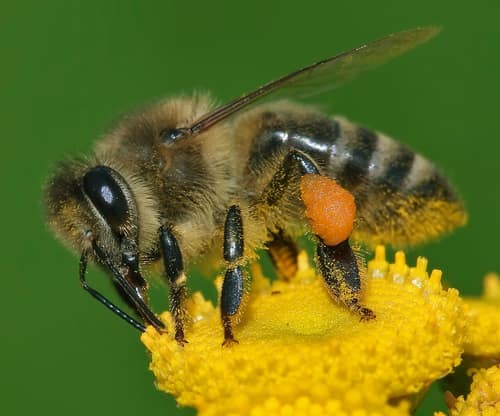
Pollinator Andreas Trepte / CC BY-SA 2.5 · cc-by-sa
Close Relative (c) Rabah Al-Shammary, some rights reserved (CC BY), uploaded by Rabah Al-Shammary · cc-by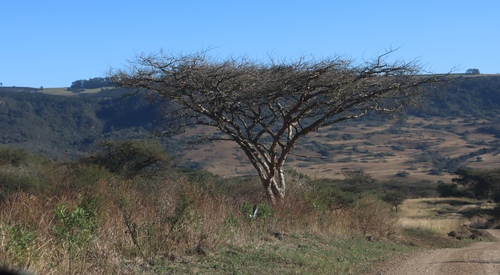
Close Relative (c) Tony Rebelo, some rights reserved (CC BY-SA) · cc-by-sa Image unavailable
Same Family
Help improve the field guideSomething wrong?
Checking your Fauna account…Report a name, category, or profile issue for review.