
Plant
Spinyhead Sida
Sida acutaAlso known as Common Wireweed, Broomweed, Morning Mallow, Wireweed
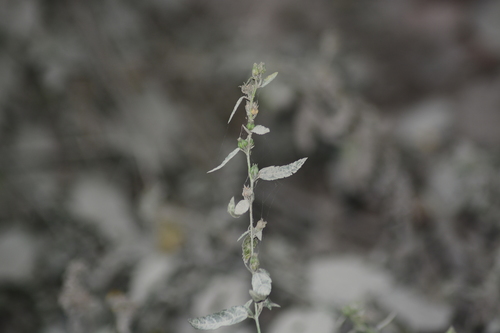
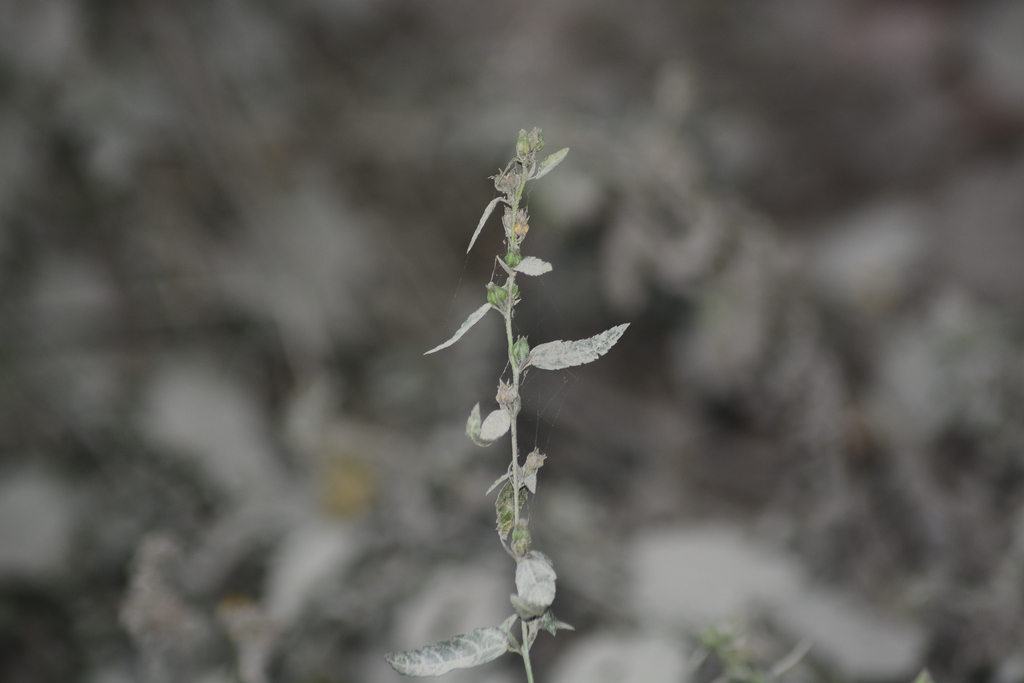
Spinyhead Sida grows as a tough, erect subshrub distinguished by lance-shaped serrated leaves and solitary yellow flowers that open exclusively during bright morning hours. A woody taproot anchors the plant deeply into degraded soils, enabling survival through prolonged dry spells and heavy grazing pressure. Widely naturalized across the global tropics, its fibrous stems have long provided durable material for hand-tied brooms.
PantropicalFloweringHerbaceous
—observations
—countries
—peak records
Not EvaluatedConservation statusIUCN Red List categoriesLCNTVUENCREWEXNot Evaluated — not placed on the risk ladderRed List categories, explained →
Diet & preyAutotrophic (photosynthetic)
Predators
- Sida leaf beetle (Calligrapha pantherina)
- Cotton aphid (Aphis gossypii)
- Mallow butterfly caterpillars
ThreatsHerbicidal control, mechanical clearing, and introduced biocontrol beetles
HabitatsRoadsides, pastures, open woodlands, and disturbed waste ground
Life span1–3 years
Classification
- OrderMalvales
- FamilyMalvaceae
- GenusSida
- SpeciesSida acuta
Range data is not available yet.
Interaction riskLow
- Low
- Moderate
- High
- Very high
- Why interaction risk is low
- Safe to observe at a normal distance.
Responsible observation
- Timing: Visit in the morning to see the short-lived yellow flowers in full bloom.
- Identification: Look closely at the leaf base for a pair of unequal, bristly stipules.
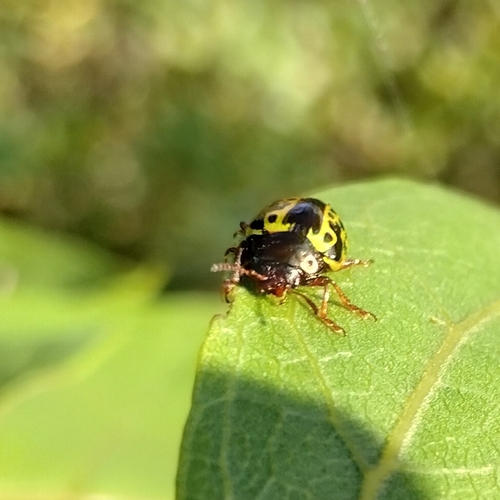
Predator (c) Karl Tattersall, some rights reserved (CC BY-SA) · cc-by-sa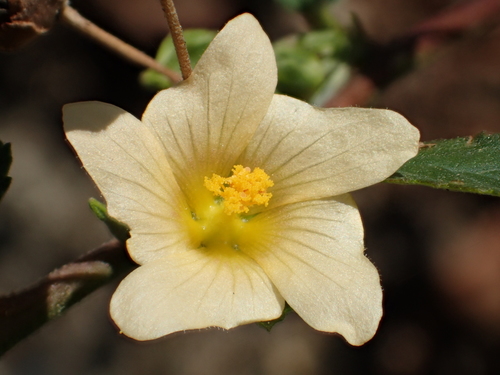
Close Relative no rights reserved, uploaded by 葉子 · cc0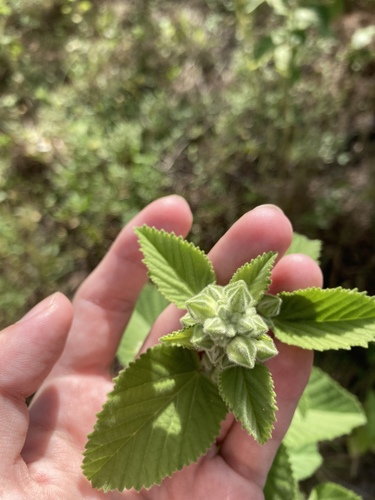
Close Relative no rights reserved · cc0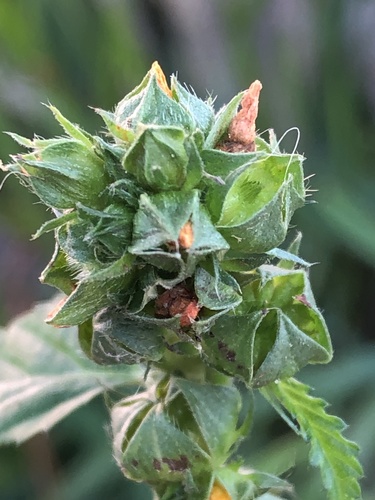
Family Member (c) Antonio W. Salas, some rights reserved (CC BY), uploaded by Antonio W. Salas · cc-by
Help improve the field guideSomething wrong?
Checking your Fauna account…Report a name, category, or profile issue for review.