Caucasian hellebores push their nodding, greenish-white flowers through late-winter snow across shaded mountain forests of the Caucasus and northeastern Turkey. Unlike most woodland perennials, their leathery, palmate leaves stay evergreen year-round, storing energy beneath the deciduous canopy before trees leaf out in spring. Early-emerging bumblebees rely on the cup-shaped blooms for vital nectar and pollen when few other flowers are open, while grazing mammals steer clear of the plant's potent chemical defenses.
Not EvaluatedConservation statusIUCN Red List categoriesLCNTVUENCREWEXNot Evaluated — not placed on the risk ladderRed List categories, explained →
Key facts
Diet & preySunlight, Water, Soil nutrients
Predators
Slugs
Snails
Aphids
ThreatsHabitat loss from logging and agriculture, and wild collection for horticulture
HabitatsDeciduous and mixed mountain forests, woodland edges, and shaded rocky slopes in the Caucasus region
Life spanPerennial, often living 10–20 years or more
Classification
FamilyRanunculaceae
SpeciesHelleborus caucasicus
Range & activity
Range data is not available yet.
Safe observation
Interaction riskHigh
Low
Moderate
High
Very high
Why interaction risk is high
All parts contain cardiac glycosides and irritating sap; wear gloves when handling and never ingest.
Why it is dangerous
Contains toxic cardiac glycosides such as hellebrin, along with protoanemonin, which cause severe gastrointestinal distress, cardiac arrhythmias, and blistering skin irritation.
How to recognize a risky encounter
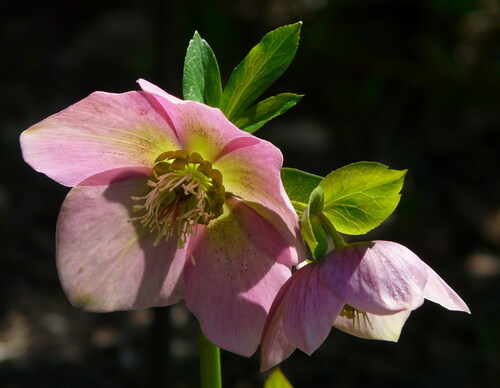
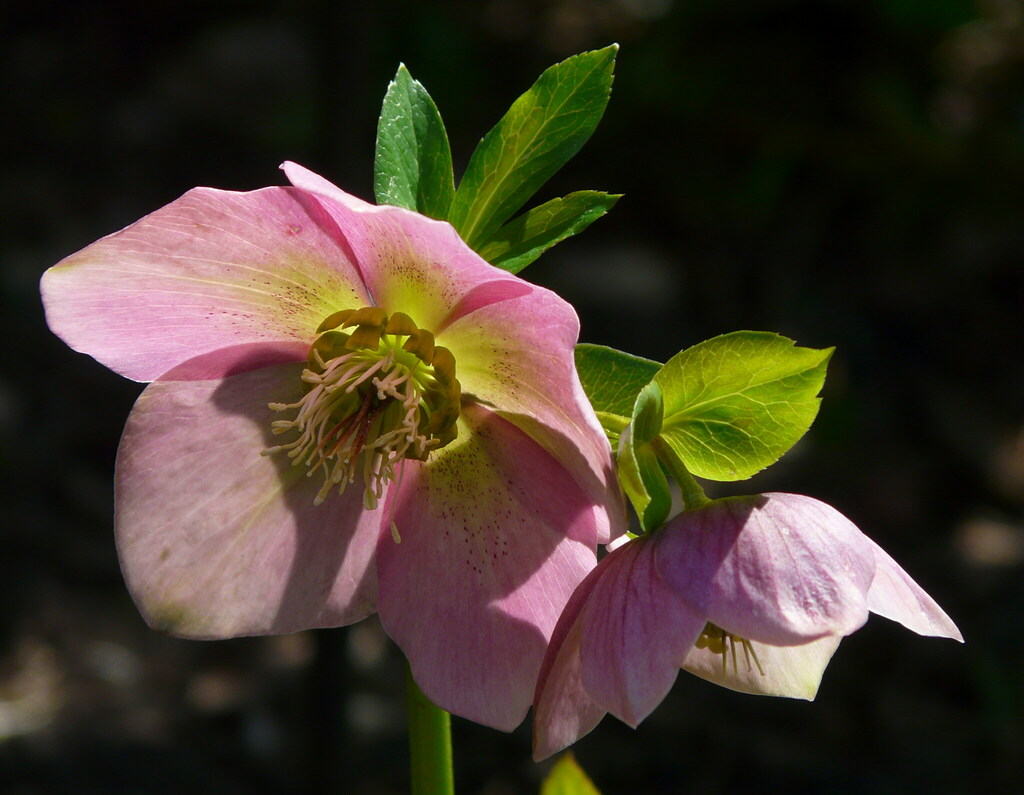
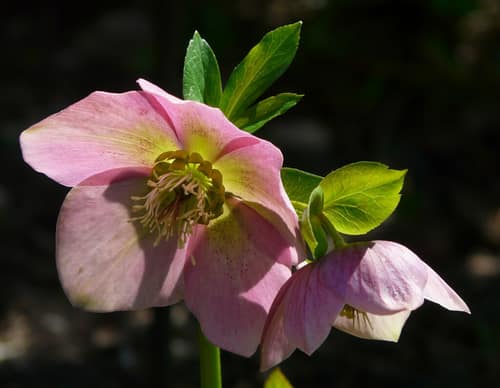
Recognize it by its leathery, palmate evergreen leaves with serrated margins and nodding, five-sepaled greenish-white to pale yellow cup-shaped flowers in late winter.
What to do
Wear gloves if pruning or handling damaged stems to avoid sap contact, and keep children and pets away from all plant parts.
Responsible observation
Timing: Look for nodding blooms emerging through late-winter snow between February and April.
Safety: Keep pets and children from chewing leaves or flowers, and wash hands after touching broken stems.
Observation: Gently tilt a flower upward with a stick or gloved finger to inspect its ring of tubular nectaries.