
Plant
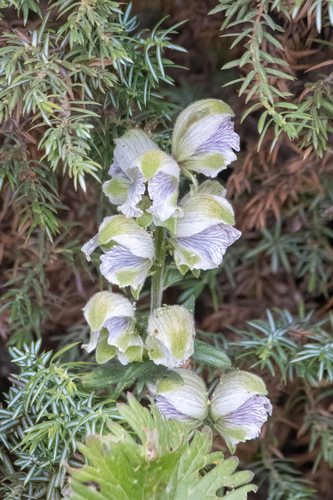
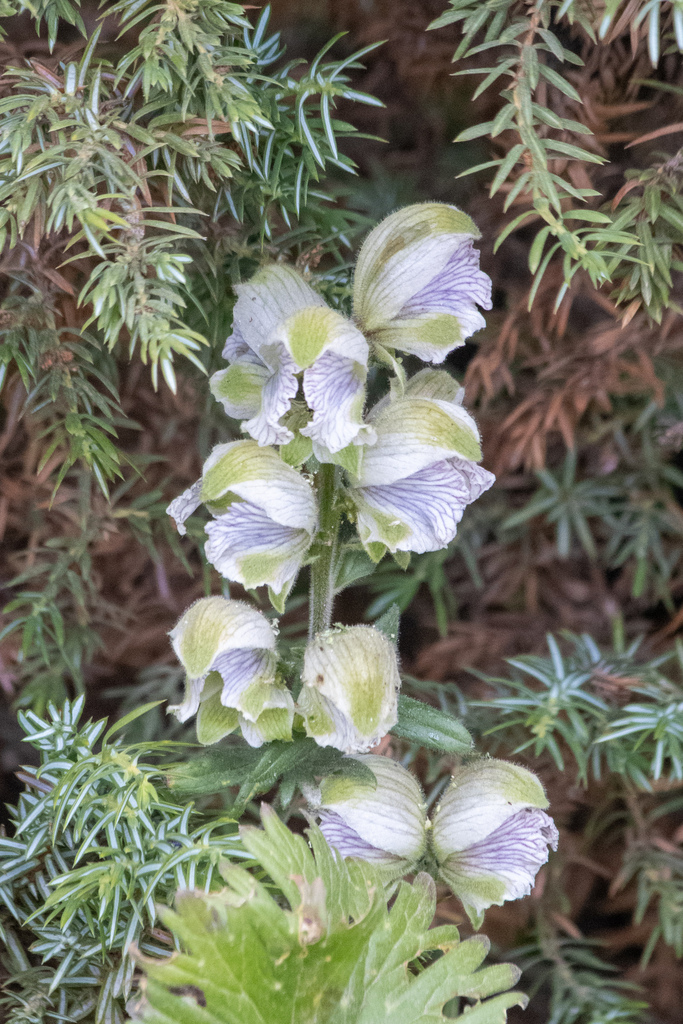
Roundleaf Monkshood
Aconitum rotundifoliumAlso known as Round-Leaved Monkshood, Roundleaf Wolfsbane, Central Asian Monkshood
Roundleaf monkshood crowns alpine scree slopes across Central Asia and the Himalayas with pale hooded blossoms and rounded, deeply cut foliage. These high-altitude perennials rely on specialized bumblebee pollinators capable of navigating their complex helmet-shaped flowers. Every part of the plant produces deadly aconitine alkaloids that protect it from mountain herbivores.
ToxicAlpineWildflower
—observations
—countries
—peak records
Not EvaluatedConservation statusIUCN Red List categoriesLCNTVUENCREWEXNot Evaluated — not placed on the risk ladderRed List categories, explained →
Diet & preySunlight, Water, Soil Nutrients
ThreatsOverharvesting for traditional remedies, climate warming
HabitatsAlpine meadows, stony slopes, subalpine shrublands
Life spanPerennial
Classification
- FamilyRanunculaceae
- SpeciesAconitum rotundifolium
Range data is not available yet.
Interaction riskHigh
- Low
- Moderate
- High
- Very high
- Why interaction risk is high
- Contains lethal aconitine alkaloids absorbed through skin or mouth; do not handle or consume.
- Why it is dangerous
- Contains aconitine alkaloids that cause severe neurotoxicity, cardiac arrhythmia, and fatal cardiac arrest.
- How to recognize a risky encounter
- Recognized by round, palmately divided basal leaves and helmet-shaped blue, purple, or whitish flowers.
- What to do
- Do not touch with bare hands, and keep children and pets at a safe distance.
Responsible observation
- Observation: Photograph the unusual hooded flowers from a respectful distance without picking or touching.
- Safety: Wear gloves if working near alpine vegetation to prevent accidental contact with plant sap.
- Habitat Awareness: Stick to established mountain trails to avoid disturbing fragile high-altitude soils.
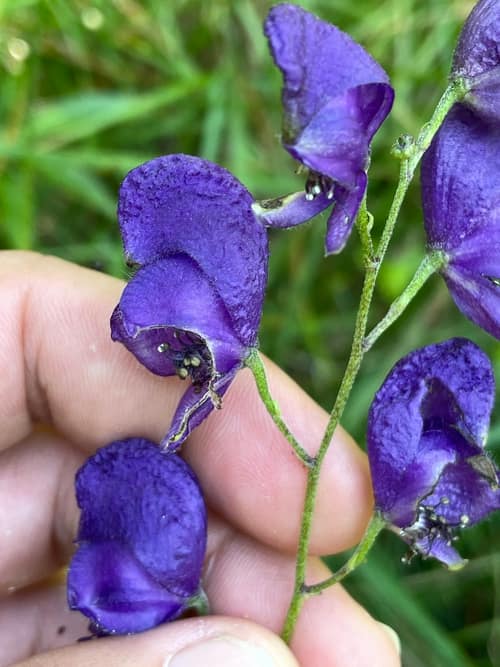
Close Relative (c) Thomas Ebner, some rights reserved (CC BY), uploaded by Thomas Ebner · cc-by Image unavailable
Close Relative 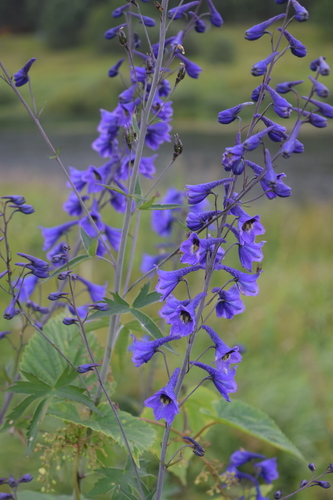
Family Relative (c) Natalya Ivanova, some rights reserved (CC BY), uploaded by Natalya Ivanova · cc-by
Help improve the field guideSomething wrong?
Checking your Fauna account…Report a name, category, or profile issue for review.