
Plant · GBIF taxon 3902859
Thyme-leaved Savory
Satureja thymbraAlso known as Savory of Crete, Whorled Savory, Pink Savory, Roman Hyssop
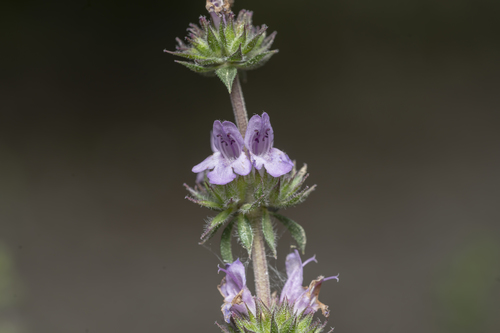
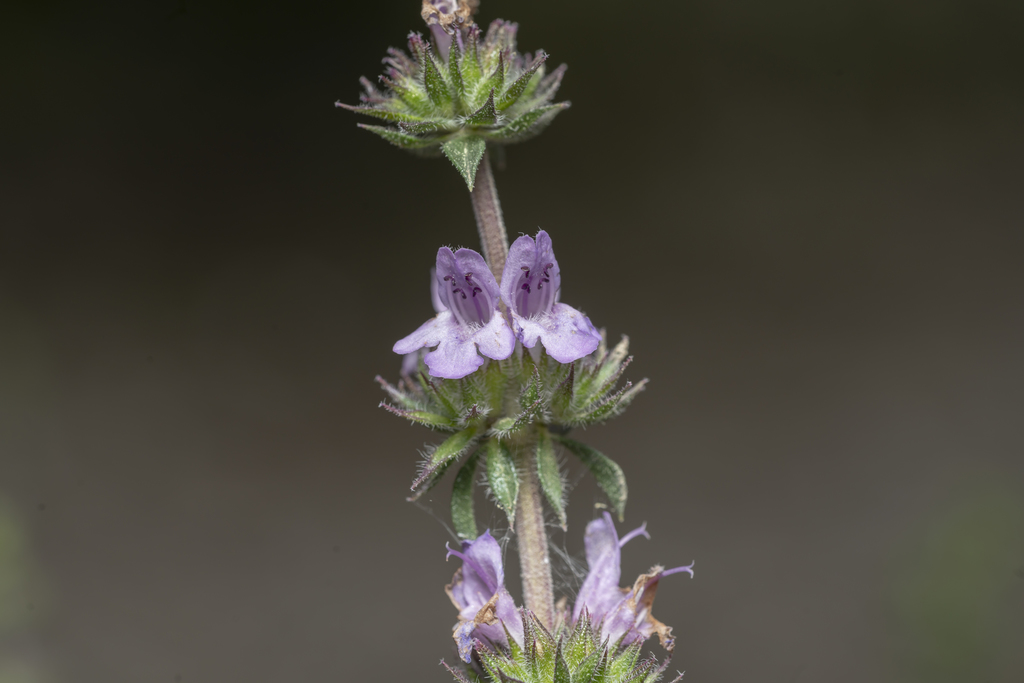
Thyme-leaved savory forms dense, aromatic cushions across sun-baked Mediterranean scrub and rocky limestone outcrops. Its gland-dotted foliage produces potent essential oils rich in carvacrol and thymol, deterring generalist herbivores and limiting transpiration during blistering summer droughts. From mid-spring through June, tight whorls of pink to purplish two-lipped blossoms cover the branch tips, attracting heavy traffic from native bees and other pollinators.
AromaticFloweringDrought-Tolerant
—observations
—countries
—peak records
Least ConcernConservation statusIUCN Red List categoriesLCNTVUENCREWEXLeast ConcernRed List categories, explained →
Diet & prey
- Autotrophic (photosynthesis)
Predators
- Feral goat
- Domestic sheep
ThreatsCoastal development, excessive wild harvesting, and intensive livestock grazing
HabitatsPhrygana, garrigue, dry limestone slopes, and coastal Mediterranean scrub
Life span5–15 years
Size / weightNot available
Classification
- OrderLamiales
- FamilyLamiaceae
- GenusSatureja
- SpeciesSatureja thymbra
Range data is not available yet.
Interaction riskLow
- Low
- Moderate
- High
- Very high
- Why interaction risk is low
- Safe to observe at a normal distance.
Responsible observation
- Foliage Aroma: Gently rub a leaf between two fingers to release its pungent, peppery herbal scent without snapping the woody stem.
- Flowering Observation: Look for tubular pink to lilac blooms clustered in dense leaf axils between March and June.
- Habitat Scouting: Search arid, exposed limestone ledges and coastal garrigue where low shrubs dominate the landscape.
 Image unavailable
Frequent Companion 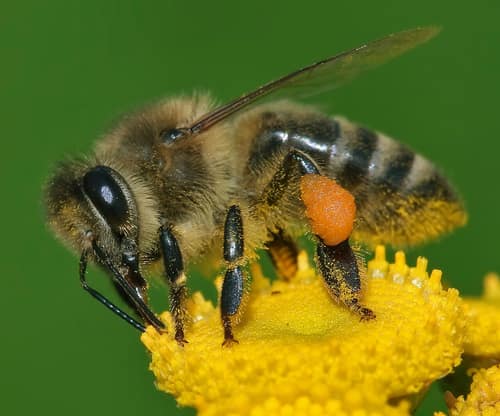
Pollinator Andreas Trepte / CC BY-SA 2.5 · cc-by-saClose Relative Close Relative
Help improve the field guideSomething wrong?
Checking your Fauna account…Report a name, category, or profile issue for review.