
Plant
Salvia hydrangea
Salvia hydrangeaAlso known as Gol-e-Arvaneh, Iranian Hydrangea Sage
Hydrangea sage stands out on arid Middle Eastern mountain slopes with its striking, paper-like pink to purplish bracts that encase smaller tubular flowers. These broad, overlapping bracts resemble the colorful flower heads of a hydrangea, creating a dramatic display during late spring and early summer. Adapted to dry, rocky soils, this perennial subshrub produces aromatic foliage typical of the mint family and serves as a key floral resource for native bees and butterflies.
AromaticMountain NativePink Bracts
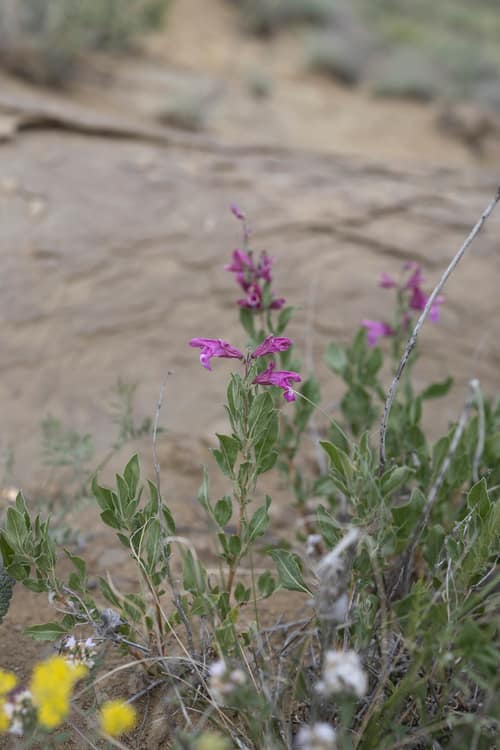
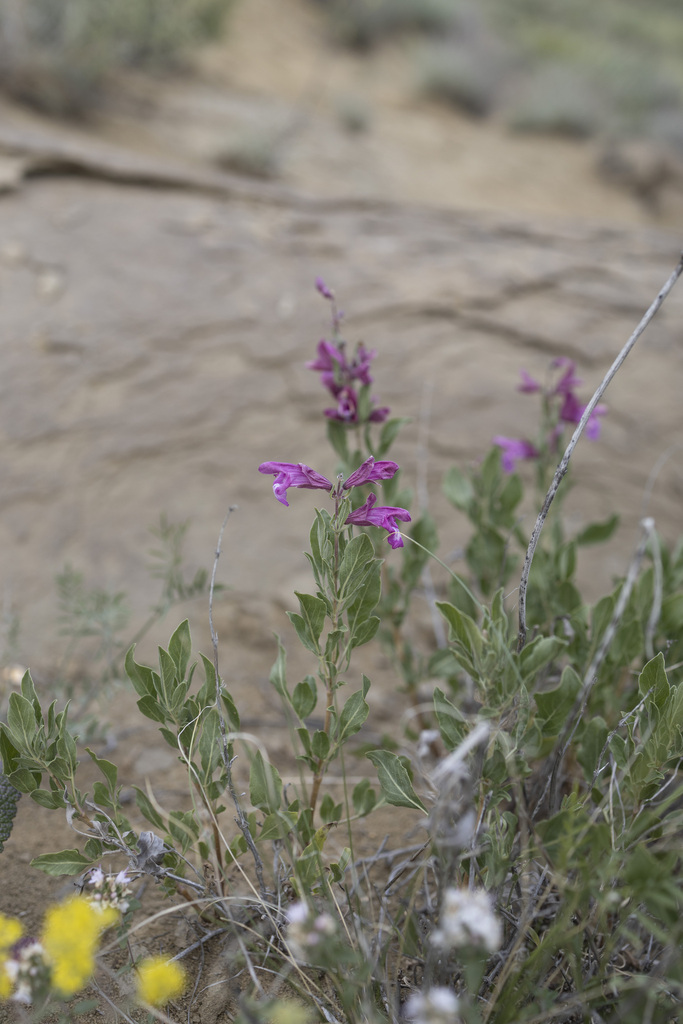
—observations
—countries
—peak records
Not EvaluatedConservation statusIUCN Red List categoriesLCNTVUENCREWEXNot Evaluated — not placed on the risk ladderRed List categories, explained →
Diet & preySunlight, Soil minerals, Water
Predators
- Grazing livestock
- Goats
- Herbivorous insects
ThreatsHabitat degradation, overgrazing by livestock, localized overharvesting
HabitatsDry rocky slopes, mountain steppes, subalpine scrublands
Life span10–20 years (Perennial)
Classification
- FamilyLamiaceae
- SpeciesSalvia hydrangea
Range data is not available yet.
Interaction riskLow
- Low
- Moderate
- High
- Very high
- Why interaction risk is low
- Safe to observe at a normal distance.
Responsible observation
- Observe the Bracts: Look closely at the papery pink structures to see the small tubular true flowers nested inside.
- Check for Pollinators: Watch for native bees and butterflies actively visiting the bright flower spikes in early summer.
- Enjoy the Aroma: Gently crush a detached leaf between your fingers to experience its distinct minty fragrance.
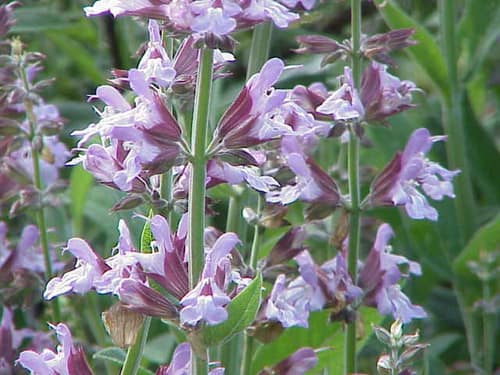
Close Relative Kurt Stüber [1] / CC BY-SA 3.0 · cc-by-sa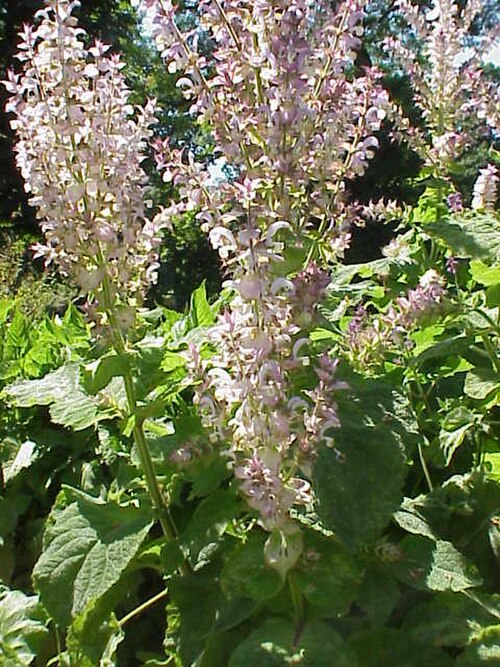
Close Relative Wikimedia Commons / CC BY-SA 3.0 · cc-by-sa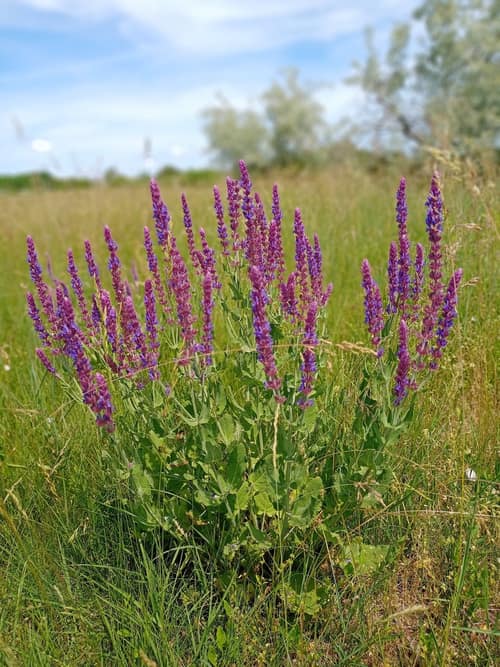
Close Relative (c) mnauky, some rights reserved (CC BY), uploaded by mnauky · cc-by
Help improve the field guideSomething wrong?
Checking your Fauna account…Report a name, category, or profile issue for review.