
Plant
Saint Helena Olive
Nesiota ellipticaEndemic to the misty volcanic ridges of Saint Helena, this small branching tree bore delicate pale pink flowers and leathery, dark green leaves adapted to cloud-forest moisture. Uncontrolled grazing by introduced goats, clearing for timber, and invasive non-native plants relentlessly reduced the wild population across centuries. Despite intensive horticultural rescue missions and propagation trials at Kew Gardens, extreme self-incompatibility and fungal infections sealed its fate when the final cultivated specimen died in December 2003.
Island EndemicTree
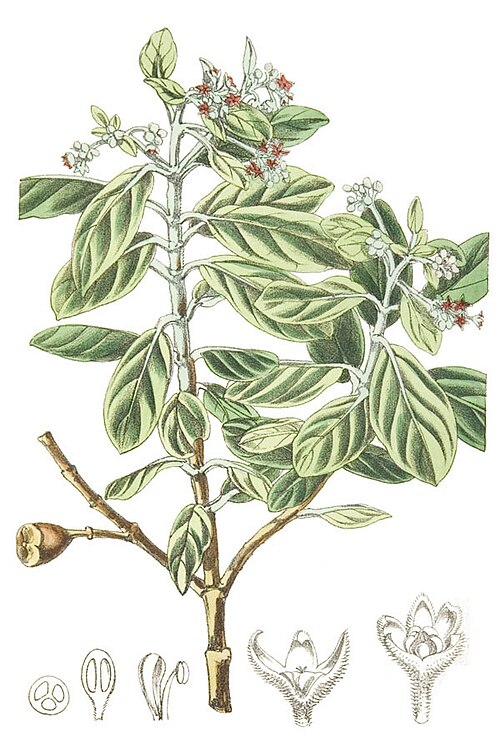
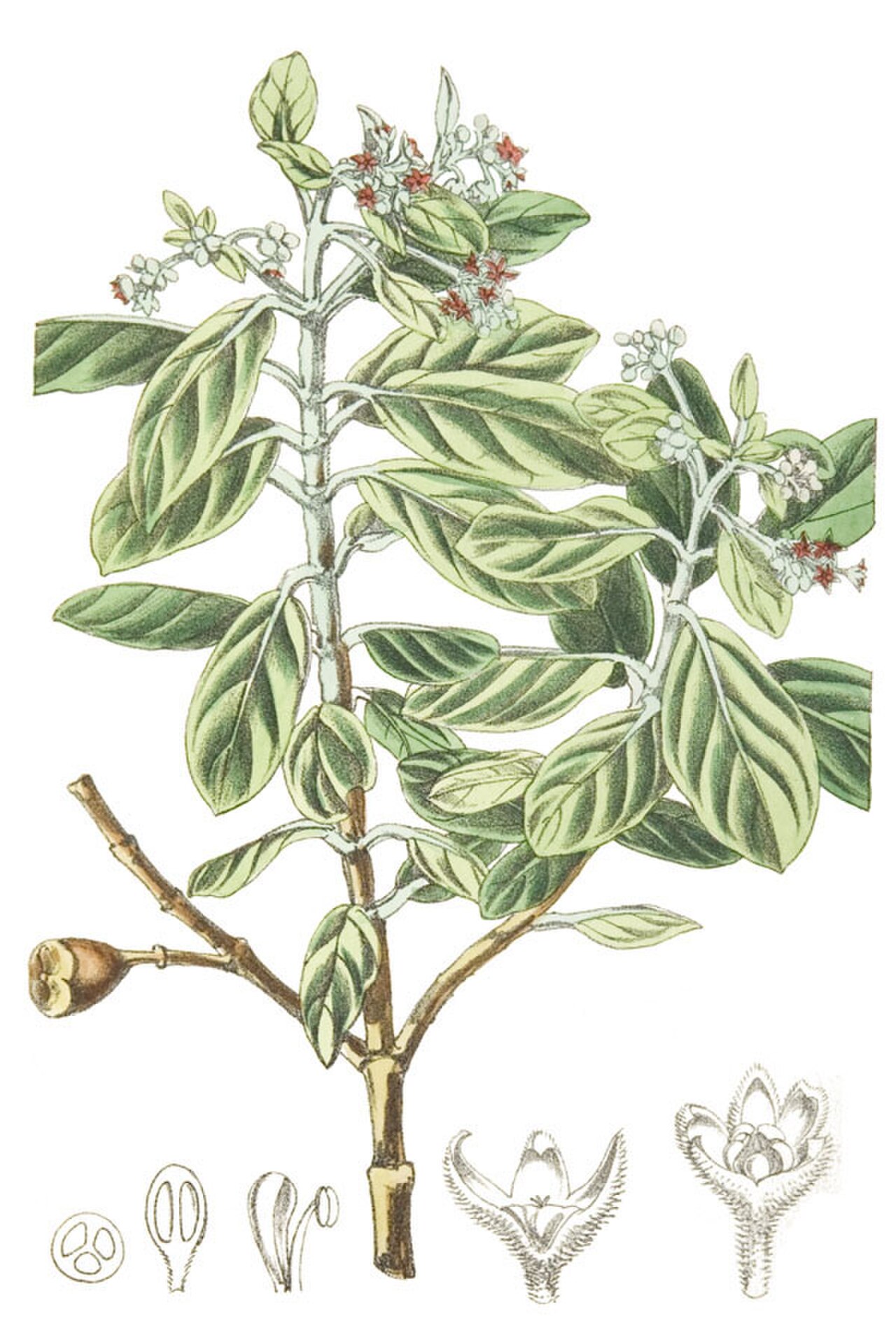
—observations
—countries
—peak records
ExtinctConservation statusIUCN Red List categoriesLCNTVUENCREWEXExtinctRed List categories, explained →
Diet & preyAutotrophic (photosynthetic)
Predators
- Feral goats
- Rats
ThreatsHistorical overgrazing by goats, deforestation, invasive weeds, fungal blight, and extreme genetic self-incompatibility
HabitatsMontane cloud forests and volcanic ridges
Life spanSeveral decades
Classification
- FamilyRhamnaceae
- SpeciesNesiota elliptica
Range data is not available yet.
Interaction riskLow
- Low
- Moderate
- High
- Very high
- Why interaction risk is low
- Safe to observe at a normal distance.
Responsible observation
- Herbarium Records: Examine historical pressed vouchers preserved in botanical collections.
- Biosecurity Support: Comply with quarantine regulations to protect surviving island flora.
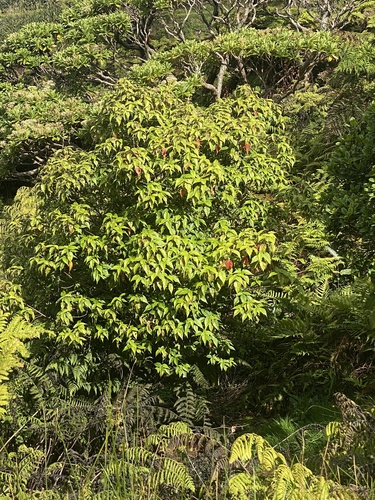
Island Neighbor no rights reserved, uploaded by davidroy · cc0 Image unavailable
Island Neighbor 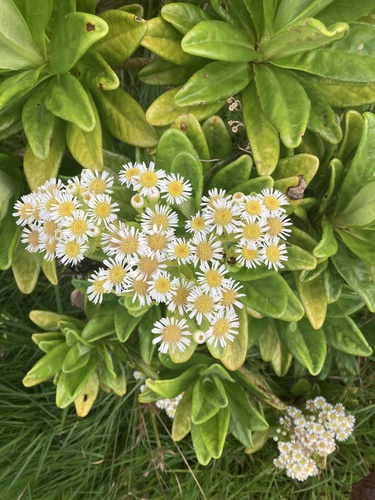
Island Neighbor no rights reserved · cc0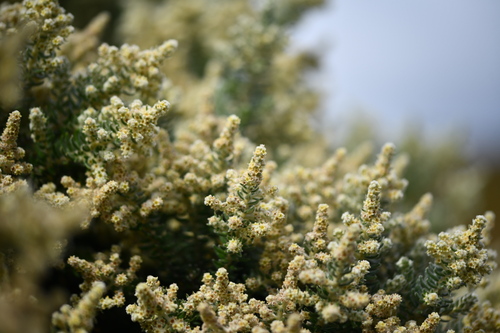
Same Tribe (c) Flavien Saboureau, some rights reserved (CC BY) · cc-by
Help improve the field guideSomething wrong?
Checking your Fauna account…Report a name, category, or profile issue for review.