
Plant · GBIF taxon 3855518
Seven Sons Tree
Heptacodium miconioidesAlso known as Seven-Son Flower, Seven Sons Flower
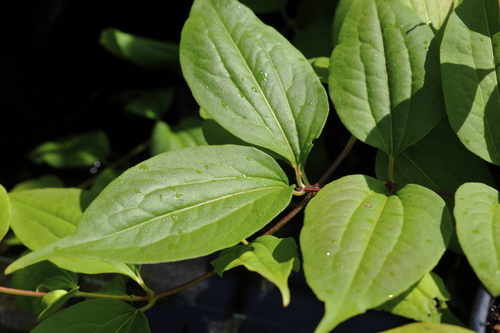
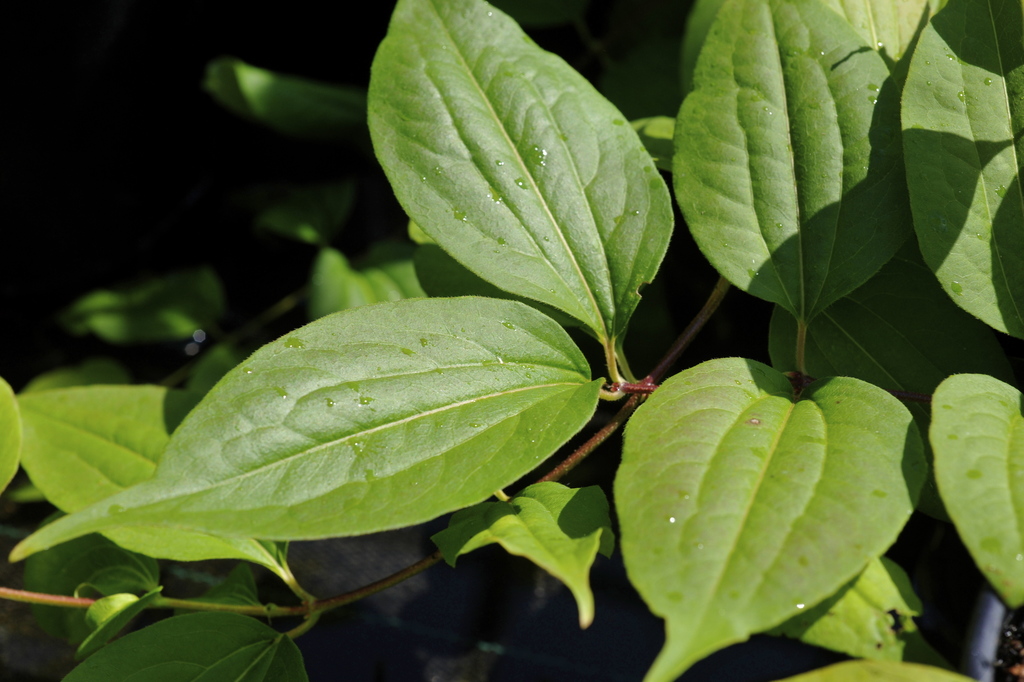
Seven Sons Tree brings rare late-season beauty to forest margins and gardens, producing fragrant clusters of cream-white blossoms in seven-flowered whorls during late summer. Once the white petals drop, the leafy sepals expand into a brilliant cherry-red display that rivals peak autumn foliage. Its tan, paper-like bark constantly exfoliates to reveal rich brown inner layers, providing striking architectural texture throughout winter.
Flowering TreePeeling BarkLate Bloomer
—observations
—countries
—peak records
VulnerableConservation statusIUCN Red List categoriesLCNTVUENCREWEXVulnerableRed List categories, explained →
Diet & prey
- Autotrophic (Photosynthesis)
Predators
Not available
ThreatsDeforestation, agricultural development, and small fragmented wild populations
HabitatsDeciduous mountain forests, scrub, stream margins, and cultivated landscapes
Life span50–100 years
Size / weightNot available
Classification
- OrderDipsacales
- FamilyCaprifoliaceae
- GenusHeptacodium
- SpeciesHeptacodium miconioides
Range data is not available yet.
Interaction riskLow
- Low
- Moderate
- High
- Very high
- Why interaction risk is low
- Safe to observe at a normal distance.
- What to notice
- Features distinctive three-veined leaves, shredding tan bark, and late-summer seven-flowered cluster whorls.
- Support conservation
- Enjoy cultivated landscape specimens and avoid harvesting seed or cuttings from wild populations.
Responsible observation
- Seasonal Observation: Visit in late summer to catch the peak fragrant flowering or in autumn for the vibrant red calyxes.
- Bark Inspection: Examine the multi-stemmed trunk during winter to admire the papery, exfoliating outer bark.
- Pollinator Watching: Look for monarchs and bumblebees congregating around the nectar-rich late-season blooms.
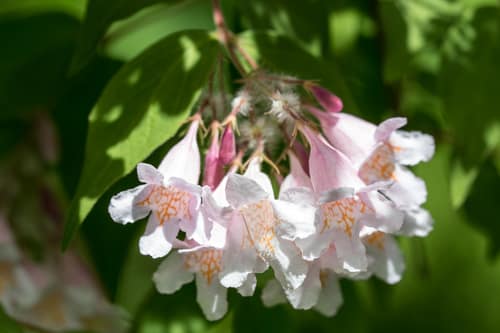
Close Relative (c) Bill Keim, some rights reserved (CC BY) · cc-by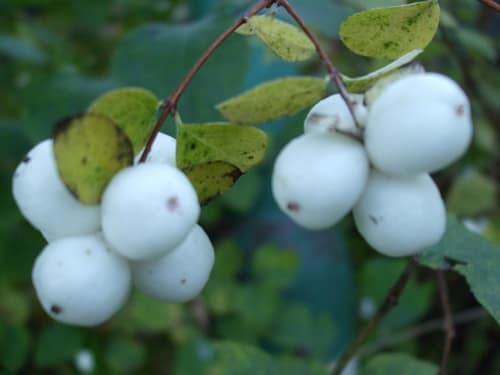
Family Relative (c) tomasz przechlewski, some rights reserved (CC BY) · cc-by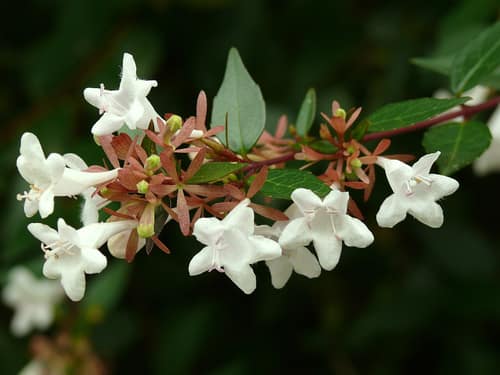
Family Relative Mariko GODA / Public domain · cc0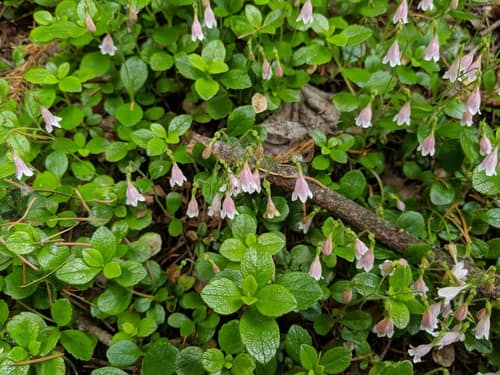
Family Relative (c) Chris Johnson, some rights reserved (CC BY), uploaded by Chris Johnson · cc-by
Help improve the field guideSomething wrong?
Checking your Fauna account…Report a name, category, or profile issue for review.