
Plant · GBIF taxon 3804846
Euphrates Poplar
Populus euphraticaAlso known as Desert Poplar, Diversiform-Leaved Poplar, Poplar Diversifolia
Euphrates poplars dominate arid floodplains across Central and Southwest Asia, acting as vital green corridors through severe deserts. Famous for heterophylly, a single tree displays narrow willow-like leaves on young sprouts alongside rounded, deeply notched foliage on mature branches. Exceptional salt and drought tolerance allows deep roots to draw from brackish groundwater where few other broadleaf trees survive.
TreeDesertDeciduous
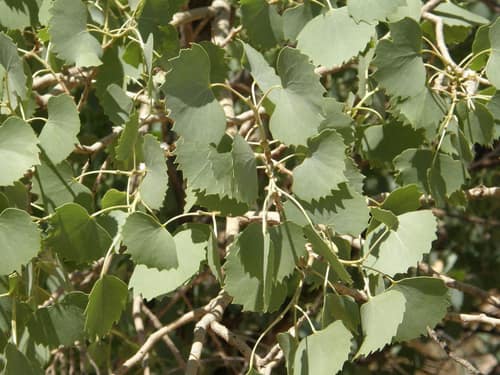
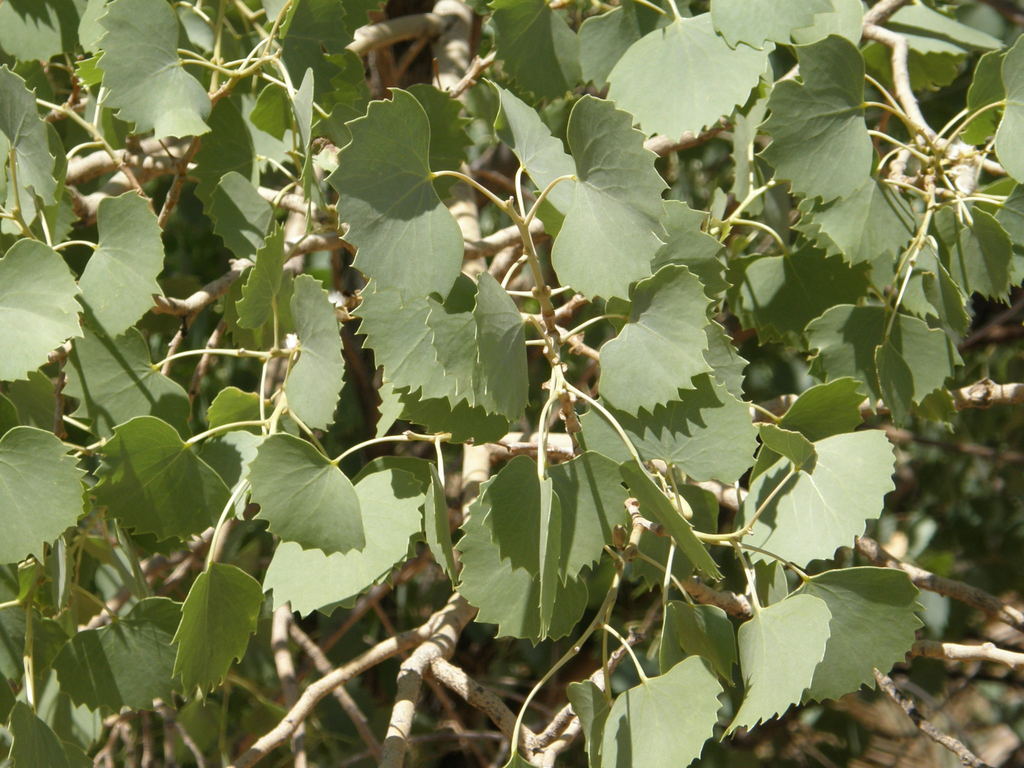
—observations
—countries
—peak records
Least ConcernConservation statusIUCN Red List categoriesLCNTVUENCREWEXLeast ConcernRed List categories, explained →
Diet & prey
- Autotrophic (Photosynthesis)
Predators
- Poplar Leaf Beetle
- Aphids
- Livestock
ThreatsWater diversion, dam construction, groundwater depletion, overgrazing
HabitatsDesert riparian corridors, floodplains, oasis edges, saline riverbanks
Life span100–150 years
Size / weightNot available
Classification
- FamilySalicaceae
- SpeciesPopulus euphratica
Range data is not available yet.
Interaction riskLow
- Low
- Moderate
- High
- Very high
- Why interaction risk is low
- Safe to observe at a normal distance.
Responsible observation
- Leaf Observation: Examine young root suckers and high mature branches to compare dramatically different foliage shapes.
- Seasonal Display: Visit desert river basins in mid-autumn to see dense riverine forests turn a vivid golden yellow.
- Habitat Context: Look along perennial or seasonal desert rivers where groundwater remains within reach of deep taproots.
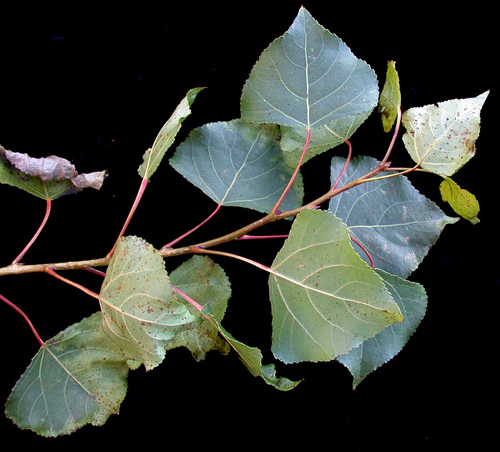
Close Relative (c) Ayotte, Gilles, 1948-, some rights reserved (CC BY-SA) · cc-by-sa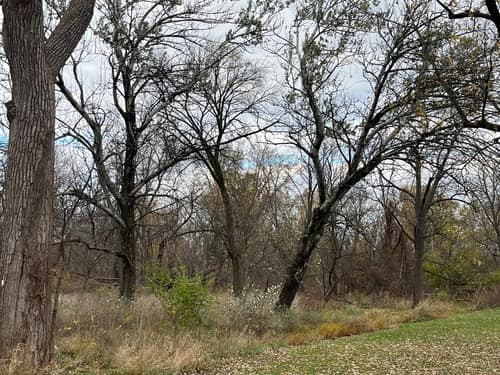
Close Relative (c) Mike B, some rights reserved (CC BY-SA), uploaded by Mike B · cc-by-sa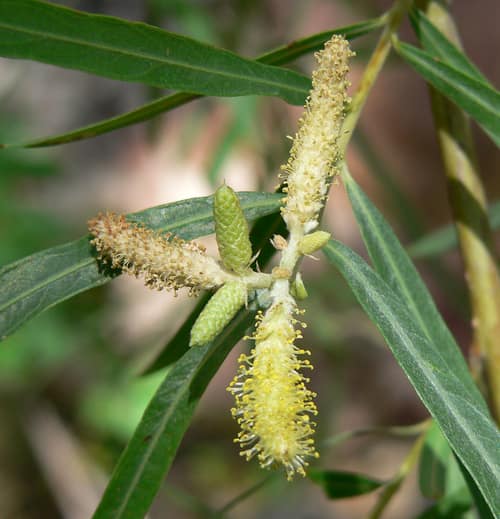
Family Member (c) Stan Shebs, some rights reserved (CC BY-SA) · cc-by-sa
Help improve the field guideSomething wrong?
Checking your Fauna account…Report a name, category, or profile issue for review.