
Plant
Karvi
Strobilanthes callosaAlso known as Karvy, Maruadona
Karvi dominates the understory of Western Ghats hillsides, spending seven years as an unassuming rough-leaved shrub before erupting into a synchronized mass bloom that blankets landscapes in vibrant purple. Swarms of native honeybees flood these rare mass flowerings to gather abundant nectar, producing a prized, dark regional honey. Once flowering concludes, the dry seed capsules burst open with an audible pop during the first rains, dispersing seeds before the parent thicket dies back.
PlicietesialWildflowerShrub
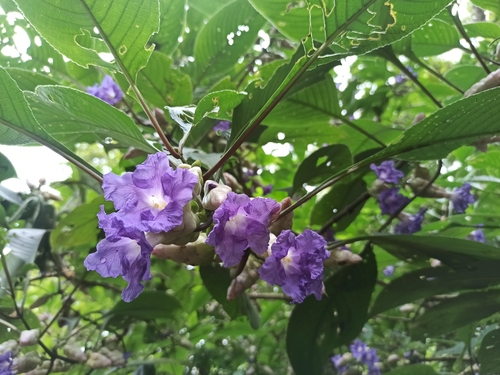
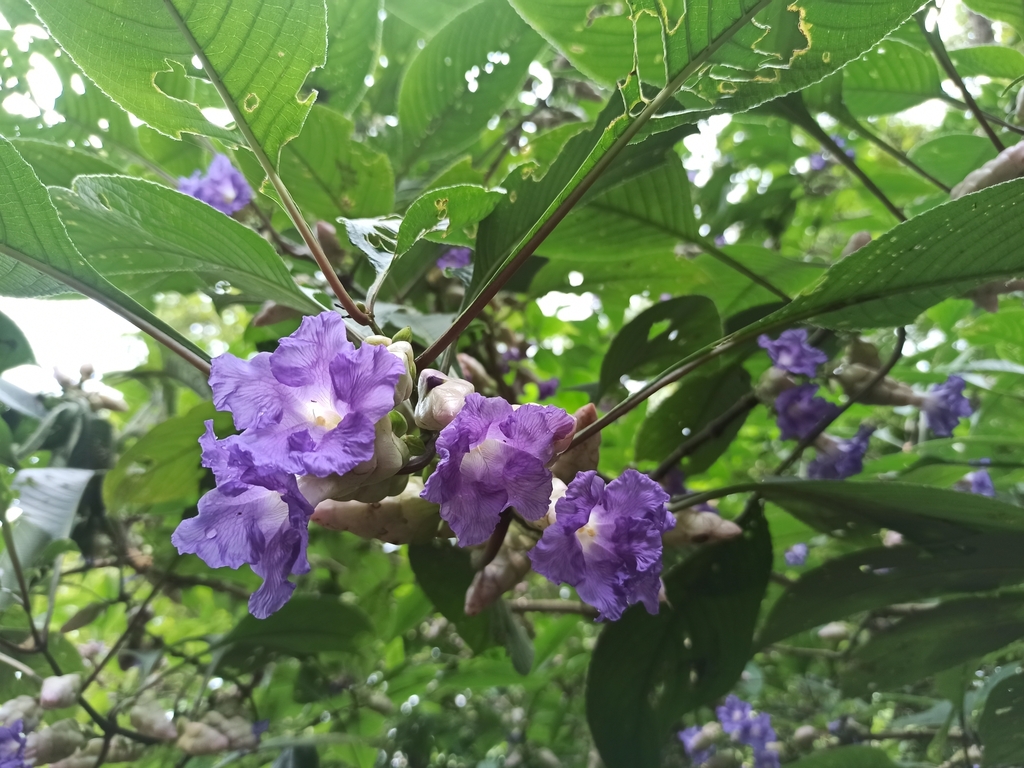
—observations
—countries
—peak records
Not EvaluatedConservation statusIUCN Red List categoriesLCNTVUENCREWEXNot Evaluated — not placed on the risk ladderRed List categories, explained →
Diet & preyAutotrophic (Photosynthesis)
Predators
- Sambar Deer
- Indian Crested Porcupine
- Wild Boar
ThreatsHabitat clearance, wildfire, invasive weed encroachment
HabitatsMoist deciduous forests and rocky hill slopes
Life span7–8 years
Classification
- OrderLamiales
- FamilyAcanthaceae
- GenusStrobilanthes
- SpeciesStrobilanthes callosa
Range data is not available yet.
Interaction riskLow
- Low
- Moderate
- High
- Very high
- Why interaction risk is low
- Safe to observe at a normal distance.
Responsible observation
- Bloom Timing: Plan excursions during synchronized mast flowering years to catch slopes turned violet.
- Acoustic Observation: Listen on sunny dry days for the sharp crackle of mature seed pods popping open.
- Trail Etiquette: Stay on established hiking paths to prevent soil erosion on steep, exposed hillsides.
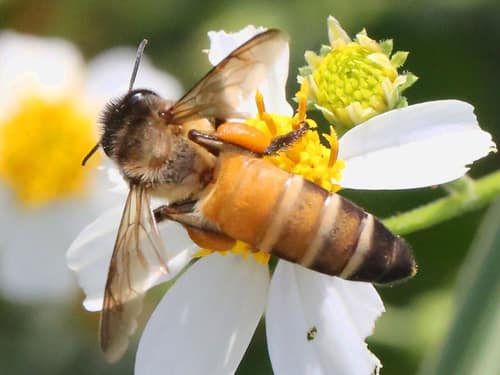
Pollinator Peterwchen / CC BY-SA 4.0 · cc-by-sa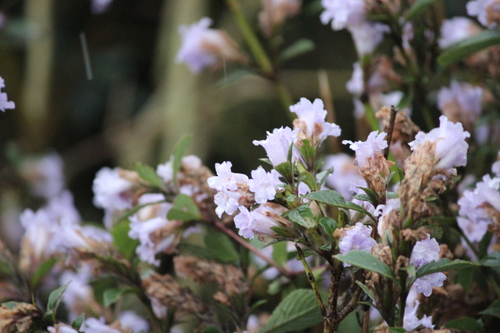
Close Relative (c) Ashwin Srinivasan, some rights reserved (CC BY), uploaded by Ashwin Srinivasan · cc-by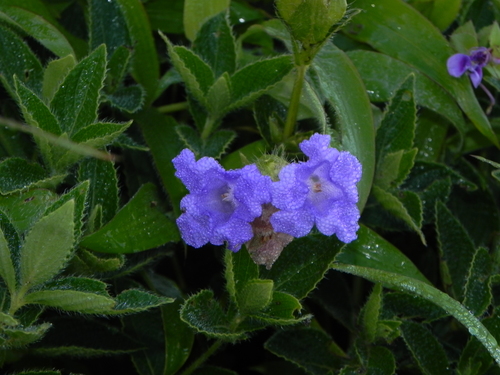
Close Relative no rights reserved, uploaded by S.MORE · cc0
Help improve the field guideSomething wrong?
Checking your Fauna account…Report a name, category, or profile issue for review.