
Plant
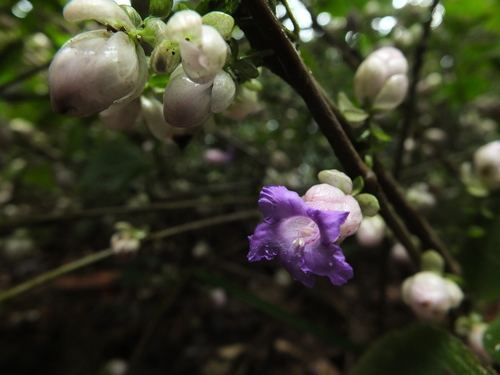
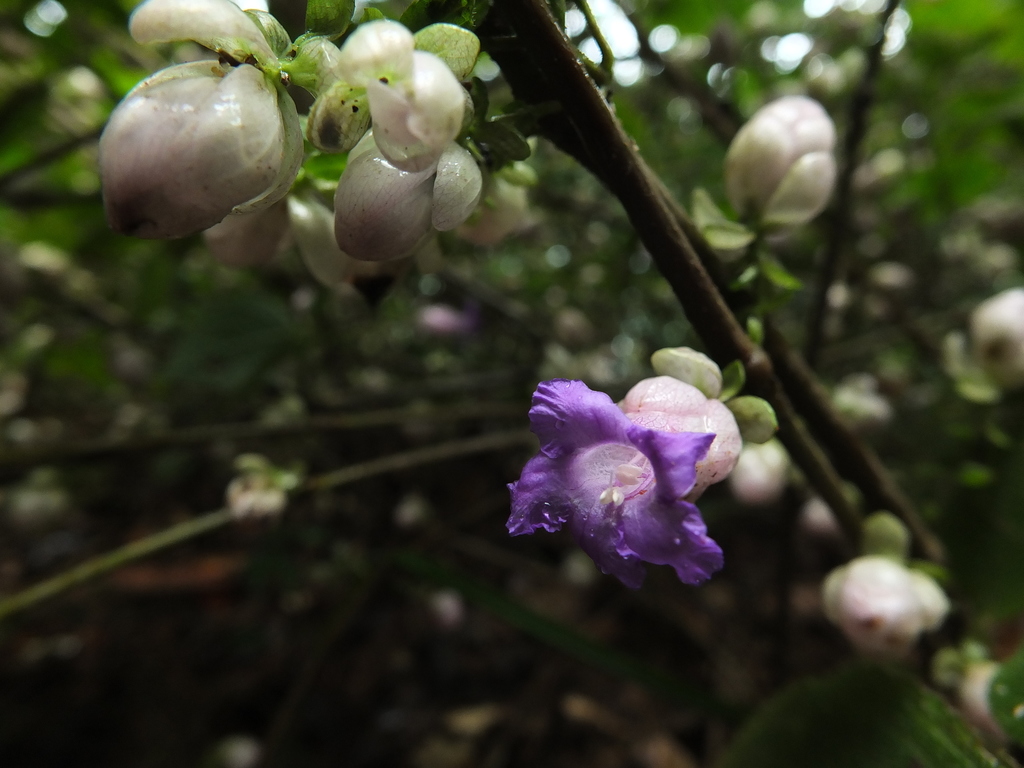
Strobilanthes heyneana
Strobilanthes heyneanaAlso known as Heyne's Conehead
Heyne's coneheads thrive across shaded understories and damp forest margins in the moist evergreen tracts of the Western Ghats. These branched subshrubs display dense terminal spikes of pale violet to white tubular flowers nestled among overlapping leafy bracts. Their synchronized mass-blooming episodes create vital seasonal nectar surges that draw diverse forest bees, butterflies, and hoverflies.
FloweringMontaneForest Understory
—observations
—countries
—peak records
Not EvaluatedConservation statusIUCN Red List categoriesLCNTVUENCREWEXNot Evaluated — not placed on the risk ladderRed List categories, explained →
Diet & preyAutotrophic (photosynthesis)
Predators
- Caterpillars
- Sambar deer
- Herbivorous beetles
ThreatsHabitat fragmentation, invasive alien weeds, and road widening
HabitatsMoist deciduous forests, semi-evergreen forest margins, and montane ravines
Life span3–10 years
Classification
- FamilyAcanthaceae
- SpeciesStrobilanthes heyneana
Range data is not available yet.
Interaction riskLow
- Low
- Moderate
- High
- Very high
- Why interaction risk is low
- Safe to observe at a normal distance.
Responsible observation
- Habitat Scouting: Search along damp trail edges and shaded ravines in mid-elevation Western Ghats forests.
- Flowering Observation: Inspect the compact floral spikes closely to spot native long-tongued bee pollinators.
- Trail Etiquette: Stay on designated paths to avoid trampling delicate understory vegetation and root mats.
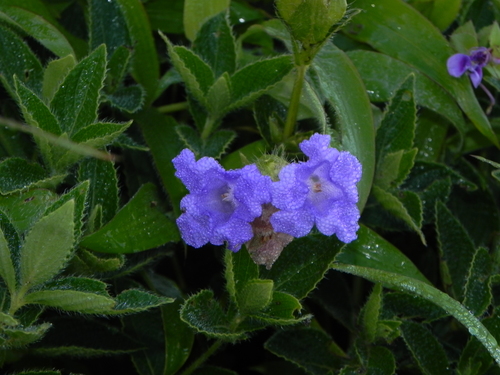
Same Genus no rights reserved, uploaded by S.MORE · cc0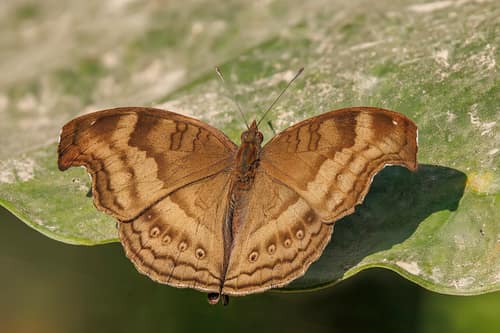
Herbivore Charles J. Sharp / CC BY-SA 4.0 · cc-by-sa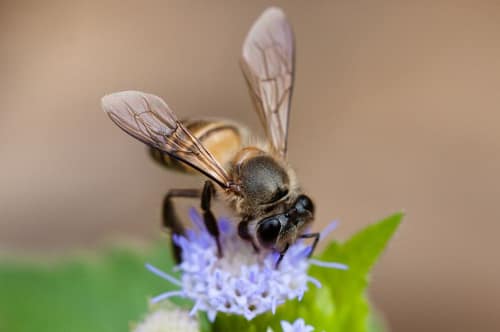
Pollinator Rushenb / CC BY-SA 3.0 · cc-by-sa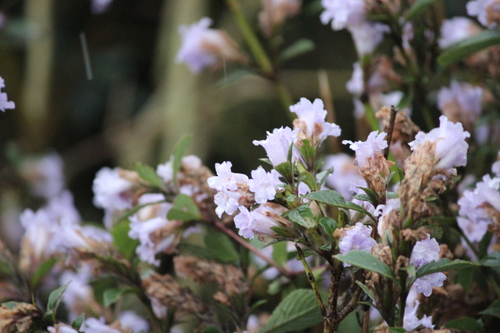
Close Relative (c) Ashwin Srinivasan, some rights reserved (CC BY), uploaded by Ashwin Srinivasan · cc-by
Help improve the field guideSomething wrong?
Checking your Fauna account…Report a name, category, or profile issue for review.