
Plant
Dye Fig
Ficus tinctoriaAlso known as Humped Fig, Pacific Dye Fig
Dye figs begin life high in the canopy of host trees, sending down aerial roots that gradually envelop the host and form a sturdy self-supporting trunk over time. Their small, asymmetrical fruits ripen from green to yellowish or dark red and serve as a crucial food source for tropical birds and fruit bats. Historical Pacific island communities famously processed the sap and fruit juice to produce a vivid red dye for traditional textiles.
TreeHemiepiphyticTropical
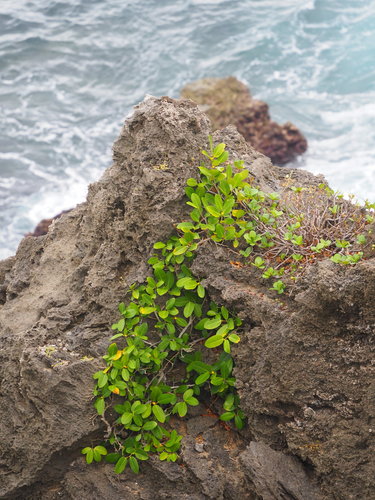
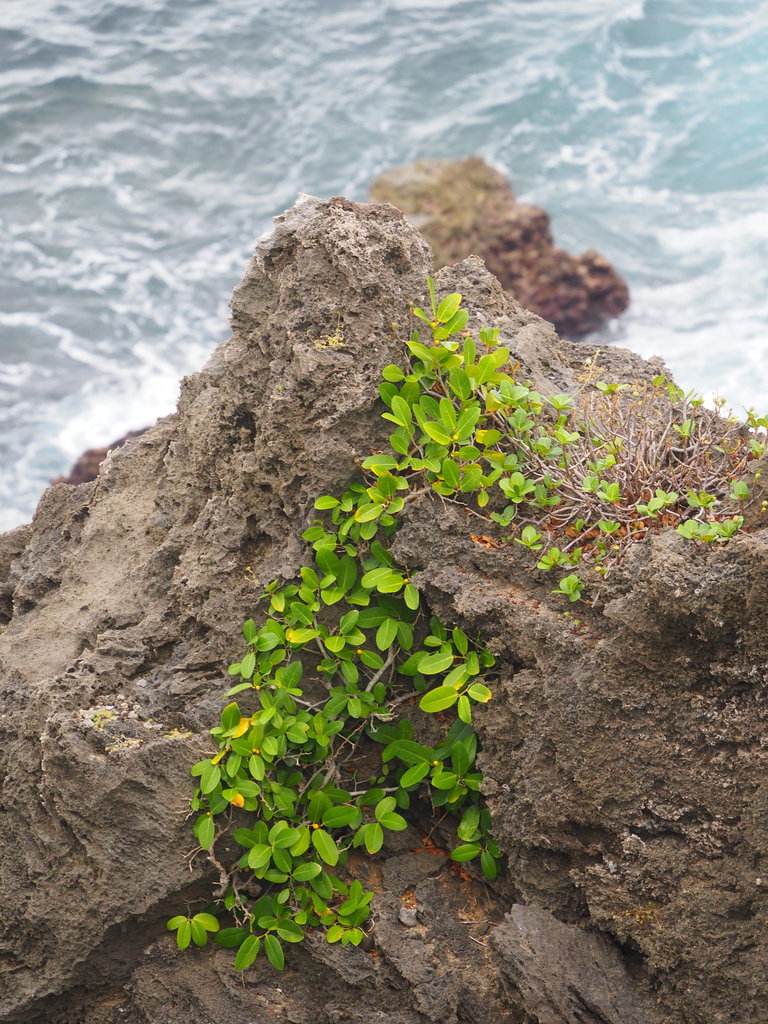
—observations
—countries
—peak records
Least ConcernConservation statusIUCN Red List categoriesLCNTVUENCREWEXLeast ConcernRed List categories, explained →
Diet & preySunlight, Water, Soil nutrients
Predators
- Fruit bats
- Hornbills
- Caterpillars
ThreatsHabitat loss, deforestation
HabitatsTropical rainforests, coastal forests, limestone hills
Life span50–150 years
Classification
- FamilyMoraceae
- SpeciesFicus tinctoria
Range data is not available yet.
Interaction riskLow
- Low
- Moderate
- High
- Very high
- Why interaction risk is low
- Wild fruits have toxic look-alikes; never eat based on app identification alone.
Responsible observation
- Examining roots: Look for roots fusing around host trees in tropical forests.
- Identifying fruits: Search for small, asymmetrical figs growing near leaf bases.
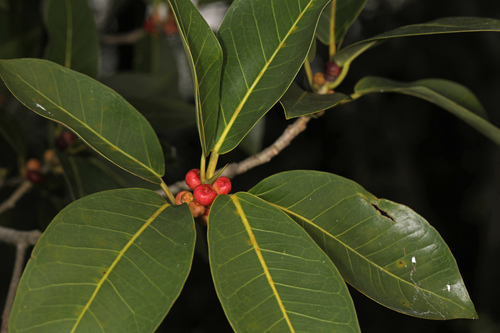
Close Relative (c) Judy Gallagher, some rights reserved (CC BY-SA), uploaded by Judy Gallagher · cc-by-sa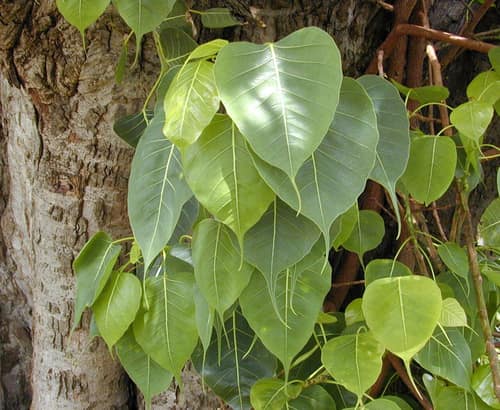
Close Relative Eric Guinther / CC BY-SA 3.0 · cc-by-sa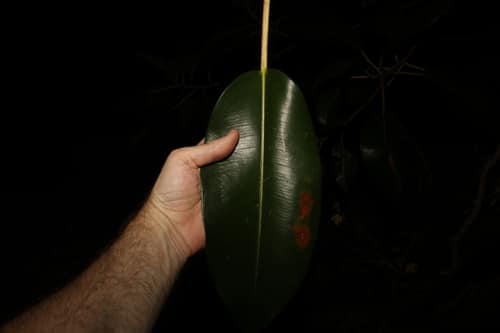
Close Relative (c) Greg Tasney, some rights reserved (CC BY-SA), uploaded by Greg Tasney · cc-by-sa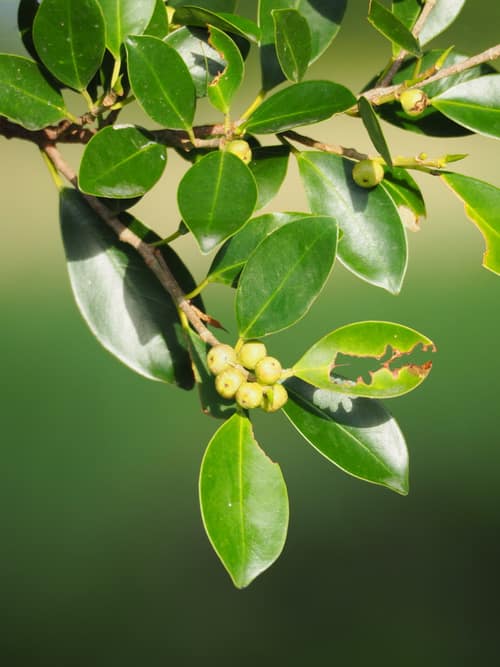
Close Relative no rights reserved, uploaded by 葉子 · cc0
Help improve the field guideSomething wrong?
Checking your Fauna account…Report a name, category, or profile issue for review.