
Plant
Angular Sea-fig
Carpobrotus glaucescensAlso known as Pigface, Iceplant, Angular Pigface, Coastal Pigface
Angular sea-figs form sprawling, salt-tolerant mats across coastal dunes and rocky headlands along eastern Australia, anchoring shifting sand with trailing stems up to 2 m long. Thick, triangular, blue-green leaves store fresh water to endure sea spray and drought, while bright pinkish-purple daisy-like flowers open in full sun to attract native bees and beetles. After pollination, fleshy red-to-purple fruits ripen mainly in summer and autumn, providing moisture and food for coastal birds, reptiles, and small mammals that disperse the seeds.
SucculentCoastalFlowering
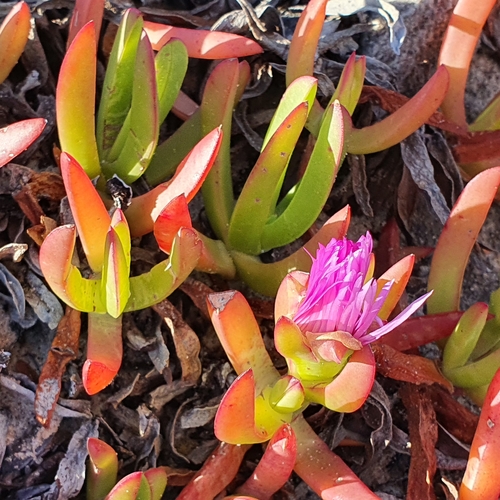
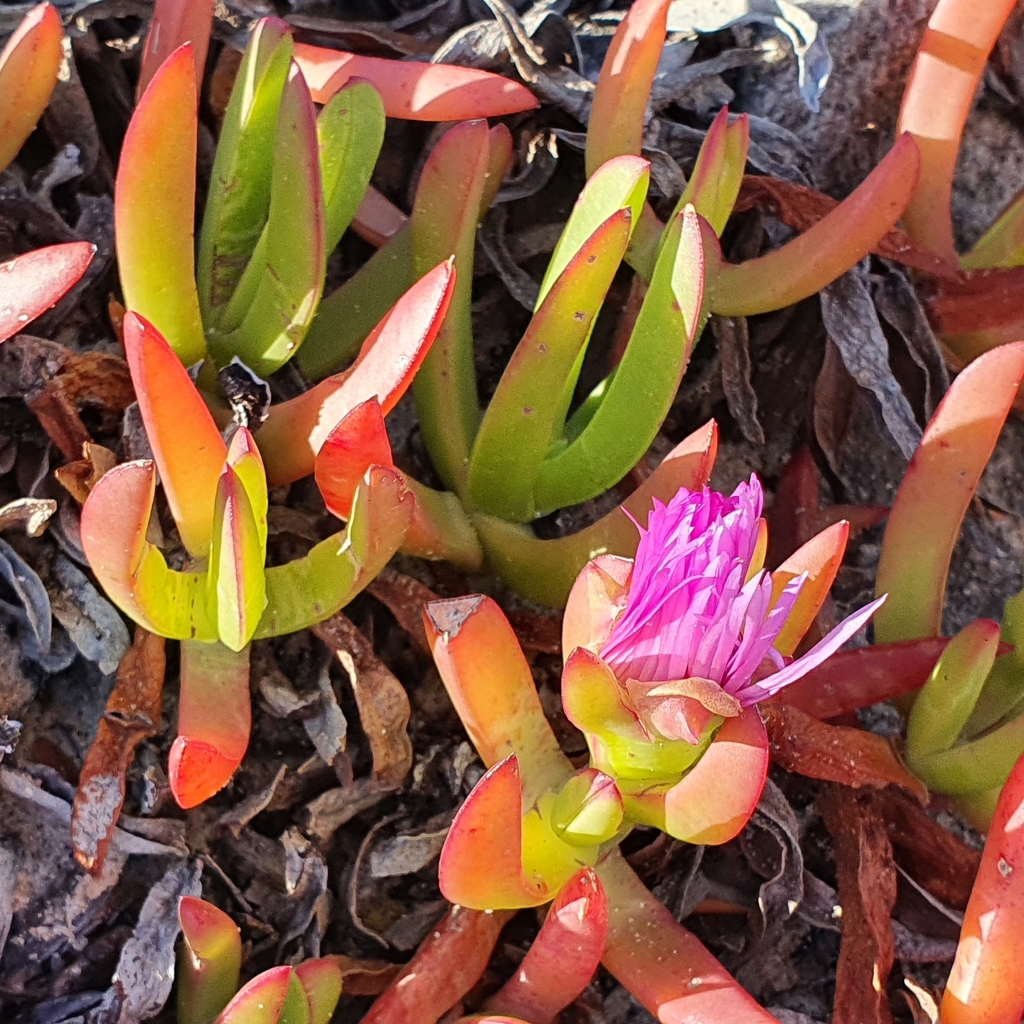
—observations
—countries
—peak records
Not EvaluatedConservation statusIUCN Red List categoriesLCNTVUENCREWEXNot Evaluated — not placed on the risk ladderRed List categories, explained →
Diet & preySunlight, Water, Soil minerals
Predators
- Coastal birds
- Eastern Blue-tongued Lizards
- Wallabies
ThreatsCoastal development, foot traffic, and competition from introduced Carpobrotus species
HabitatsCoastal sand dunes, headlands, cliffs, and salt-spray zones of eastern Australia
Life spanPerennial (several years to decades)
Classification
- FamilyAizoaceae
- SpeciesCarpobrotus glaucescens
Range data is not available yet.
Interaction riskLow
- Low
- Moderate
- High
- Very high
- Why interaction risk is low
- Safe to observe at a normal distance; wild fruits can have toxic look-alikes, so never eat based on app identification alone.
Responsible observation
- Leaf Shape: Check for a distinctly triangular cross-section with a bluish-green waxy coating.
- Dune Protection: Stay on marked boardwalks to avoid crushing shallow roots that hold coastal sand in place.
- Look-alikes: Compare flower color and leaf size carefully, as introduced Carpobrotus species often grow in the same dunes.
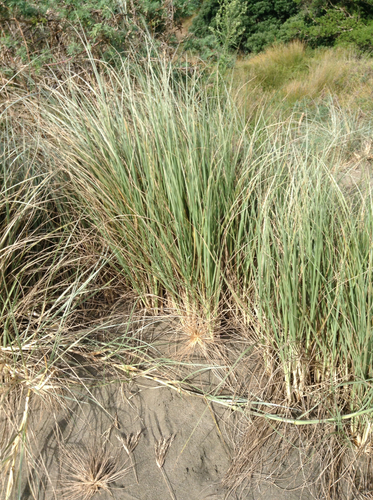
Frequent Companion (c) Bruce Calvert, some rights reserved (CC BY), uploaded by Bruce Calvert · cc-by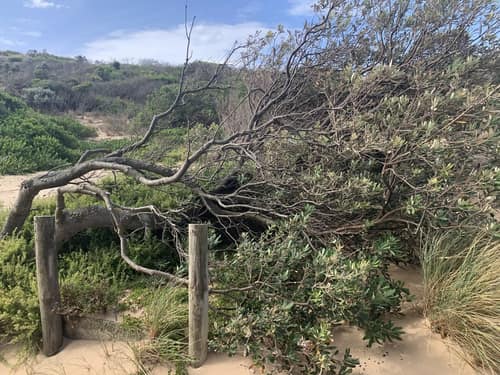
Neighbor (c) 呂一起(Lu i-chi), some rights reserved (CC BY), uploaded by 呂一起(Lu i-chi) · cc-by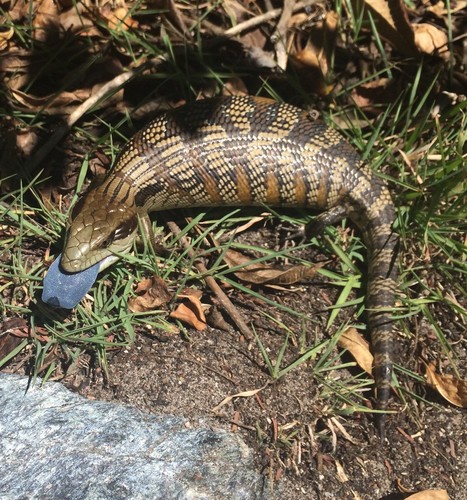
Predator (c) Thomas Mesaglio, some rights reserved (CC BY), uploaded by Thomas Mesaglio · cc-by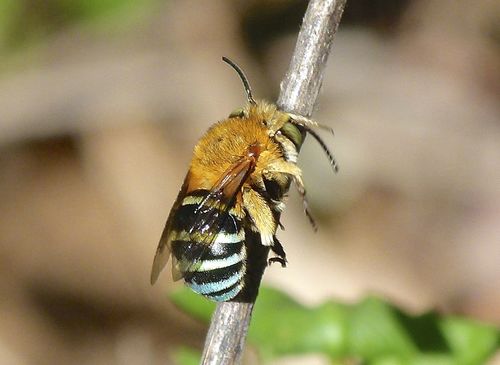
Pollinator (c) Steve Kerr, some rights reserved (CC BY), uploaded by Steve Kerr · cc-by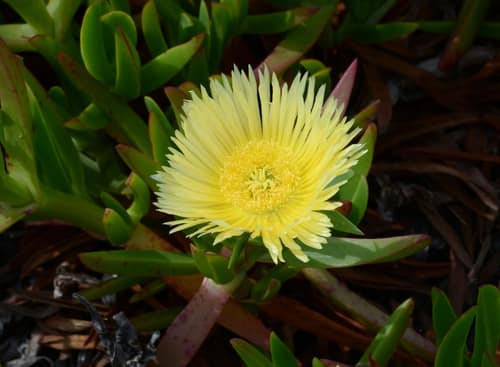
Close Relative (c) Alvesgaspar, some rights reserved (CC BY-SA) · cc-by-sa
Help improve the field guideSomething wrong?
Checking your Fauna account…Report a name, category, or profile issue for review.