
Plant
Queensland Bottle Tree
Brachychiton rupestrisAlso known as Narrow-leaved Bottle Tree
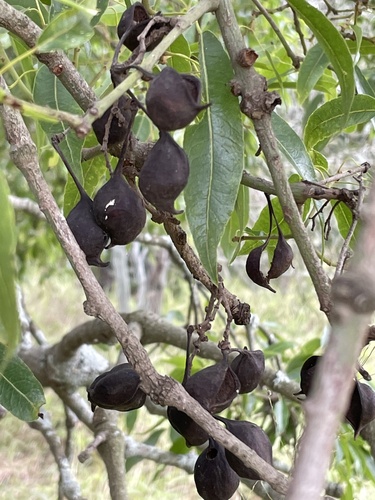
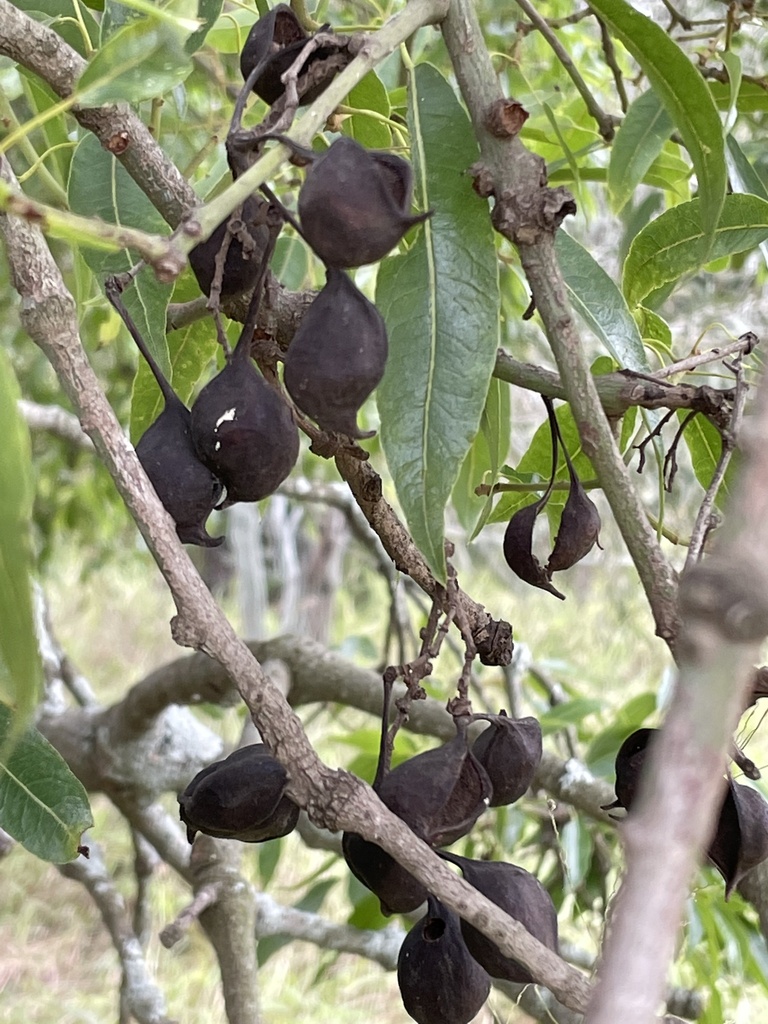
Queensland bottle trees store vast reserves of water inside their swollen, barrel-shaped trunks, allowing them to thrive in semi-arid Brigalow scrub where droughts can last for years. Before flowering in spring, the tree drops its narrow, varied leaves, exposing bare branches that soon erupt in clusters of cream-colored, bell-shaped blossoms streaked with red inside. Its woody, boat-shaped seed pods ripen through autumn, splitting open to release seeds sought by cockatoos while also making the tree a striking ornamental specimen in Australian parks and streets.
DeciduousDrought-tolerantFlowering
—observations
—countries
—peak records
Least ConcernConservation statusIUCN Red List categoriesLCNTVUENCREWEXLeast ConcernRed List categories, explained →
Diet & preySunlight, Groundwater, Soil minerals
Predators
- Sulphur-crested Cockatoo
- Livestock
- Feral goats
ThreatsLand clearing for agriculture, livestock browsing on seedlings, severe bushfires
HabitatsSemi-arid Brigalow scrub, dry rainforests, and open woodlands of central and southern Queensland
Life span100–300 years
Classification
- OrderMalvales
- FamilyMalvaceae
- GenusBrachychiton
- SpeciesBrachychiton rupestris
Range data is not available yet.
Interaction riskLow
- Low
- Moderate
- High
- Very high
- Why interaction risk is low
- Safe to observe at a normal distance; avoid touching the irritating hairs inside split seed pods.
Responsible observation
- Trunk Structure: Notice how the fissured gray bark covers a swollen, fibrous trunk built to store water through dry seasons.
- Spring Blooms: Look for cream-colored, bell-shaped flowers appearing on leafless branches between September and November.
- Seed Pods: Admire the woody, boat-shaped follicles without handling the interior, which holds fine, irritating hairs.
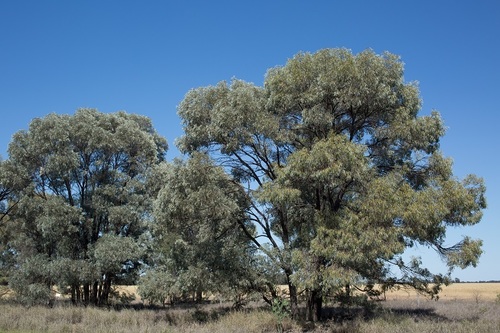
Frequent Companion (c) dhfischer, some rights reserved (CC BY), uploaded by dhfischer · cc-by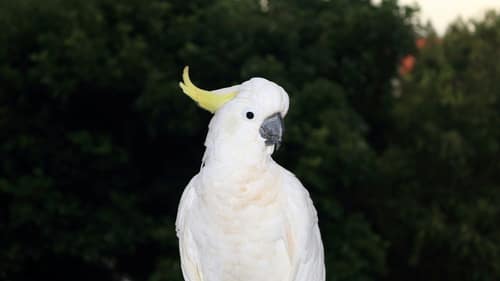
Predator (c) Hyme852052, some rights reserved (CC BY-SA) · cc-by-sa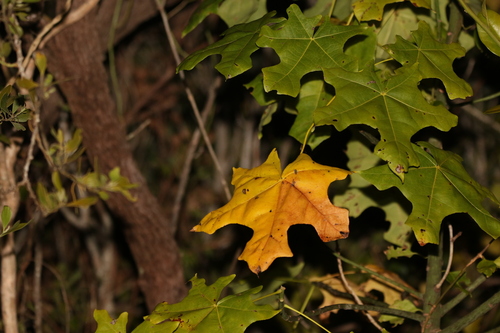
Close Relative (c) Greg Tasney, some rights reserved (CC BY-SA), uploaded by Greg Tasney · cc-by-sa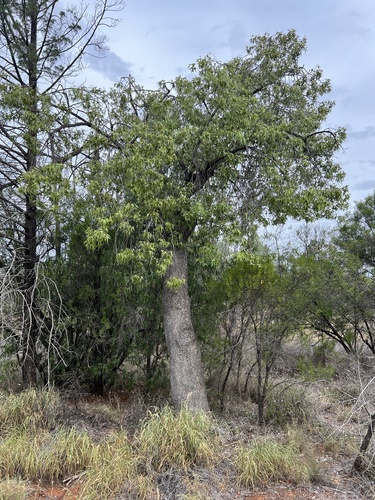
Close Relative (c) Lucas Christofides, some rights reserved (CC BY) · cc-by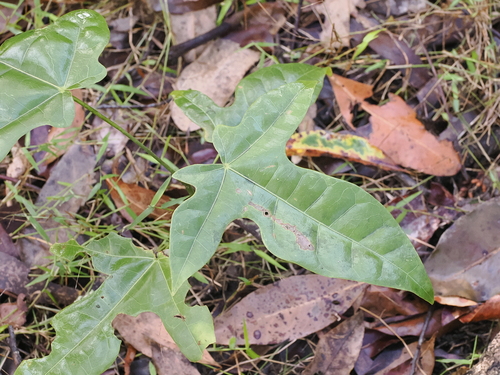
Close Relative (c) Lucas Christofides, some rights reserved (CC BY) · cc-by
Help improve the field guideSomething wrong?
Checking your Fauna account…Report a name, category, or profile issue for review.