
Plant
Clockweed
Oenothera lindheimeriAlso known as Lindheimer's Beeblossom, White Gaura, Pink Gaura, Indian Feather
Clockweed dances on thin, wand-like stems that sway effortlessly in the slightest breezes, earning it a reputation as a favorite for airy meadow garden designs. Each four-petaled bloom opens white in early morning and slowly turns blush pink before dropping by dusk, giving way to fresh flowers daily throughout late spring and autumn. Native to the tallgrass prairies of Texas and Louisiana, its deep taproot makes it exceptionally drought resistant and a magnet for long-tongued bees and moths.
PerennialDrought TolerantAttracts Pollinators
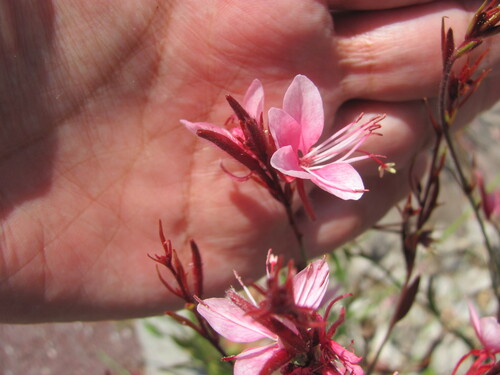
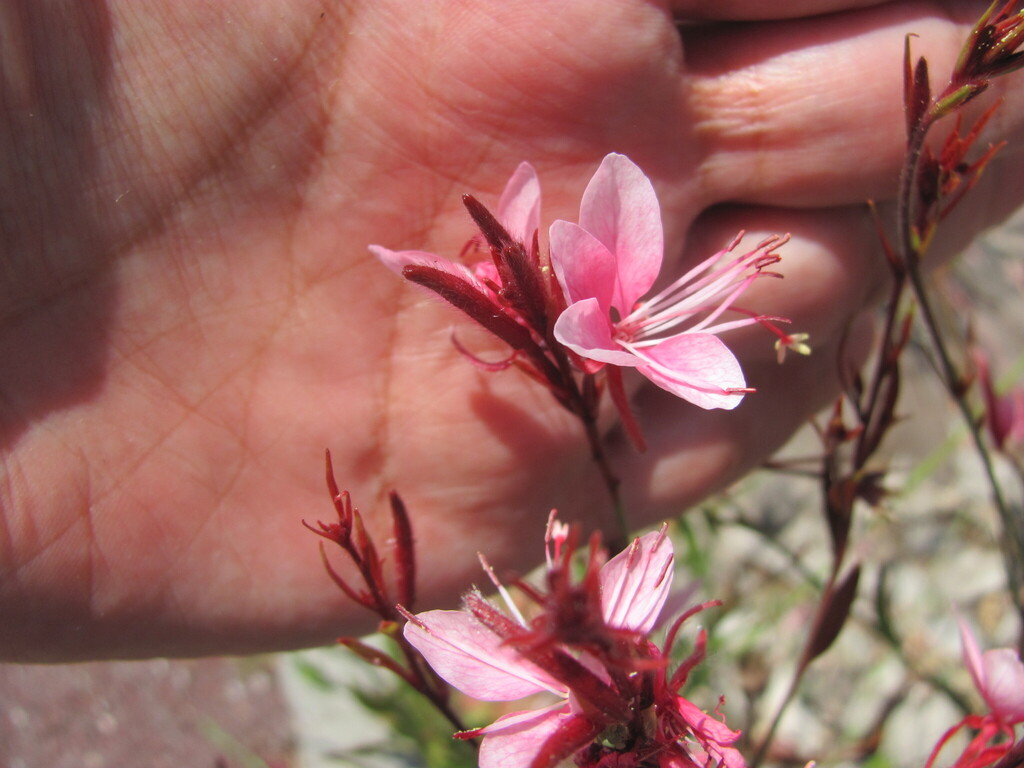
—observations
—countries
—peak records
Not EvaluatedConservation statusIUCN Red List categoriesLCNTVUENCREWEXNot Evaluated — not placed on the risk ladderRed List categories, explained →
Diet & preyPhotosynthetic
Predators
- Deer
- Aphids
- Flea Beetles
ThreatsOvergrowth by woody vegetation, land development
HabitatsPrairies, open woodlands, sunny fields
Life span3–5 years
Classification
- OrderMyrtales
- FamilyOnagraceae
- GenusOenothera
- SpeciesOenothera lindheimeri
Range data is not available yet.
Interaction riskLow
- Low
- Moderate
- High
- Very high
- Why interaction risk is low
- Safe to observe at a normal distance.
Responsible observation
- Best Viewing: Visit early in the morning to see freshly opened white blossoms before they mature into pink tones by late afternoon.
- Pollinator Spotting: Watch closely on warm summer evenings for night-visiting moths hovering around the delicate flower spikes.
- Gardening Care: Plant in lean, well-draining soil in full sun to prevent the long stems from flopping over.
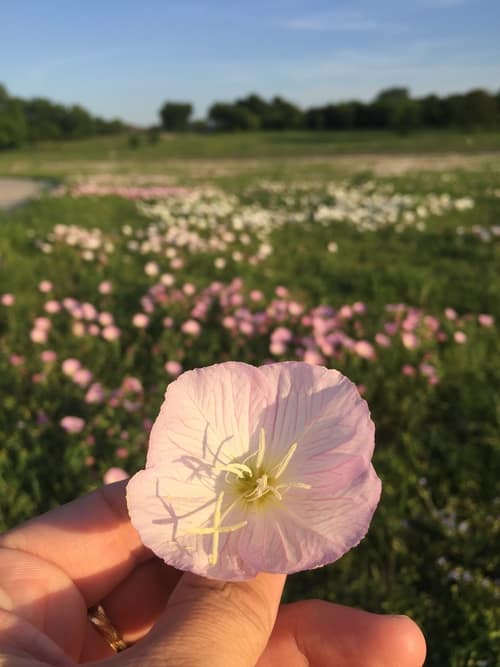
Genus Relative (c) Sam Kieschnick, some rights reserved (CC BY) · cc-by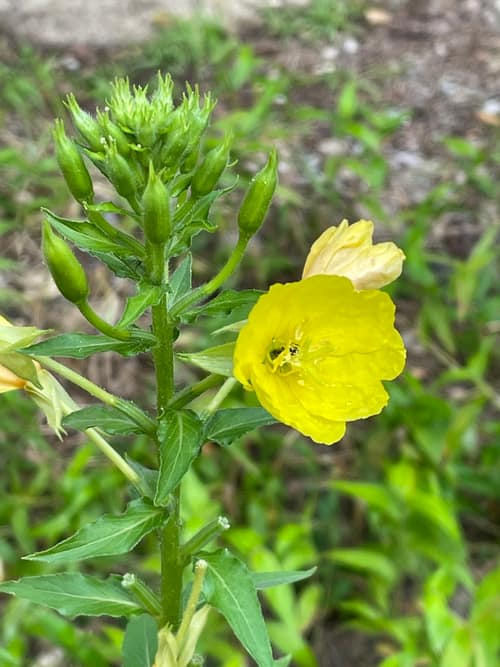
Close Relative (c) Tom Pollard, some rights reserved (CC BY), uploaded by Tom Pollard · cc-by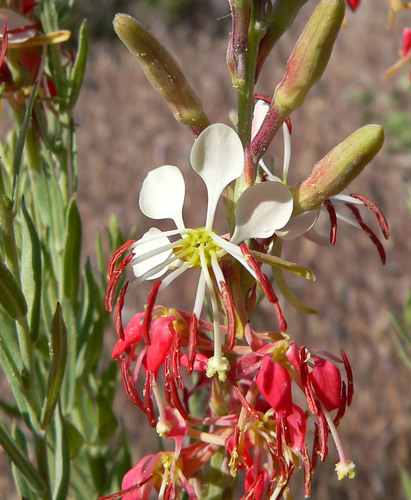
Close Relative (c) Stan Shebs, some rights reserved (CC BY-SA) · cc-by-sa
Help improve the field guideSomething wrong?
Checking your Fauna account…Report a name, category, or profile issue for review.