
Plant · GBIF taxon 3600004
Giant Tree Fern
Cyathea microdontaAlso known as Small-Toothed Tree Fern
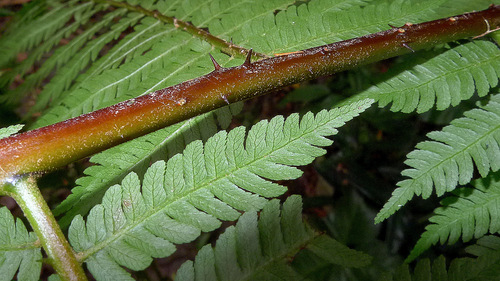
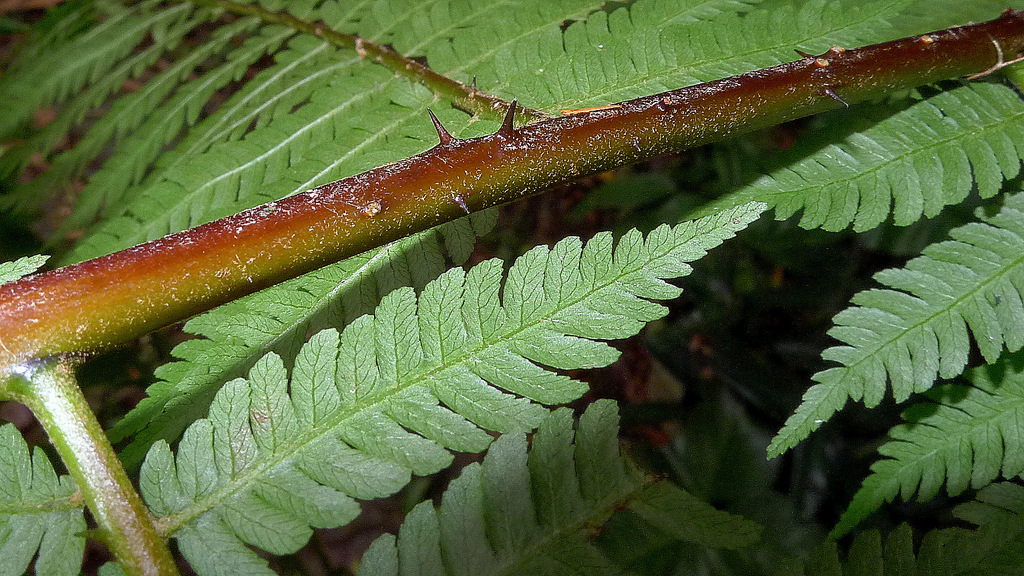
Giant tree ferns unfurl massive, finely divided fronds that construct a dense green canopy in damp tropical understories. Their fibrous trunks serve as vibrant microhabitats, anchoring orchids, mosses, and smaller epiphytic ferns high above the forest floor. Thousands of dust-like spores disperse from the undersides of mature leaves to colonize humid stream banks and shady forest gaps.
TropicalUnderstorySpores
 1 / 3
1 / 3—observations
—countries
—peak records
Least ConcernConservation statusIUCN Red List categoriesLCNTVUENCREWEXLeast ConcernRed List categories, explained →
Diet & prey
- Autotrophic (sunlight, water, and soil nutrients)
Predators
- Herbivorous caterpillars
- Slugs
- Snails
ThreatsDeforestation, agricultural land clearing, and canopy loss
HabitatsWet tropical rainforests, cloud forest edges, and shaded stream banks
Life span30–70 years
Size / weightNot available
Classification
- FamilyCyatheaceae
- SpeciesCyathea microdonta
Range data is not available yet.
Interaction riskLow
- Low
- Moderate
- High
- Very high
- Why interaction risk is low
- Safe to observe at a normal distance.
Responsible observation
- Examine Frond Undersides: Look for round clusters of spores called sori arranged along the pinnae.
- Inspect the Trunk: Search the fibrous stem for delicate mosses and perching orchids.
- Observe Leaf Unfurling: Watch for tightly coiled young fronds known as fiddleheads in early growth cycles.
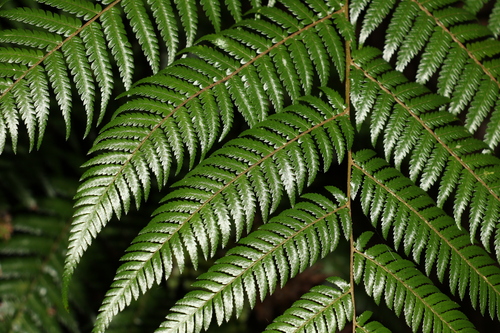
Close Relative (c) Greg Tasney, some rights reserved (CC BY-SA), uploaded by Greg Tasney · cc-by-sa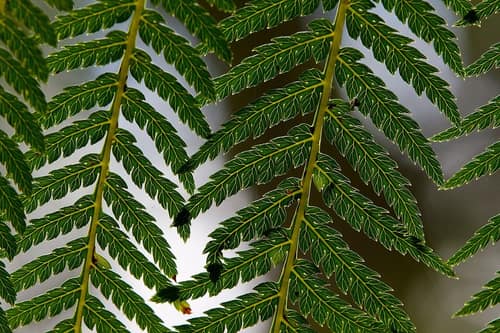
Family Relative JJ Harrison / CC BY-SA 3.0 · CC BY-SA 3.0
Help improve the field guideSomething wrong?
Checking your Fauna account…Report a name, category, or profile issue for review.