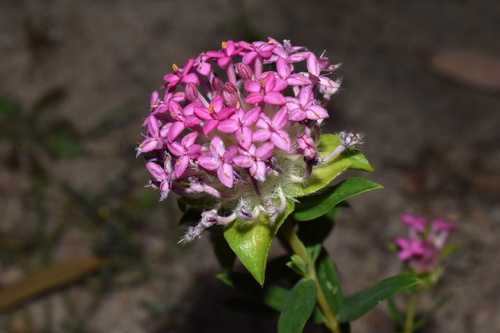
Coastal banjine forms a neat, rounded dome of glossy, opposite leaves that shrug off fierce salt-laden winds along the coasts of southwestern Australia. From late winter through summer, its branch tips erupt in tight, pom-pom-like heads of tubular pink flowers surrounded by rosy bracts, drawing native bees, butterflies, and honeyeaters. Its tough, fibrous bark and compact habit make it a resilient anchor on shifting dunes and exposed headlands.
Not EvaluatedConservation statusIUCN Red List categoriesLCNTVUENCREWEXNot Evaluated — not placed on the risk ladderRed List categories, explained →
Key facts
Diet & preySunlight, Water, Soil minerals
Predators
Leaf-eating beetles
Sap-sucking bugs
Browsing herbivores
ThreatsCoastal urban development, invasive weeds, Phytophthora dieback, and altered fire regimes
HabitatsCoastal sand dunes, limestone ridges, granite headlands, and coastal heathland in southwestern Western Australia
Life span10–20 years
Classification
OrderMalvales
FamilyThymelaeaceae
GenusPimelea
SpeciesPimelea ferruginea
Range & activity
Range data is not available yet.
Safe observation
Interaction riskHigh
Low
Moderate
High
Very high
Why interaction risk is high
Contains toxic compounds that can harm people, pets, and livestock if eaten; do not ingest any part.
Why it is dangerous
Plants in the Thymelaeaceae family contain irritating diterpene esters that can cause severe gastrointestinal distress, vomiting, and mouth irritation if swallowed, and the sap may irritate sensitive skin.
How to recognize a risky encounter
Look for a compact, rounded shrub with glossy, elliptic leaves arranged in opposite pairs and dense, terminal heads of small, four-lobed pink tubular flowers.
What to do
Admire the blooms without picking or chewing the foliage, keep curious pets away from garden plantings, and wash hands after pruning.
Responsible observation
Leaf Pattern: Check the neat pairs of glossy green leaves arranged in four vertical rows along the stems.
Pollinator Watch: Stand quietly near blooming shrubs in spring to spot native bees and honeyeaters probing the flower tubes.
Respect Coastal Dunes: Stay on marked boardwalks and paths when viewing wild plants, as dune soils erode easily underfoot.

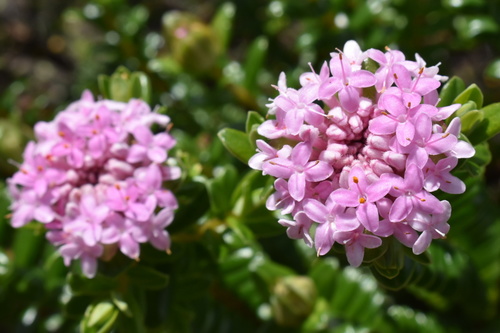
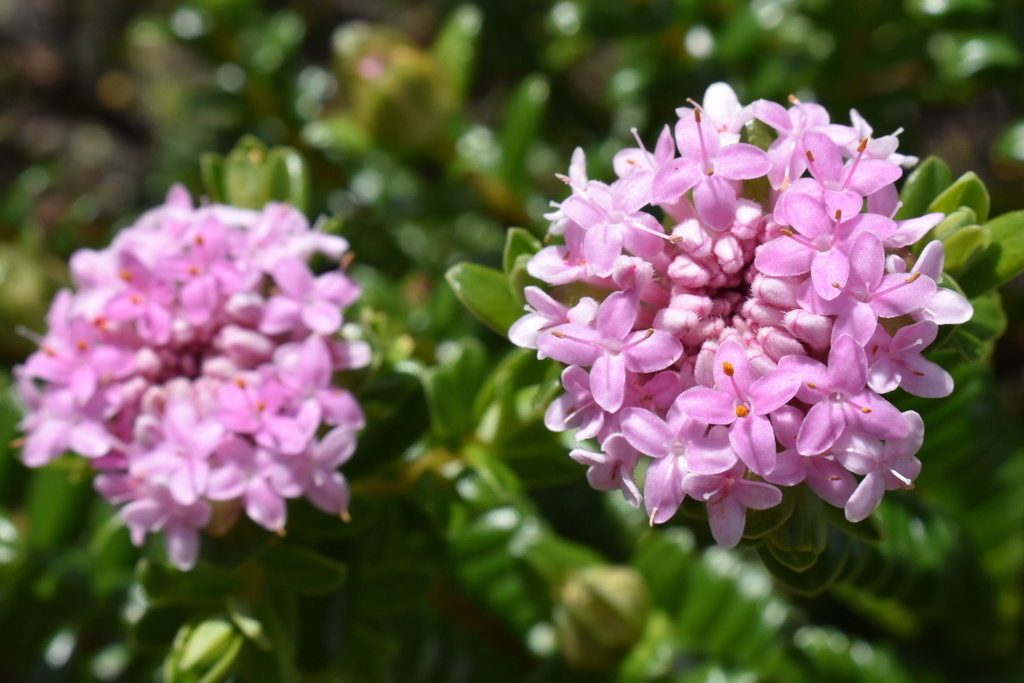
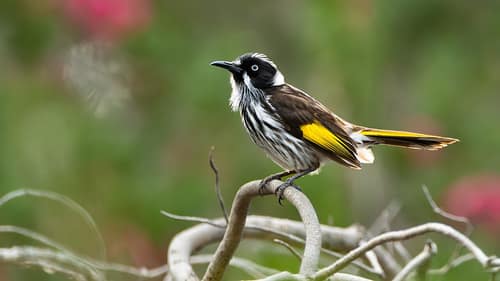
 Image unavailable