
Fungus · GBIF taxon 3410352
Black-Bearded Lichen
Usnea antarcticaAlso known as Antarctic Beard Lichen, Antarctic Usnea
Black-bearded lichen forms dense, shrubby tufts on exposed Antarctic rocks, anchored firmly against howling polar winds. Its pale yellow-green branches terminate in dark, blackish tips covered with tiny reproductive structures called soredia. Growing at an agonizingly slow pace, this resilient symbiont survives extreme freezing, prolonged darkness, and intense ultraviolet radiation.
AntarcticFruticoseExtreme Survival


—observations
—countries
—peak records
Not EvaluatedConservation statusIUCN Red List categoriesLCNTVUENCREWEXNot Evaluated — not placed on the risk ladderRed List categories, explained →
Diet & prey
- Photosynthetic (symbiotic green algae)
Predators
- Mites
- Springtails
ThreatsClimate change and localized physical trampling
HabitatsAntarctic rocky outcrops, fellfields, and coastal cliffs
Life spanDecades to centuries
Size / weightNot available
Classification
- FamilyParmeliaceae
- SpeciesUsnea antarctica
Range data is not available yet.
Interaction riskLow
- Low
- Moderate
- High
- Very high
- Why interaction risk is low
- Safe to observe at a normal distance.
- What to notice
- Look for bushy, yellow-green tufts with dark, spiky branch tips clinging to bare polar rocks.
- Support conservation
- Remain on marked trails and avoid touching or stepping on rock surfaces in polar ecosystems.
Responsible observation
- Mind Your Step: Avoid walking on lichen-covered rocks, as recovery from trampling takes decades in cold climates.
- Look for Soredia: Inspect the branch tips with a hand lens to see the dark reproductive granules.
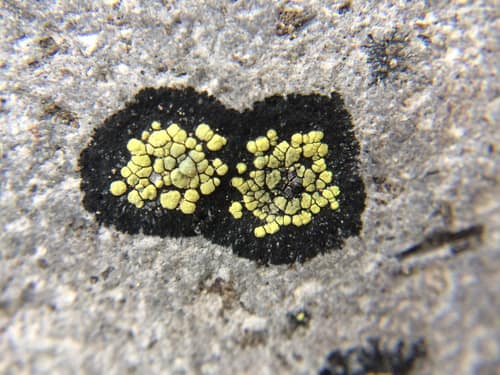
Co-Occurring Lichen (c) Jeffrey Lee (he/him/his), some rights reserved (CC BY) · cc-by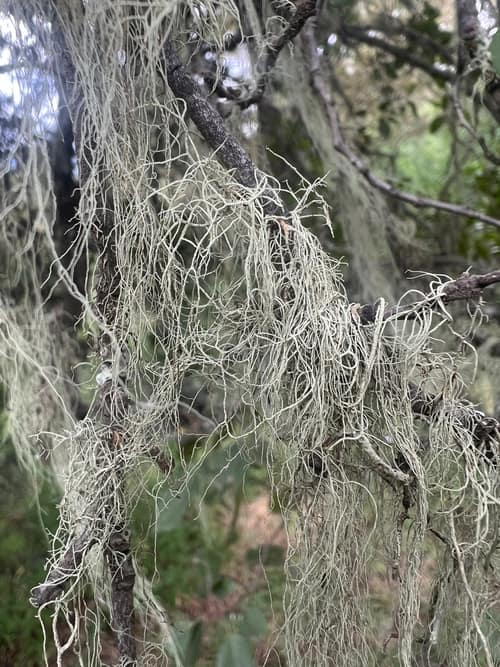
Close Relative (c) Bastian Greshake Tzovaras, some rights reserved (CC BY), uploaded by Bastian Greshake Tzovaras · cc-by
Help improve the field guideSomething wrong?
Checking your Fauna account…Report a name, category, or profile issue for review.