
Fungus · GBIF taxon 3354530
Violet-gray Bolete
Tylopilus violatinctusAlso known as Violet Bolete, Lilac-Tinged Bolete
Violet-gray boletes are striking mycorrhizal fungi characterized by their pale lilac to violet-tinged caps when young, which gradually fade into subtle gray and tan tones with maturity. Emerging across eastern North American hardwood forests, they form critical subterranean partnerships with the root networks of deciduous trees like oaks and beeches. Their pore surface begins creamy white before turning a characteristic pinkish-brown as spores develop, while the flesh remains persistently and intensely bitter.
MycorrhizalForest FloorMushroom
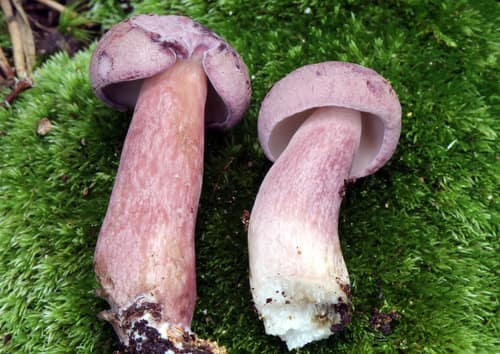
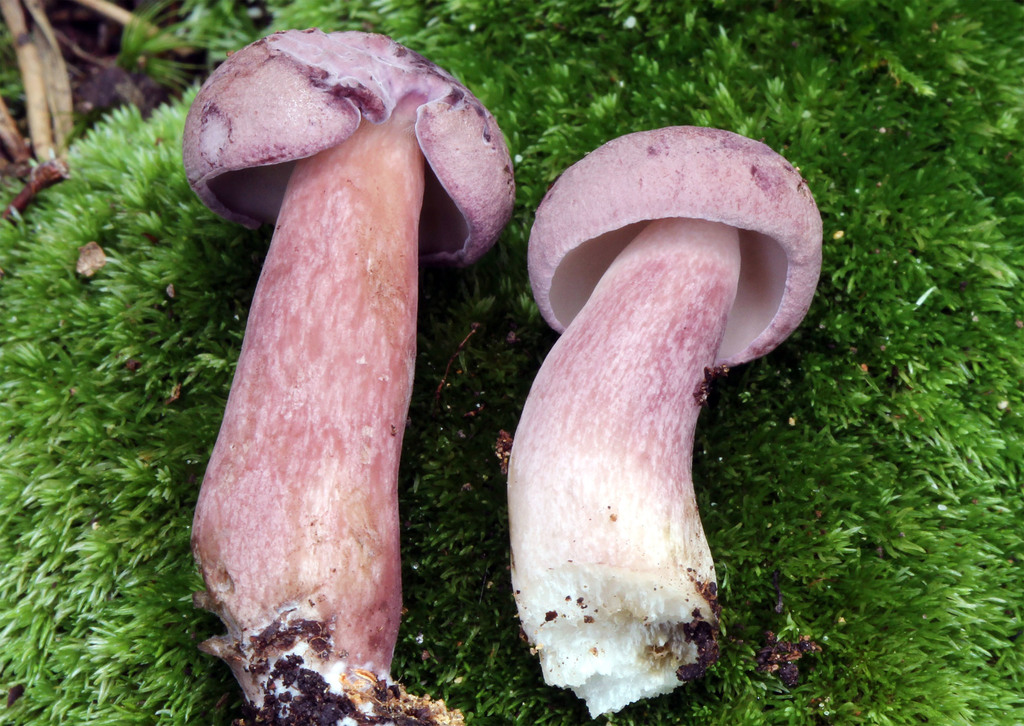
—observations
—countries
—peak records
Not EvaluatedConservation statusIUCN Red List categoriesLCNTVUENCREWEXNot Evaluated — not placed on the risk ladderRed List categories, explained →
Diet & prey
- Mycorrhizal symbiosis (exchanges water and soil minerals for host tree sugars)
Predators
- Fungus gnat larvae
- Slugs
- Eastern chipmunk
ThreatsDeforestation, heavy soil compaction, and severe drought
HabitatsDeciduous and mixed forests, particularly under oak, beech, and pine
Life spanFruiting body persists 5–12 days; underground mycelium can live for decades
Size / weightNot available
Classification
- FamilyBoletaceae
- SpeciesTylopilus violatinctus
Range data is not available yet.
Interaction riskLow
- Low
- Moderate
- High
- Very high
- Why interaction risk is low
- Many edible mushrooms have toxic look-alikes; never eat wild fungi based on app identification alone.
Responsible observation
- Spore Observation: Note how pores change from white to pinkish-tan with maturity.
- Habitat Inspection: Look closely around the root zones of mature oaks and beeches.
- Gentle Study: Avoid kicking or crushing to preserve spore dispersal in the soil.
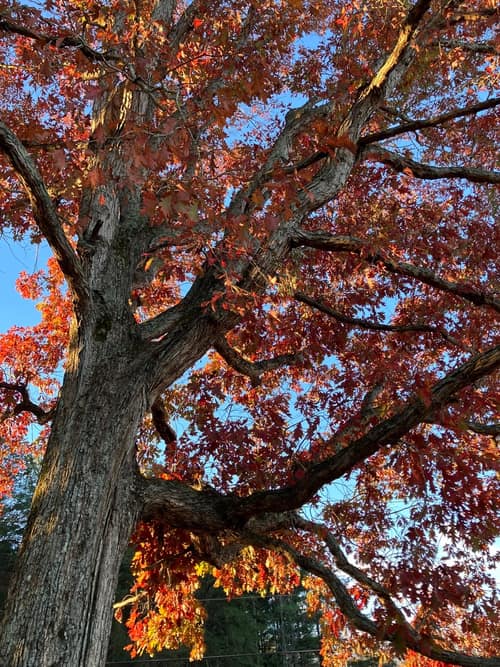
Host Plant (c) Alicia Ballard, some rights reserved (CC BY) · cc-by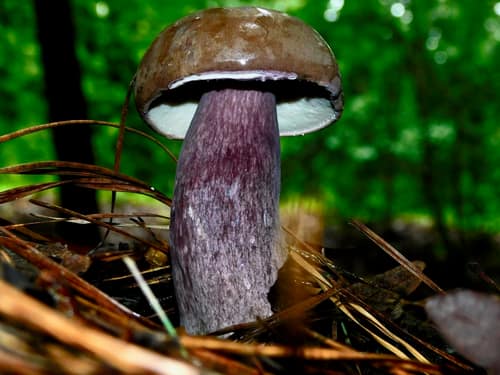
Close Relative (c) Michael J. Papay, some rights reserved (CC BY), uploaded by Michael J. Papay · cc-by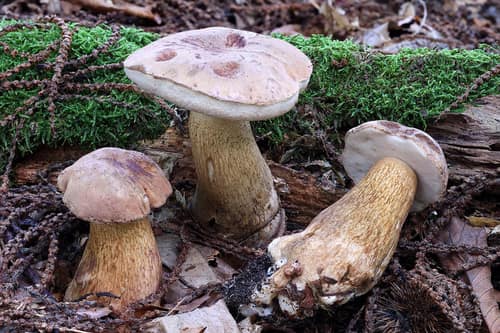
Close Relative (c) Daniel Ghyselinck, some rights reserved (CC BY), uploaded by Daniel Ghyselinck · cc-by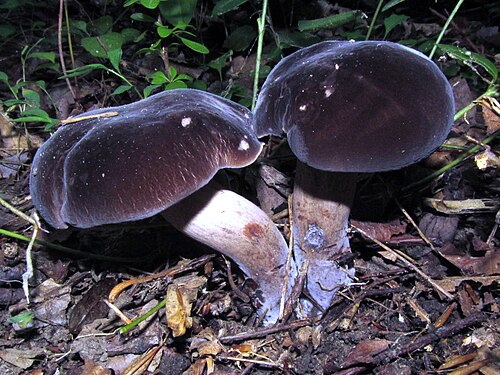
Close Relative This image was created by user Martin Livezey (MLivezey) at Mushroom Observer, a source for mycological images.You can contact this user here. / CC BY-SA 3.0 · cc-by-sa
Help improve the field guideSomething wrong?
Checking your Fauna account…Report a name, category, or profile issue for review.