
Fungus · GBIF taxon 3350173
Viscid Violet Cort
Cortinarius iodesAlso known as Spotted Cort
Viscid violet corts emerge across eastern North American deciduous woods during late summer and autumn, forming vital mycorrhizal partnerships with oaks and beeches. Young caps gleam with a thick, gelatinous purple slime coat that gradually develops yellowish bleached spots as the fruiting body expands and dries. A delicate web-like cortina covers the immature lilac gills, eventually tearing to catch a dusty coating of rusty brown spores.
MycorrhizalForestPurple
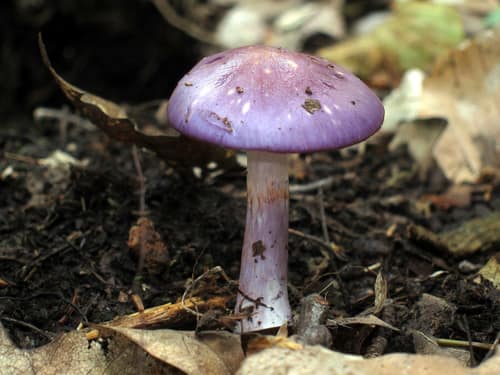
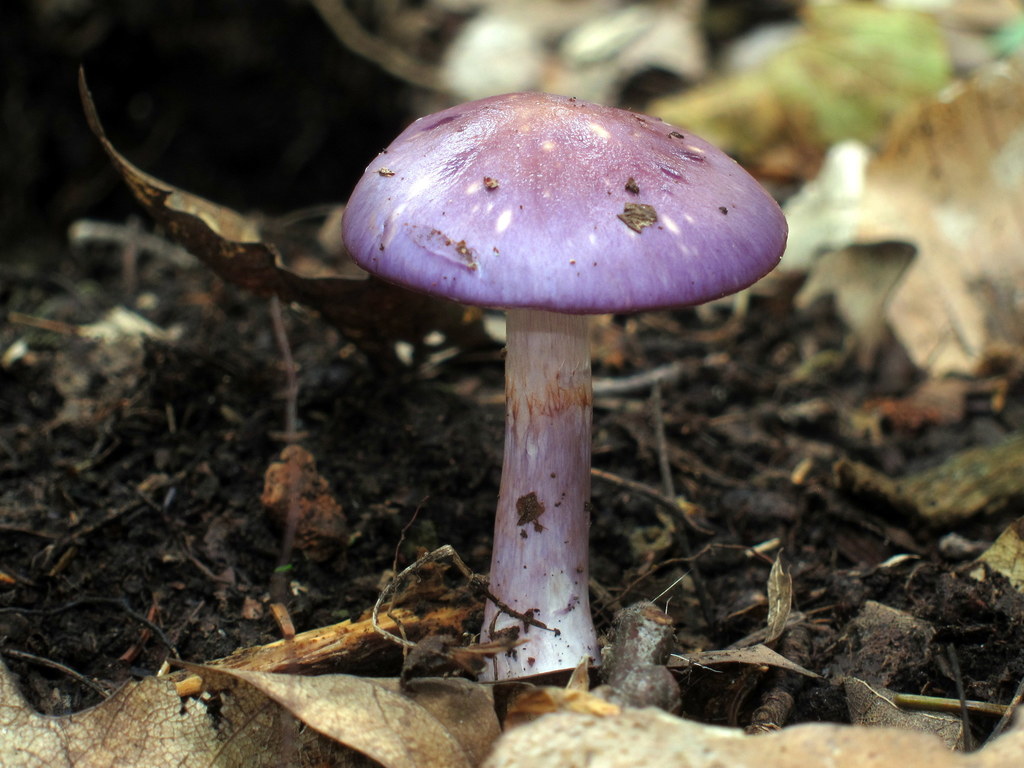
—observations
—countries
—peak records
Not EvaluatedConservation statusIUCN Red List categoriesLCNTVUENCREWEXNot Evaluated — not placed on the risk ladderRed List categories, explained →
Diet & prey
- Mycorrhizal nutrient exchange
Predators
- Slugs
- Fungus gnat larvae
- Woodland rodents
ThreatsDeforestation, soil compaction, and severe woodland disturbance
HabitatsDeciduous and mixed forests, particularly under oak and beech
Life spanFruiting bodies last 4–8 days; mycelial network persists indefinitely
Size / weightNot available
Classification
- OrderAgaricales
- FamilyCortinariaceae
- GenusCortinarius
- SpeciesCortinarius iodes
Range data is not available yet.
Interaction riskHigh
- Low
- Moderate
- High
- Very high
- Why interaction risk is high
- Many edible mushrooms have toxic look-alikes; never eat wild fungi based on app identification alone.
Responsible observation
- Spore Print: Place a mature cap gill-side down on white paper overnight to view the rusty brown spores.
- Cap Slime: Touch the viscid cap with a dry leaf to confirm the presence of its thick gelatinous slime layer.
- Habitat Scouting: Search damp leaf litter around mature oak and beech trees two to three days after heavy late-summer rains.
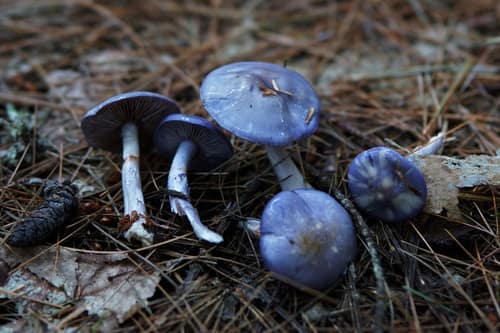
Look-alike (c) Erlon Bailey, some rights reserved (CC BY-SA), uploaded by Erlon Bailey · cc-by-sa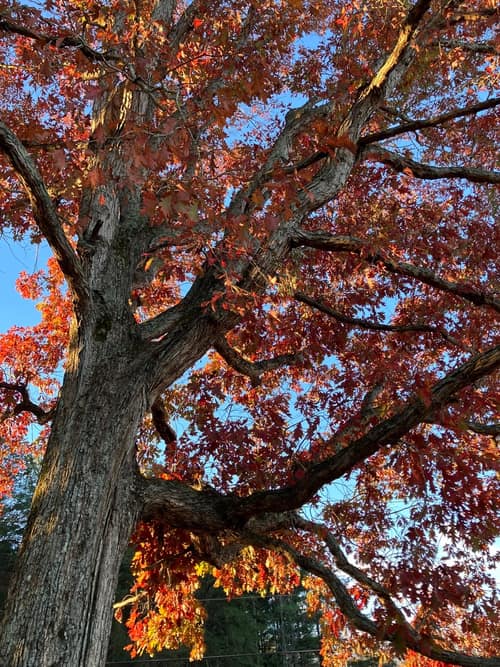
Host Plant (c) Alicia Ballard, some rights reserved (CC BY) · cc-by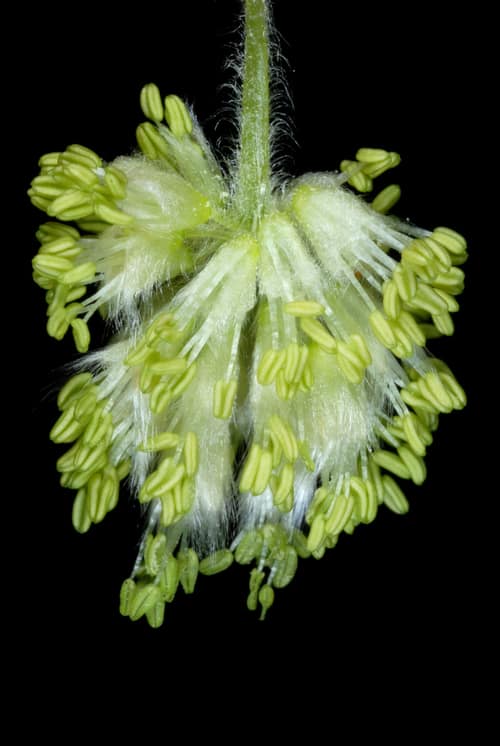
Host Plant (c) Douglas Goldman, some rights reserved (CC BY-SA), uploaded by Douglas Goldman · cc-by-sa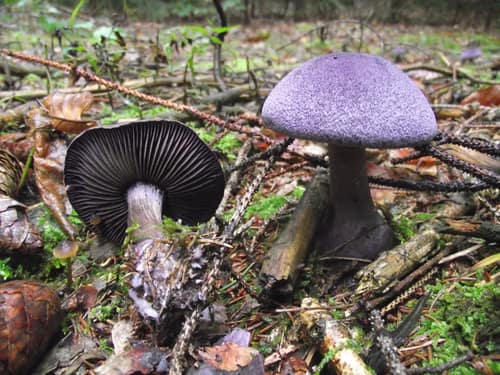
Close Relative (c) Davide Puddu, some rights reserved (CC BY), uploaded by Davide Puddu · cc-by
Help improve the field guideSomething wrong?
Checking your Fauna account…Report a name, category, or profile issue for review.