
Fungus
Ruby Bonnet
Cruentomycena viscidocruentaAlso known as Ruby Mycena
Ruby bonnets produce tiny, brilliant crimson caps that glisten with a sticky, viscid coating in damp austral woodlands. Growing solitary or in small clusters on decaying bark, twigs, and leaf litter, these fungi act as important saprotrophs by decomposing organic matter. Their intense red coloration and dark red stems make them a striking find along moist forest floors in Australia and New Zealand.
SmallVibrantFungus

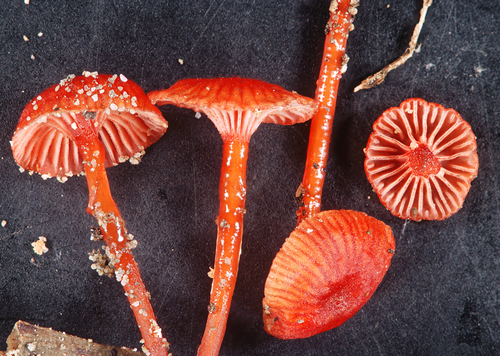
—observations
—countries
—peak records
Not EvaluatedConservation statusIUCN Red List categoriesLCNTVUENCREWEXNot Evaluated — not placed on the risk ladderRed List categories, explained →
Diet & preyDecaying wood, Leaf litter, Organic debris
Predators
- Slugs
- Snails
- Fungus gnat larvae
ThreatsHabitat loss and forest clearing
HabitatsMoist temperate forests, rainforests, and damp woodlands
Life spanEphemeral fruit bodies (3–7 days); mycelium lives indefinitely
Classification
- FamilyMycenaceae
- SpeciesCruentomycena viscidocruenta
Range data is not available yet.
Interaction riskLow
- Low
- Moderate
- High
- Very high
- Why interaction risk is low
- Wild fungi have toxic look-alikes; never ingest wild mushrooms based on identification apps alone.
Responsible observation
- Look for Moisture: Search on damp, fallen branches and leaf litter after recent rainfall.
- Inspect the Cap: Gently check for the sticky, slimy coating characteristic of young caps.
- Observe Undisturbed: Leave fruit bodies intact to allow natural spore dispersal.
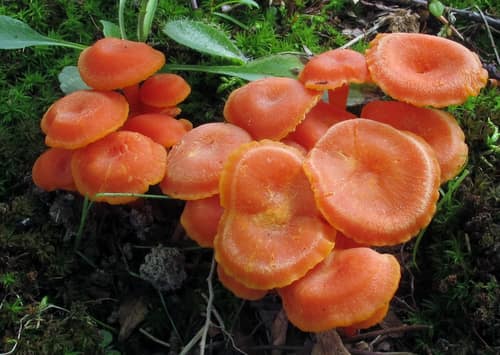
Look-Alike (c) mycowalt, some rights reserved (CC BY-SA), uploaded by mycowalt · cc-by-sa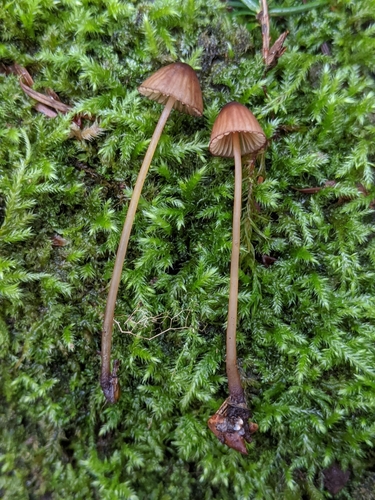
Close Relative (c) Sharon Squazzo, some rights reserved (CC BY), uploaded by Sharon Squazzo · cc-by Image unavailable
Genus Relative
Help improve the field guideSomething wrong?
Checking your Fauna account…Report a name, category, or profile issue for review.