
Fungus · GBIF taxon 3317043
Panaeolus antillarum
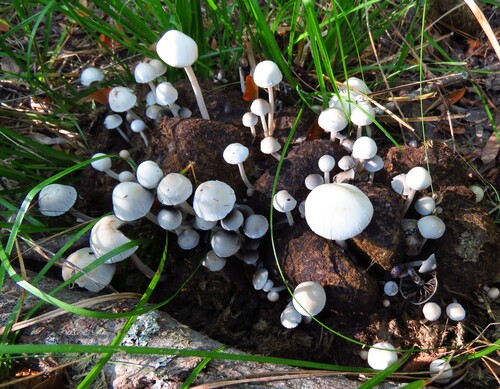
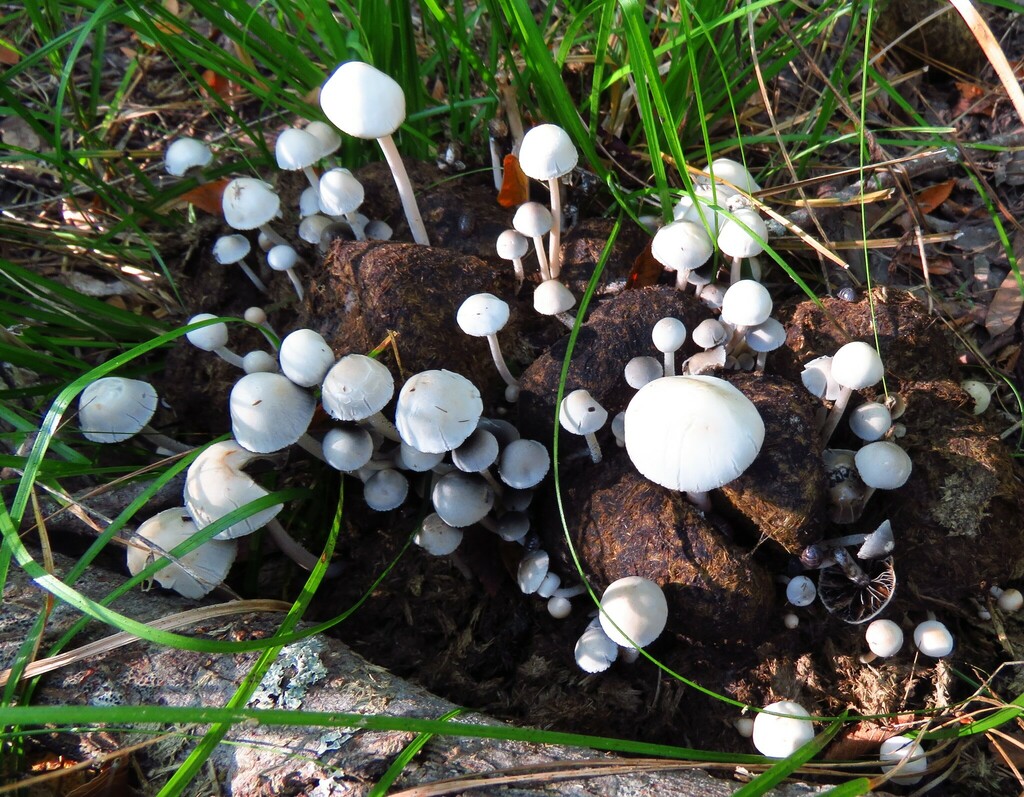
Panaeolus antillarumPanaeolus antillarum is a robust, dung-loving mushroom recognized by its smooth, chalky white to silvery-grey cap that often develops fine surface fissures as it dries. Unlike many delicate relatives in its genus, it features surprisingly thick, firm flesh and mottled grey-to-black gills producing deep jet-black spores. It plays an essential ecological role across tropical and warm-temperate pastures, breaking down herbivore manure into nutrient-rich organic matter.
CoprophilousPastureSpore-Bearing
—observations
—countries
—peak records
Not EvaluatedConservation statusIUCN Red List categoriesLCNTVUENCREWEXNot Evaluated — not placed on the risk ladderRed List categories, explained →
Diet & prey
- Saprotrophic (decomposing dung and organic matter)
Predators
- Fungus gnat larvae
- Slugs
- Dung beetles
ThreatsIntensive agricultural pesticide use and widespread pasture alteration
HabitatsPastures, grasslands, and agricultural fields with livestock manure
Life spanSeveral days per fruiting body; mycelium persists indefinitely
Classification
- FamilyBolbitiaceae
- SpeciesPanaeolus antillarum
Range data is not available yet.
Interaction riskLow
- Low
- Moderate
- High
- Very high
- Why interaction risk is low
- Many wild mushrooms have toxic look-alikes; never eat wild fungi based on app identification alone.
Responsible observation
- Look on Manure: Search sunny, weathered cow and horse droppings in pastures after warm seasonal rain.
- Observe Spore Prints: Take a spore print on white paper to see its dense, jet-black spore deposit.
- Examine Gills: Look under the cap to see the characteristic patchy, mottled appearance of mature gills.
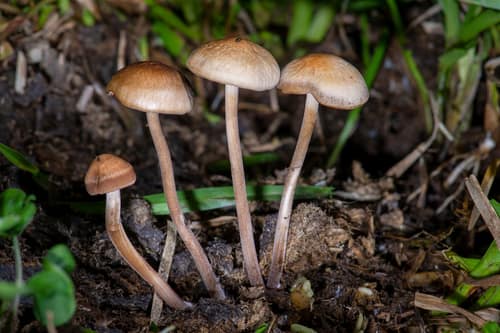
Same Genus (c) Alan Rockefeller, some rights reserved (CC BY), uploaded by Alan Rockefeller · cc-by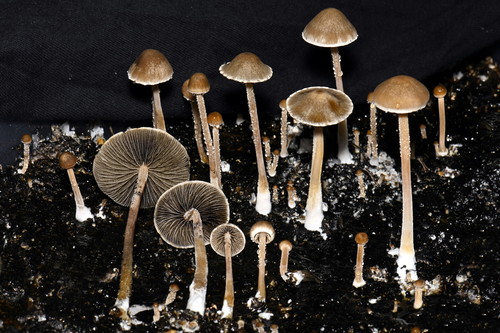
Same Genus (c) Alan Rockefeller, some rights reserved (CC BY) · cc-by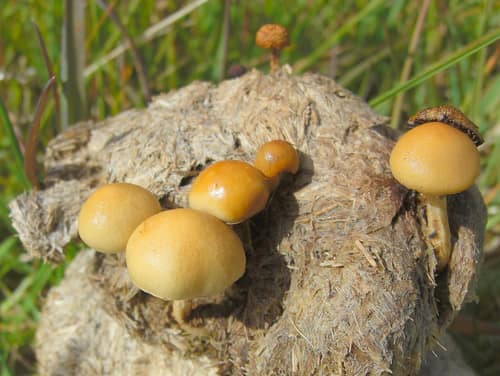
Habitat Competitor Jason Hollinger / CC BY-SA 3.0 · cc-by-sa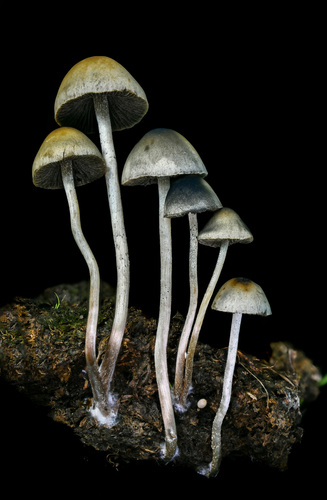
Close Relative (c) Alan Rockefeller, some rights reserved (CC BY), uploaded by Alan Rockefeller · cc-by
Help improve the field guideSomething wrong?
Checking your Fauna account…Report a name, category, or profile issue for review.