
Fungus · GBIF taxon 3315097
Sandy Stinkhorn
Itajahya roseaAlso known as Pink Stinkhorn, Rosy Stinkhorn
Sandy stinkhorns emerge from subterranean egg-like structures buried in loose, sandy soils, rapidly expanding into erect stalks topped with a sticky, spore-laden gleba. A delicate pinkish tint on the underlying cap tissue distinguishes them from many related stinkhorn fungi. Their powerful odor of decaying organic matter attracts flies and carrion beetles that inadvertently transport spores across arid landscapes.
FungusStinkhornSand-Dwelling
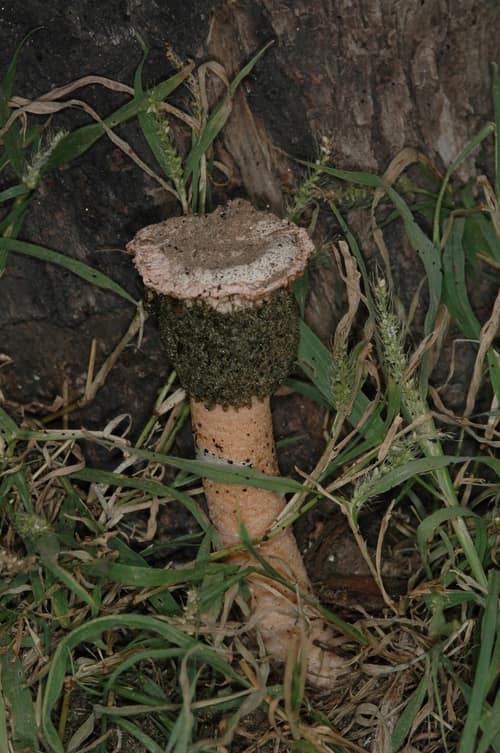
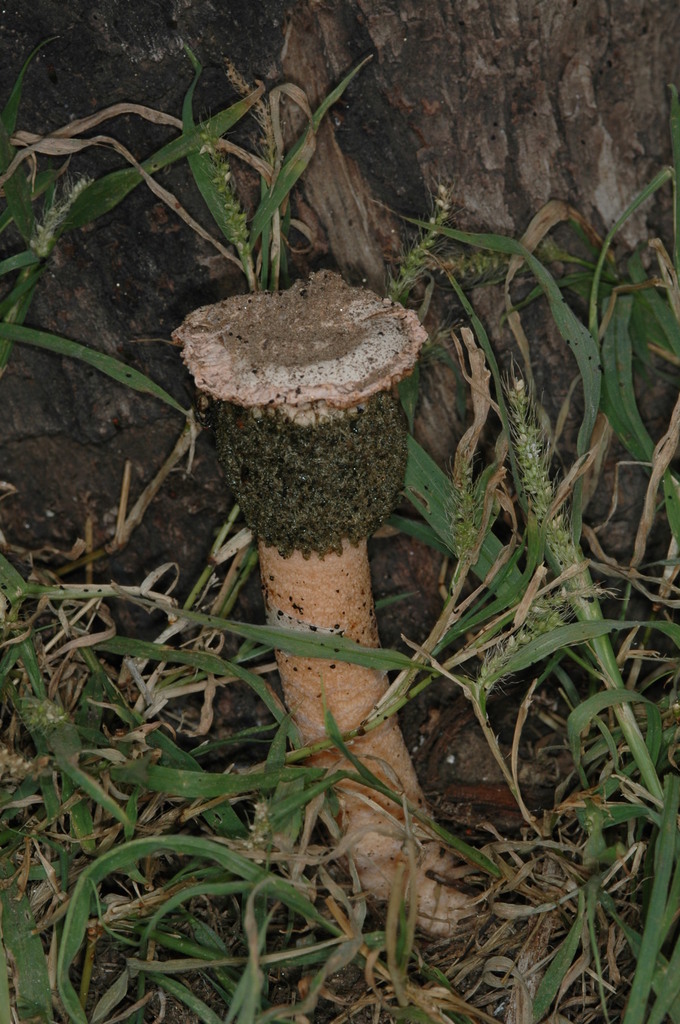
—observations
—countries
—peak records
Not EvaluatedConservation statusIUCN Red List categoriesLCNTVUENCREWEXNot Evaluated — not placed on the risk ladderRed List categories, explained →
Diet & prey
- Saprotrophic (decomposes organic matter in sandy soils)
Predators
- Flies
- Carrion Beetles
- Mites
ThreatsCoastal development, off-road vehicle damage, dune stabilization
HabitatsCoastal dunes, sandy deserts, arid scrublands, dry grasslands
Life spanFruiting body lasts 12–48 hours; underground mycelium persists perennially
Size / weightNot available
Classification
- FamilyPhallaceae
- SpeciesItajahya rosea
Range data is not available yet.
Interaction riskLow
- Low
- Moderate
- High
- Very high
- Why interaction risk is low
- Many wild fungi have dangerous look-alikes; never ingest wild mushrooms based on app identification.
Responsible observation
- Olfactory Cues: Follow strong, unpleasant odors near sandy soils to locate emerging fruiting bodies.
- Act Quickly: Photograph mature specimens promptly, as the soft stalk collapses within a single day.
- Check the Base: Look for the gelatinous subterranean egg structure partially buried in sand.
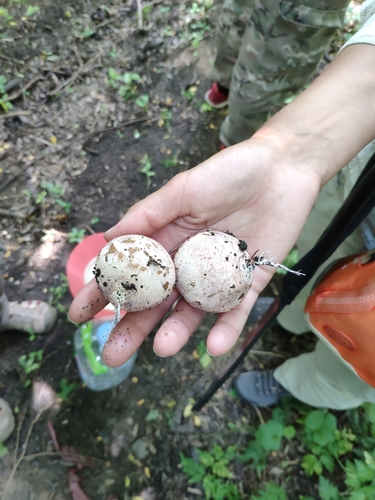
Close Relative (c) Denys Vynokurov, some rights reserved (CC BY), uploaded by Denys Vynokurov · cc-by
Close Relative Jörg Hempel / CC BY-SA 3.0 de · cc-by-sa
Relative (c) Tina Ellegaard Poulsen, some rights reserved (CC BY), uploaded by Tina Ellegaard Poulsen · cc-by Image unavailable
Relative
Help improve the field guideSomething wrong?
Checking your Fauna account…Report a name, category, or profile issue for review.