
Species
Common Kelp
Ecklonia radiataAlso known as Golden Kelp, Spiny Kelp, Leather Kelp
Common kelp anchors to wave-swept rocky reefs with a gnarled, root-like holdfast and a tough, flexible stipe that bends with the surge. Its leathery, golden-brown blades bear distinctive surface corrugations and small marginal spines, creating dense underwater canopies from the low tide line down to 40 meters. Across southern Australia's Great Southern Reef, New Zealand, and South Africa, these forests shelter fish, abalone, and lobsters while fueling coastal food webs with shed organic matter.
MarineReef-formingPhotosynthetic
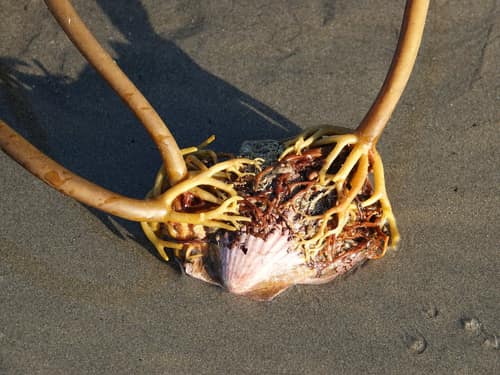
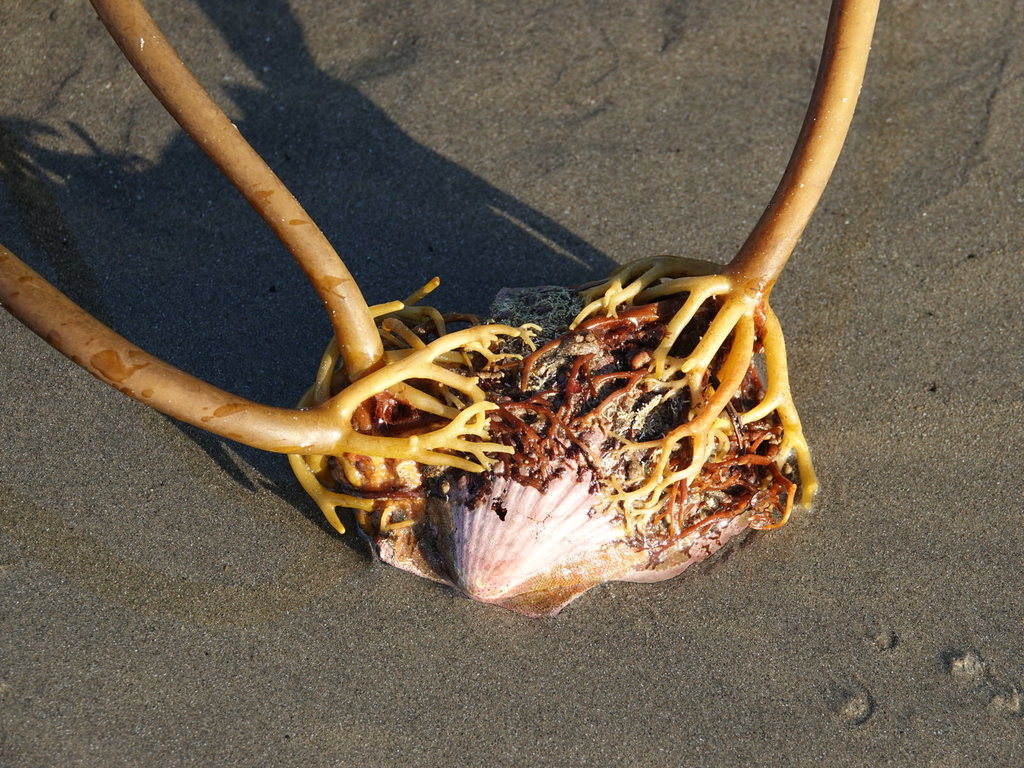
—observations
—countries
—peak records
Not EvaluatedConservation statusIUCN Red List categoriesLCNTVUENCREWEXNot Evaluated — not placed on the risk ladderRed List categories, explained →
Diet & preySunlight, Dissolved nitrates, Carbon dioxide
Predators
- Long-spined Sea Urchin
- Blacklip Abalone
- Herring Cale
ThreatsMarine heatwaves, ocean warming, sea urchin overgrazing, coastal runoff, and sedimentation
HabitatsSubtidal and low intertidal rocky reefs in temperate to subtropical waters, from near the surface to 40 m deep
Life span3–10 years
Classification
- FamilyLessoniaceae
- SpeciesEcklonia radiata
Range data is not available yet.
Interaction riskLow
- Low
- Moderate
- High
- Very high
- Why interaction risk is low
- Safe to observe at a normal distance.
Responsible observation
- Viewing: Snorkel or dive along rocky subtidal reefs during calm swell to observe intact underwater canopies.
- Beachcombing: Inspect storm-cast fronds on shore to spot the leathery, spiny-edged blades and branched holdfast.
- Stewardship: Avoid trampling intertidal holdfasts and rinse dive gear between sites to prevent spreading marine pests.
 Image unavailable
Predator Predator Frequent Companion Predator 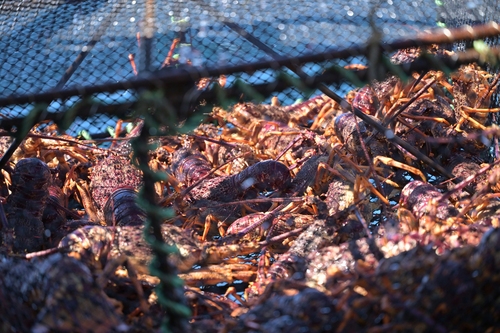
Frequent Companion (c) Christopher Stephens, some rights reserved (CC BY-SA) · cc-by-saClose Relative
Help improve the field guideSomething wrong?
Checking your Fauna account…Report a name, category, or profile issue for review.