
Plant
Indian Mango
Mangifera indicaAlso known as Mango
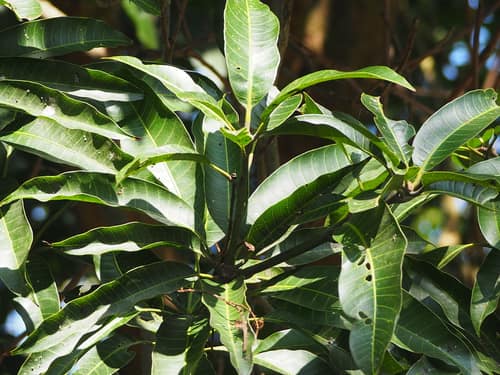
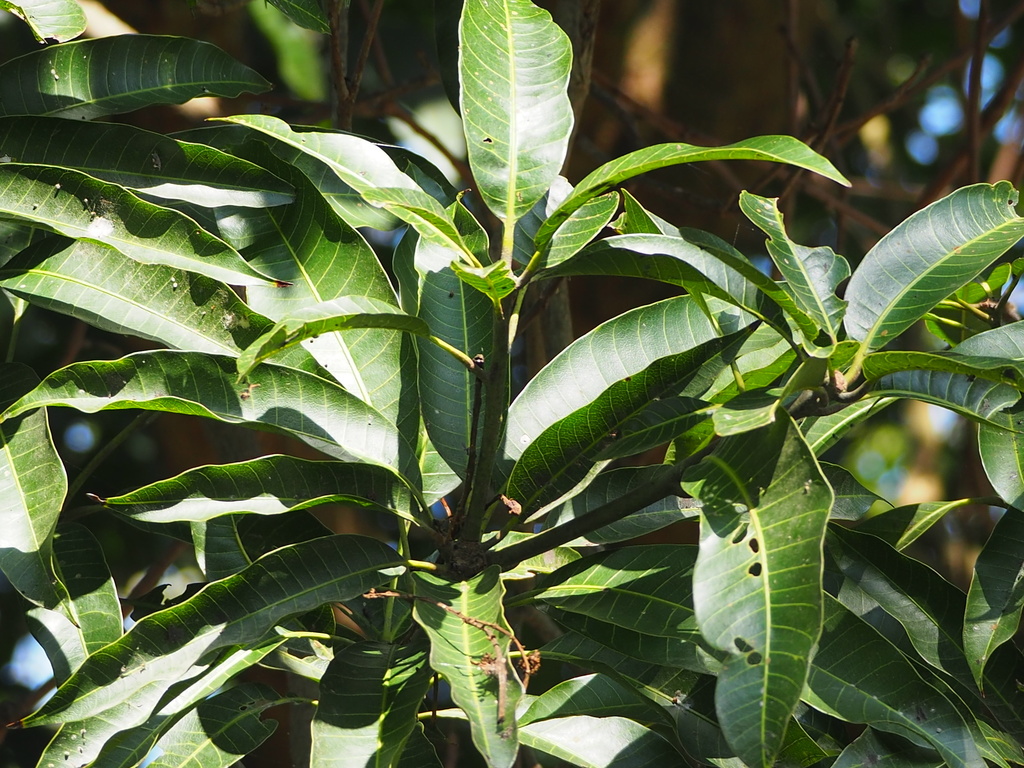
Indian mango is a large evergreen tree with a dense crown, leathery lance-shaped leaves, and clusters of many small flowers. Cultivated varieties produce fleshy stone fruits, while the tree also supplies shade and food for birds, bats, and insects.
Evergreen TreeCultivated CropTropical Canopy
—observations
—countries
—peak records
Data DeficientConservation statusIUCN Red List categoriesLCNTVUENCREWEXData Deficient — not placed on the risk ladderRed List categories, explained →
Diet & preyPhotosynthesis; roots absorb water and mineral nutrients
Predators
- Fruit flies
- Scale insects
- Browsing mammals
ThreatsAnthracnose, insect pests, drought, storms, root damage, and loss of traditional cultivars
HabitatsTropical gardens, orchards, farms, village edges, and seasonally dry lowland forest
Life spanFrequently 100 years or more under favorable conditions
Classification
- OrderSapindales
- FamilyAnacardiaceae
- GenusMangifera
- SpeciesMangifera indica
Range data is not available yet.
Interaction riskLow
- Low
- Moderate
- High
- Very high
- Why interaction risk is low
- Sap and fruit peel can trigger contact dermatitis, especially after poison-ivy sensitivity; look-alikes exist, so never eat wild fruit based on app identification.
- Why it is dangerous
- Mango sap and fruit peel contain contact allergens that can cause an itchy, blistering rash in susceptible people.
- How to recognize a risky encounter
- Confirm long leathery leaves and mango fruit from a distance without touching damaged bark, stems, or fruit peel.
- What to do
- Avoid sap and peel contact, wear protective gloves when contact is unavoidable, and wash exposed skin promptly.
Responsible observation
- Leaves: Note the long leathery leaves clustered near twig ends.
- Caution: Avoid sap contact and observe fallen plant material without tasting it.
Help improve the field guideSomething wrong?
Checking your Fauna account…Report a name, category, or profile issue for review.