
Plant
Fragrant Sumac
Rhus aromaticaAlso known as Aromatic Sumac, Lemon Sumac, Skunk Bush, Polecat Bush
Fragrant sumac forms rambling thickets across dry glades and rocky slopes, spreading via root suckers to anchor thin, vulnerable soils. Clusters of minute yellow flowers emerge in early spring before the foliage expands, developing into fuzzy red drupes that persist into winter as a dependable food supply for songbirds. When bruised or brushed, the trifoliate leaves release a pungent, citrusy herbal aroma that readily distinguishes this harmless shrub from its rash-inducing cousins.
DeciduousShrubAromatic
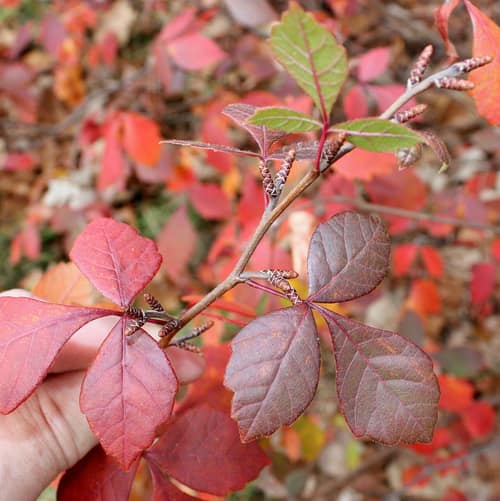
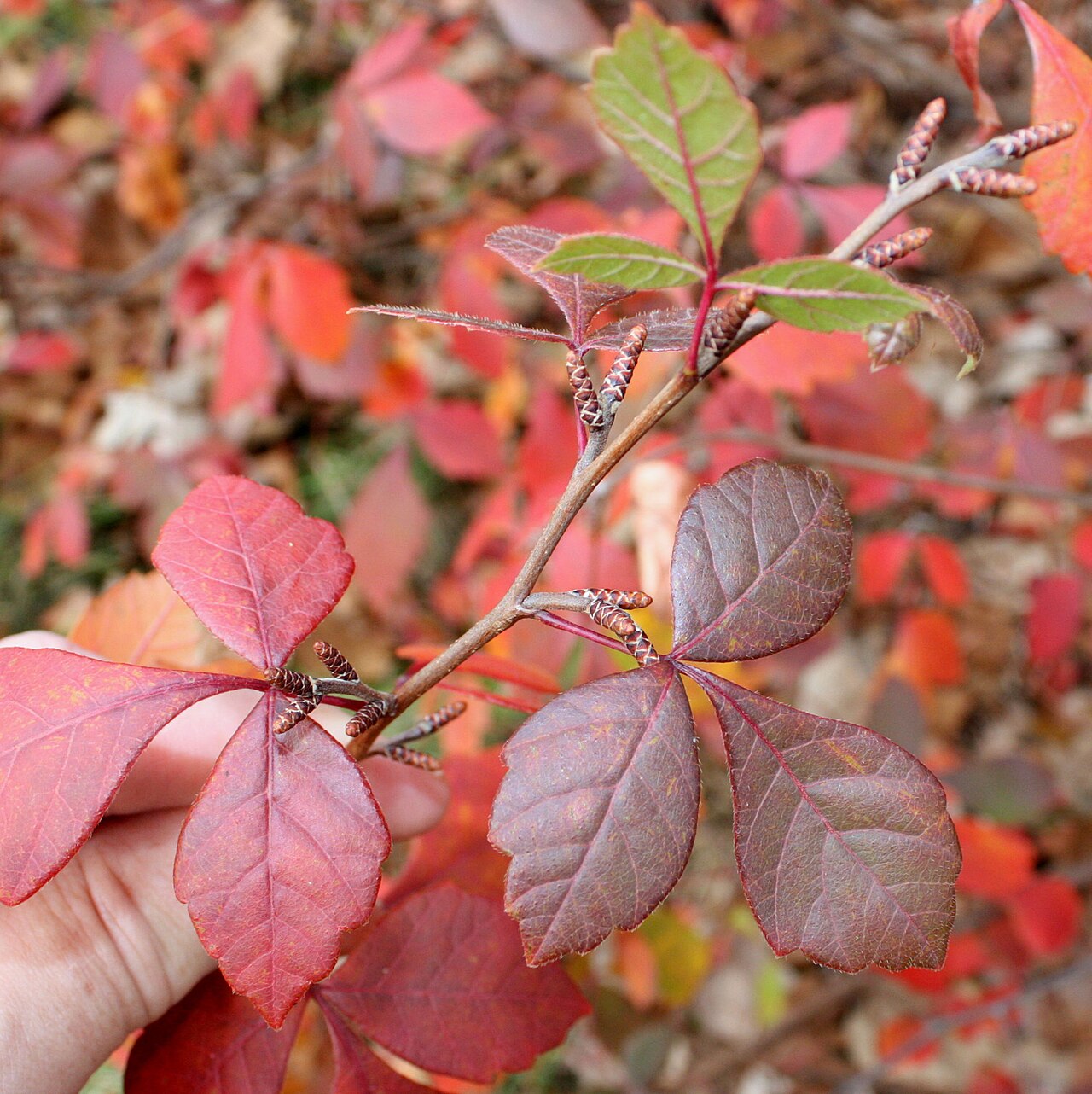
—observations
—countries
—peak records
Least ConcernConservation statusIUCN Red List categoriesLCNTVUENCREWEXLeast ConcernRed List categories, explained →
Diet & preySunlight, Water, Soil Nutrients
Predators
- White-tailed Deer
- Wild Turkey
- Northern Bobwhite
ThreatsHabitat loss, intense fire suppression, and encroachment by invasive woody plants
HabitatsRocky bluffs, open woodlands, glades, thickets, and sand dunes
Life span20–30 years
Classification
- OrderSapindales
- FamilyAnacardiaceae
- GenusRhus
- SpeciesRhus aromatica
Range data is not available yet.
Interaction riskLow
- Low
- Moderate
- High
- Very high
- Why interaction risk is low
- Wild berries have toxic look-alikes; never eat based on app identification alone.
Responsible observation
- Leaf Distinction: Check the middle leaflet, which lacks an extended stalk (petiolule), to differentiate it from poison ivy.
- Scent Assessment: Lightly bruise a fallen or mature leaf between two fingers to detect the distinct lemon-skunk aroma.
- Winter Observing: Scan leafless thickets in snow cover to spot foraging grouse and wintering bluebirds on the persistent red clusters.
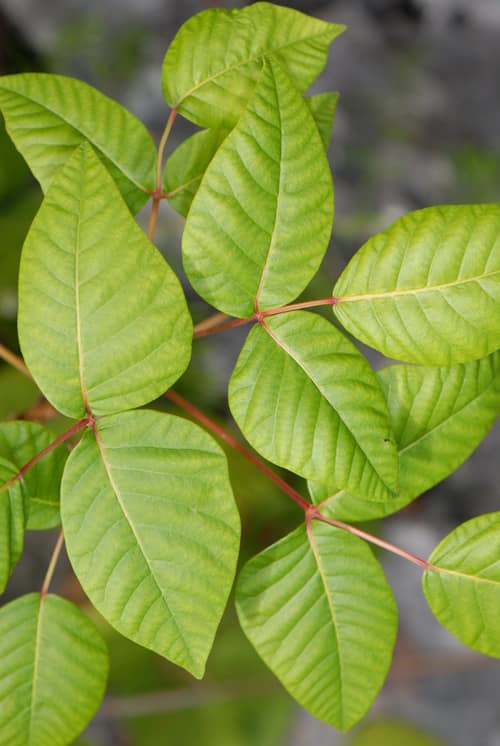
Look-Alike (c) Sam Fraser-Smith, some rights reserved (CC BY) · cc-by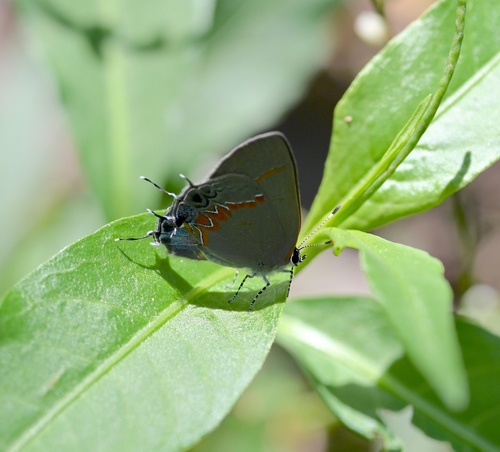
Host Plant (c) Amber M. King, some rights reserved (CC BY) · cc-by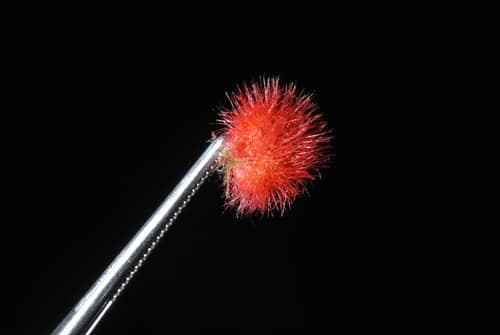
Close Relative (c) Douglas Goldman, some rights reserved (CC BY-SA), uploaded by Douglas Goldman · cc-by-sa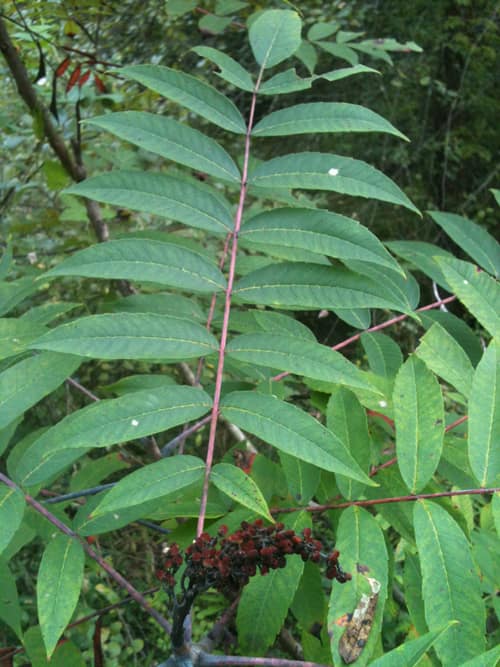
Close Relative (c) botanygirl, some rights reserved (CC BY), uploaded by botanygirl · cc-by
Help improve the field guideSomething wrong?
Checking your Fauna account…Report a name, category, or profile issue for review.