
Plant · GBIF taxon 3190544
Smooth Sumac
Rhus glabraAlso known as Scarlet Sumac, White Sumac, Pennsylvania Sumac
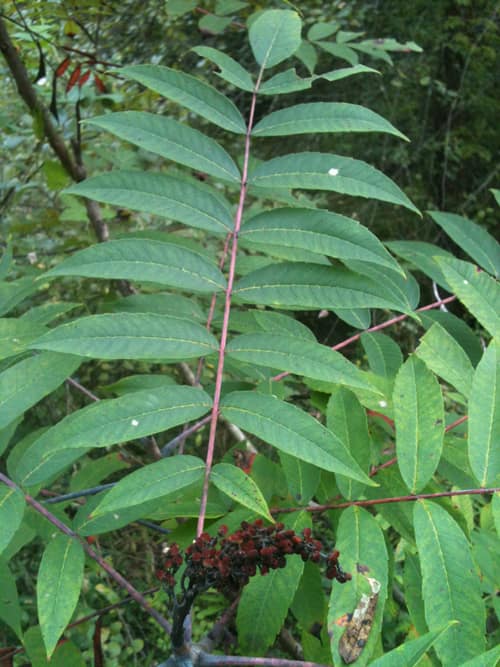
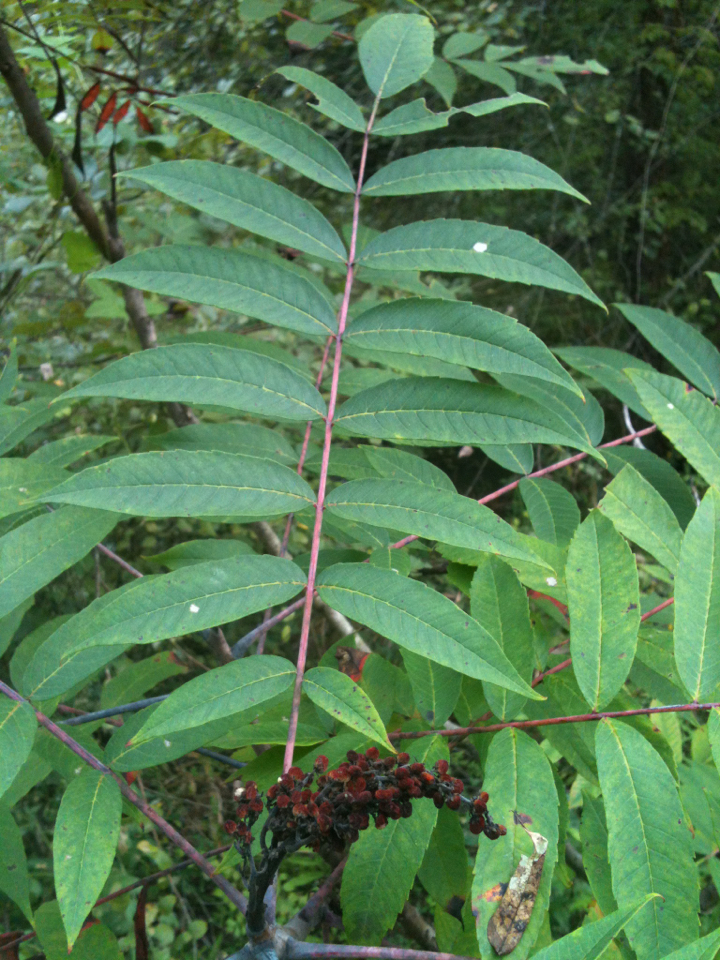
Smooth sumac forms expansive thickets across North American prairies, forest edges, and roadsides through spreading underground rhizomes. Its pinnately compound leaves turn brilliant shades of crimson and scarlet in autumn, creating striking landscape displays. Dense, erect clusters of dark red, fuzzy drupes persist into winter, providing a critical cold-season food source for birds and small mammals.
DeciduousNativeFall Foliage
 1 / 7
1 / 7—observations
—countries
—peak records
Least ConcernConservation statusIUCN Red List categoriesLCNTVUENCREWEXLeast ConcernRed List categories, explained →
Diet & prey
- Sunlight
- Soil Nutrients
- Water
Predators
- White-Tailed Deer
- Eastern Cottontail
- Ruffed Grouse
ThreatsInvasive plant competition, land development
HabitatsPrairies, thickets, forest edges, pastures, roadsides
Life span20–50 years
Classification
- OrderSapindales
- FamilyAnacardiaceae
- GenusRhus
- SpeciesRhus glabra
Range data is not available yet.
Interaction riskLow
- Low
- Moderate
- High
- Very high
- Why interaction risk is low
- Sap can cause mild skin irritation; wild berries have toxic look-alikes, so never ingest unverified plants.
Responsible observation
- Identification: Look for completely hairless glaucous stems and dense, upright clusters of dark red fruit.
- Seasonal Observation: Check thickets in early autumn to witness dramatic fiery leaf color transformations.
- Wildlife Watching: Scan persistent winter berry cones for overwintering songbirds like bluebirds and robins.
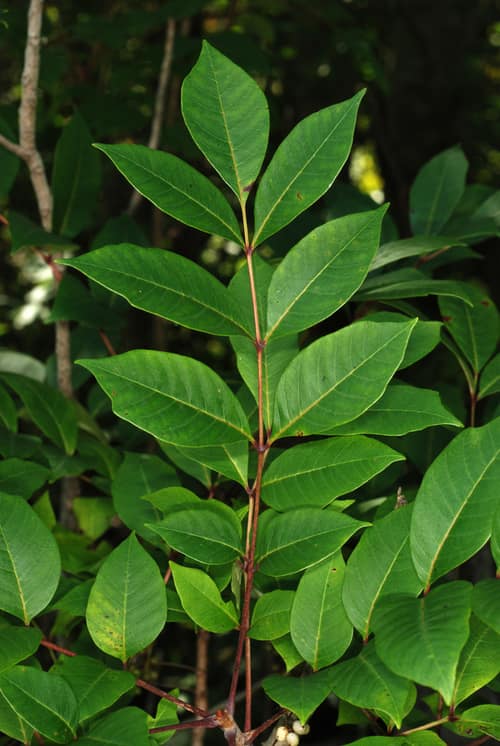
Poisonous Look-Alike (c) Douglas Goldman, some rights reserved (CC BY-SA), uploaded by Douglas Goldman · cc-by-sa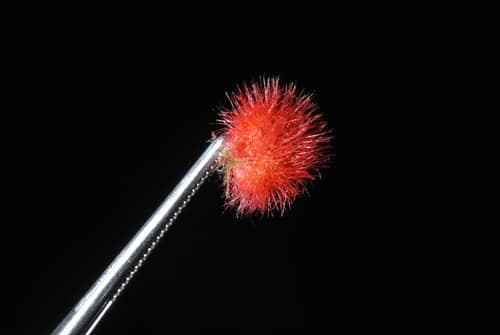
Close Relative (c) Douglas Goldman, some rights reserved (CC BY-SA), uploaded by Douglas Goldman · cc-by-sa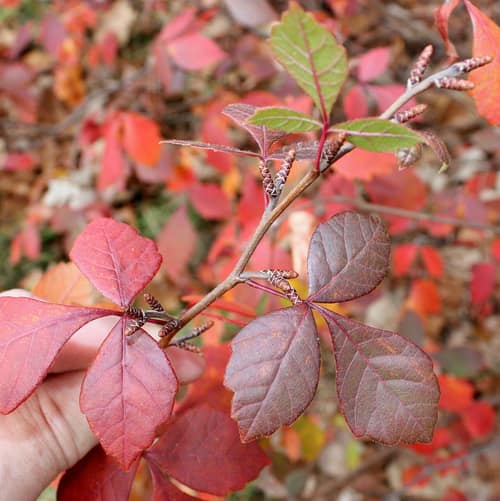
Close Relative Bruce Marlin / CC BY-SA 3.0 · cc-by-sa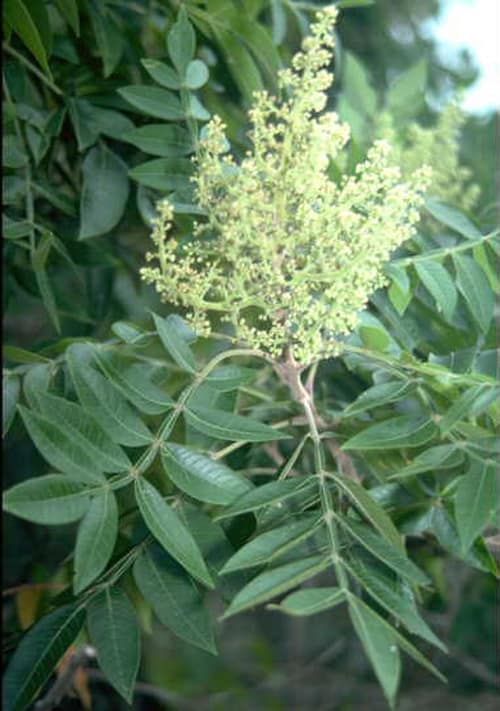
Close Relative Wikimedia Commons / Public domain · cc0
Help improve the field guideSomething wrong?
Checking your Fauna account…Report a name, category, or profile issue for review.