
Plant · GBIF taxon 3190538
Staghorn Sumac
Rhus typhinaAlso known as Velvet Sumac, Vinegar Tree
Staghorn sumac forms dense clonal thickets across eastern North American roadsides, clearings, and forest edges, spreading rapidly through underground rhizomes. Its trademark velvety, thick branches closely resemble deer antlers in velvet, supporting large pinnate leaves that turn brilliant shades of scarlet and orange each autumn. Compact cone-like clusters of fuzzy red drupes persist on female plants through winter, providing crucial emergency forage for songbirds and game birds.
DeciduousVelvety BranchesAutumn Color
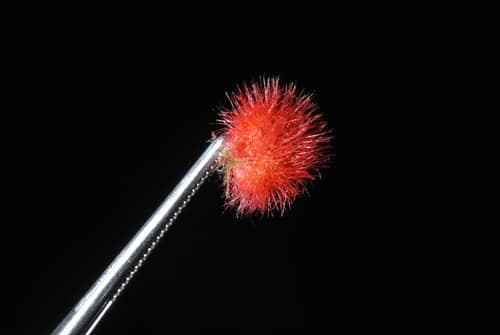
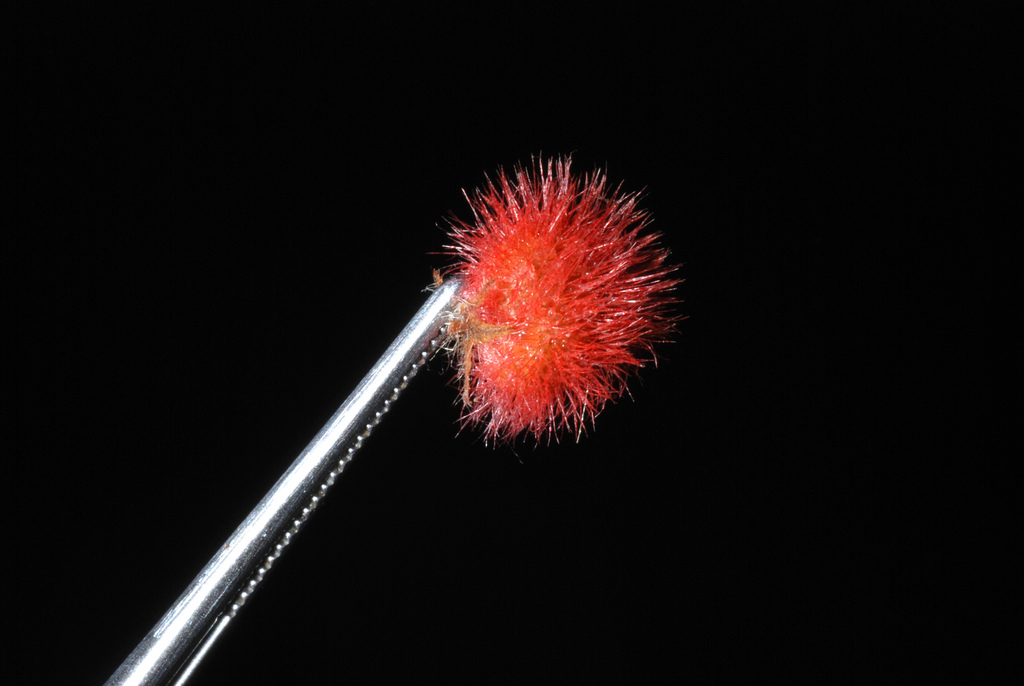 1 / 7
1 / 7—observations
—countries
—peak records
Least ConcernConservation statusIUCN Red List categoriesLCNTVUENCREWEXLeast ConcernRed List categories, explained →
Diet & prey
- Autotrophic
Predators
- White-tailed Deer
- Eastern Cottontail
- Wild Turkey
ThreatsShading by canopy trees, localized brush control
HabitatsOld fields, roadsides, forest margins, disturbed soils
Life span30–50 years
Size / weightNot available
Classification
- OrderSapindales
- FamilyAnacardiaceae
- GenusRhus
- SpeciesRhus typhina
Range data is not available yet.
Interaction riskLow
- Low
- Moderate
- High
- Very high
- Why interaction risk is low
- Sap may cause mild skin irritation, and wild berries have toxic look-alikes. Never consume wild plants based on app identification.
- Why it is dangerous
- Milky sap contains compounds that cause mild contact dermatitis in sensitive individuals, and white-berried poison sumac is a dangerous look-alike.
- How to recognize a risky encounter
- Look for dense velvet on young twigs and upright clusters of fuzzy red berries. Toxic look-alikes feature hairless stems and hanging white berries.
- What to do
- Wear gloves when trimming branches to avoid sap contact, and observe wild thickets from a comfortable distance.
Responsible observation
- Observation: Examine the soft, velvety coating on young spring branches that inspired the common name.
- Winter Identification: Look for lingering cone-like red seed heads standing upright above bare winter branches.
- Safety Precaution: Wear gloves if handling cut stems to prevent milky sap contact with bare skin.
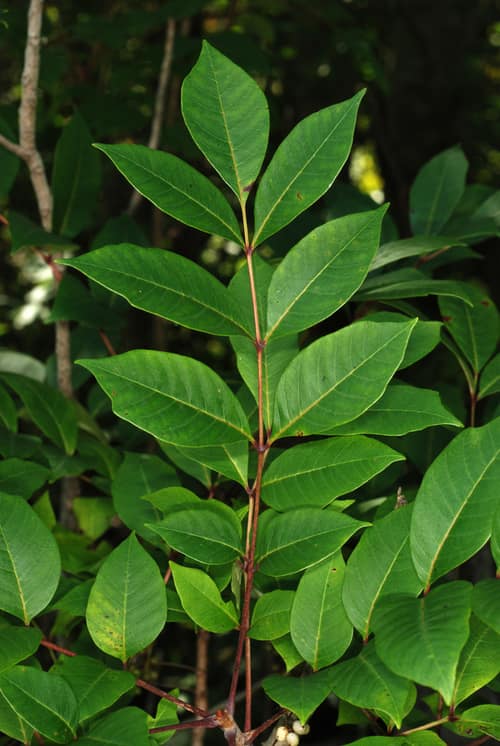
Toxic Look-alike (c) Douglas Goldman, some rights reserved (CC BY-SA), uploaded by Douglas Goldman · cc-by-sa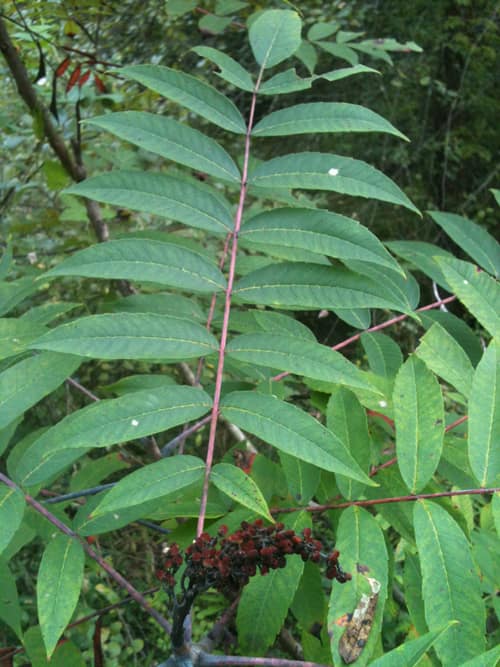
Close Relative (c) botanygirl, some rights reserved (CC BY), uploaded by botanygirl · cc-by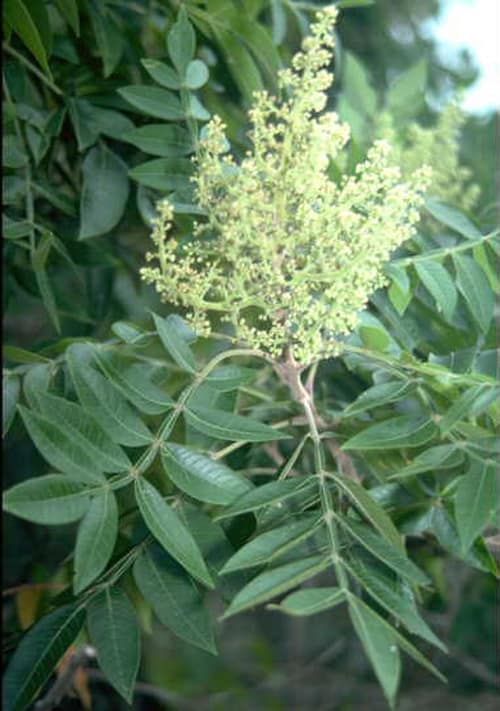
Close Relative Wikimedia Commons / Public domain · cc0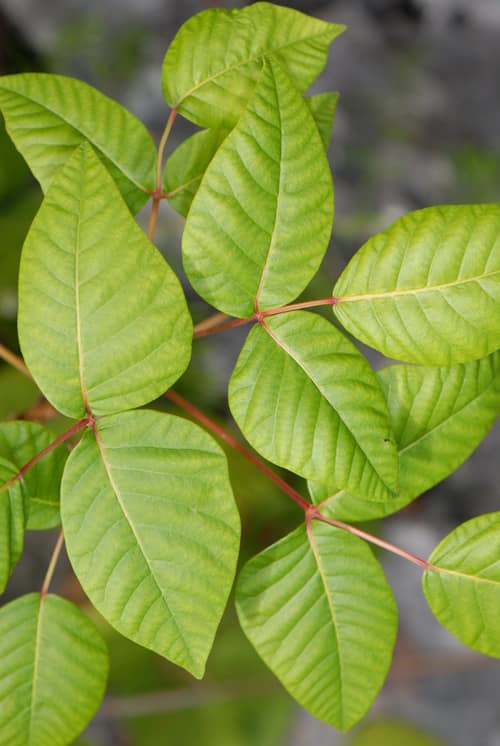
Family Relative (c) Sam Fraser-Smith, some rights reserved (CC BY) · cc-by
Help improve the field guideSomething wrong?
Checking your Fauna account…Report a name, category, or profile issue for review.