
Plant · GBIF taxon 3190485
West Indian Mahogany
Swietenia mahagoniAlso known as Cuban Mahogany, American Mahogany, Small-leaved Mahogany
West Indian mahogany is a canopy-forming hardwood tree recognized by its deeply furrowed gray bark, shiny pinnate leaves, and heavy, wooden seed pods that split open into five distinct valves. Its woody fruit releases winged seeds that spin through the air on autumn breezes, aiding wind-dispersal across island habitats. Once heavily logged for its dense, reddish-brown timber, this resilient evergreen now serves as a key canopy tree and urban shade provider throughout subtropical landscapes.
TreeEvergreenHardwood
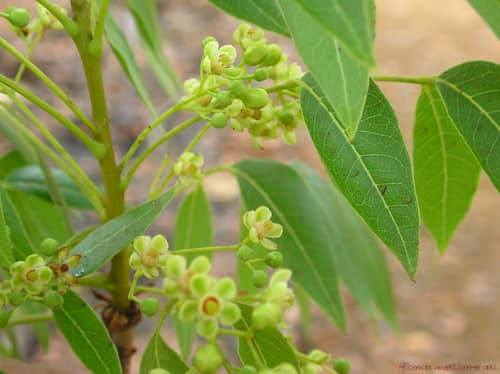
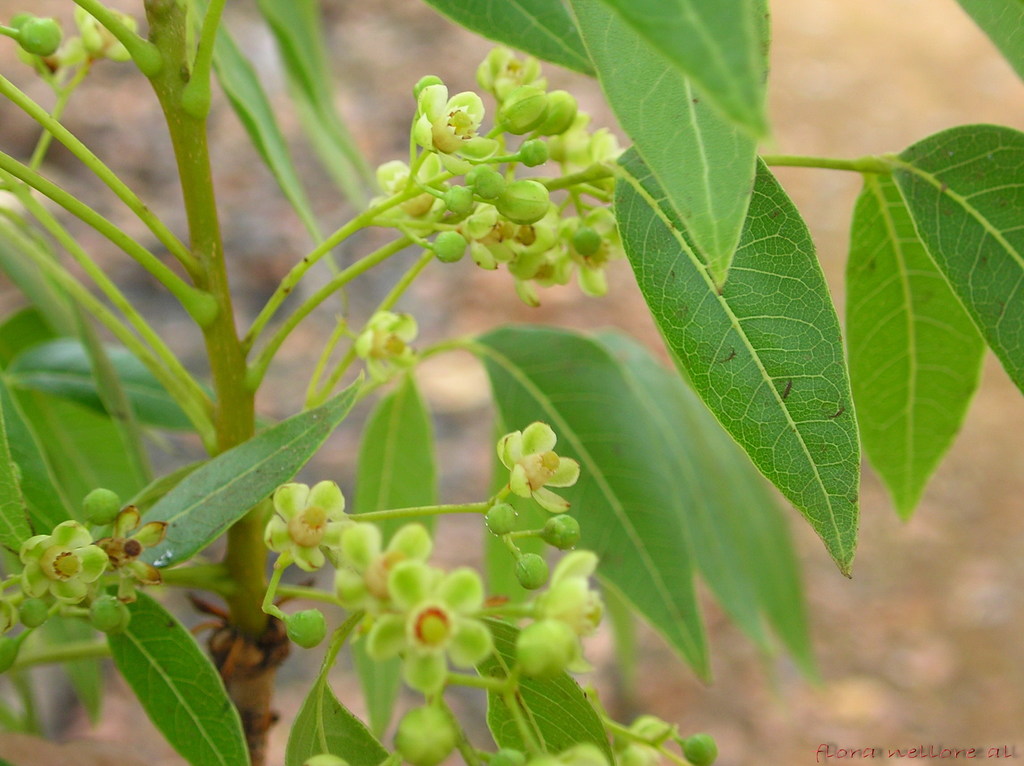
—observations
—countries
—peak records
Near ThreatenedConservation statusIUCN Red List categoriesLCNTVUENCREWEXNear ThreatenedRed List categories, explained →
Diet & prey
- Autotrophic (Photosynthesis)
Predators
Not available
ThreatsHistorical overharvesting, habitat destruction, insect pests
HabitatsSubtropical hardwood hammocks, coastal forests, urban parklands
Life span150–300+ years
Size / weightNot available
Classification
- OrderSapindales
- FamilyMeliaceae
- GenusSwietenia
- SpeciesSwietenia mahagoni
Range data is not available yet.
Interaction riskLow
- Low
- Moderate
- High
- Very high
- Why interaction risk is low
- Safe to observe at a normal distance.
- What to notice
- Recognize by dark reddish-brown fissured bark, small pinnate leaves, and heavy woody seed pods.
- Support conservation
- Avoid gathering wild seed capsules or damaging bark when exploring protected coastal hammocks.
Responsible observation
- Leaf Inspection: Look for smooth, asymmetrical compound leaflets arranged in pairs along the central stem.
- Fruit Observation: Spot large, pear-shaped wooden capsules hanging in the upper canopy during winter.
- Bark Identification: Check for scaly, deeply fissured dark reddish-brown bark on mature trunks.
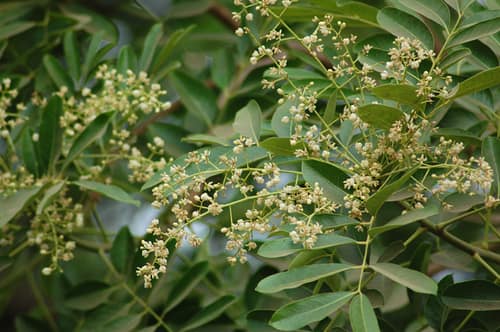
Ecological Counterpart (c) jayeshpatil912, some rights reserved (CC BY) · cc-by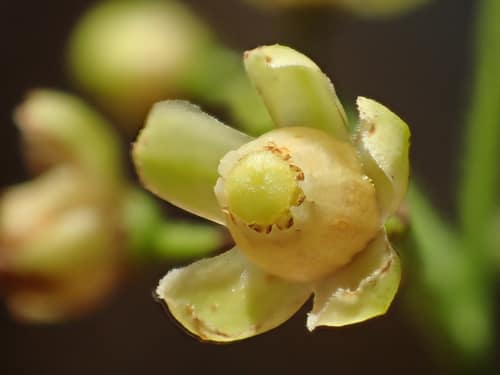
Close Relative no rights reserved, uploaded by 葉子 · cc0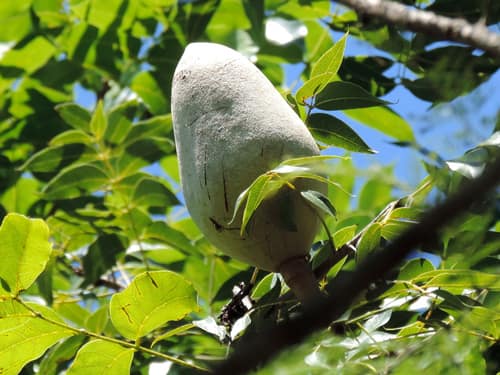
Close Relative (c) Francisco Farriols Sarabia, some rights reserved (CC BY), uploaded by Francisco Farriols Sarabia · cc-by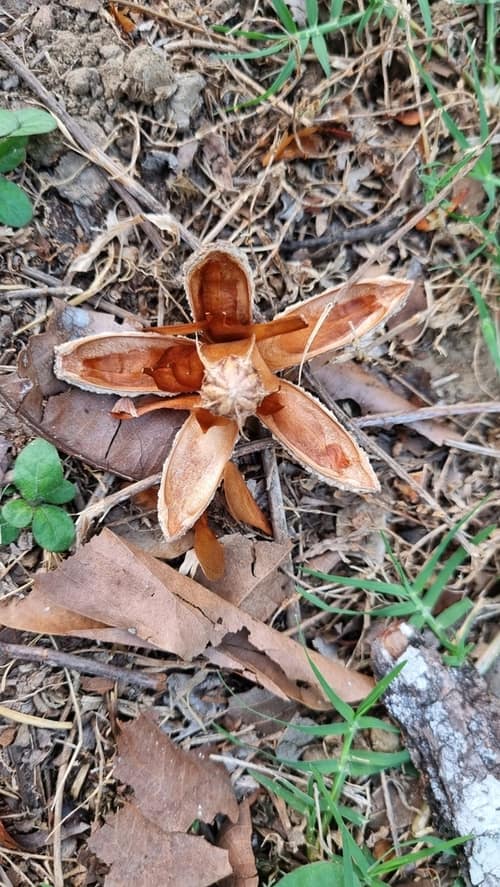
Family Relative (c) Kelin Guerra, some rights reserved (CC BY), uploaded by Kelin Guerra · cc-by
Help improve the field guideSomething wrong?
Checking your Fauna account…Report a name, category, or profile issue for review.