
Plant · GBIF taxon 3190450
Gumbo Limbo
Bursera simarubaAlso known as Tourist Tree, Copperwood, Almácigo, West Indian Birch
Gumbo limbo trees dominate Caribbean and South Florida coastal hammocks with distinctive, peeling copper bark that carries out photosynthesis even when the canopy sheds its foliage during dry spells. Their pliable branches bend rather than snap during tropical hurricanes, allowing weathered trunks to survive extreme windstorms. Clusters of ripe red seeds supply vital nourishment to migratory songbirds and resident white-crowned pigeons navigating coastal migration corridors.
TropicalDeciduousDrought-Tolerant
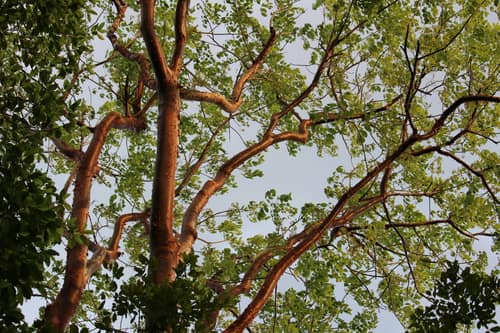
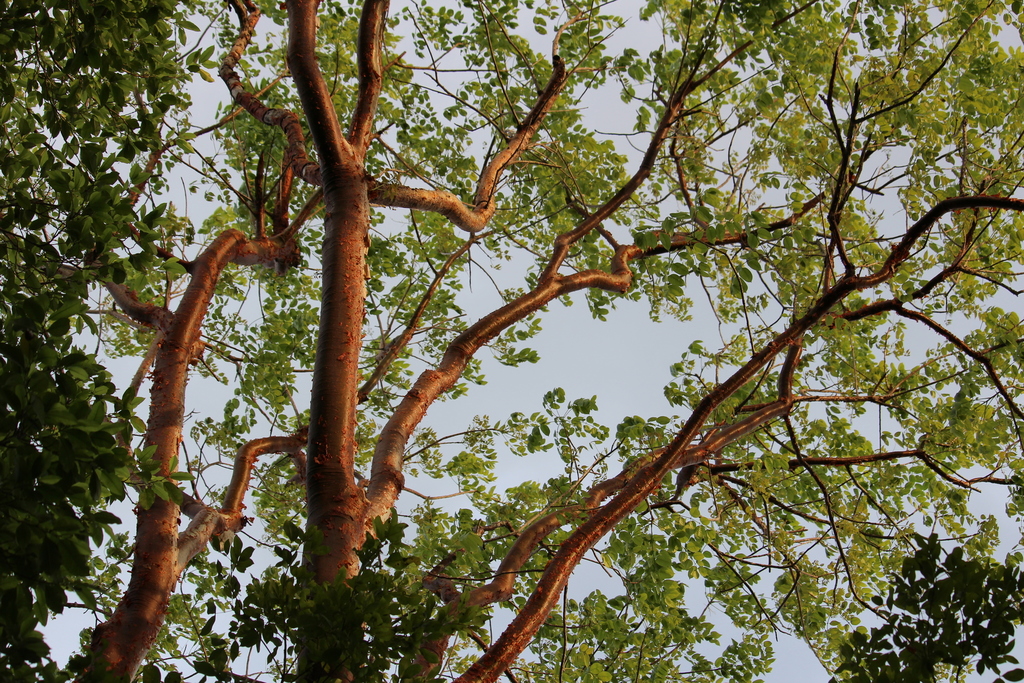
—observations
—countries
—peak records
Least ConcernConservation statusIUCN Red List categoriesLCNTVUENCREWEXLeast ConcernRed List categories, explained →
Diet & prey
- Sunlight
- Water
- Soil minerals
Predators
- Wood-boring beetles
- Leaf-cutting ants
ThreatsSevere frost events, coastal urban development, and habitat fragmentation
HabitatsCoastal hammocks, tropical dry forests, pine rocklands, and mangrove margins
Life span50–100 years
Size / weightNot available
Classification
- OrderSapindales
- FamilyBurseraceae
- GenusBursera
- SpeciesBursera simaruba
Range data is not available yet.
Interaction riskLow
- Low
- Moderate
- High
- Very high
- Why interaction risk is low
- Safe to observe at a normal distance.
Responsible observation
- Bark Inspection: Examine the paper-thin, coppery sheets peeling from the trunk to reveal vibrant green photosynthetic layer beneath.
- Canopy Birding: Scan the fruiting branches in late summer and autumn for foraging pigeons, vireos, and warblers.
- Propagation Observation: Look for fence posts cut from gumbo limbo branches that have sprouted roots and grown into living trees.
 Image unavailable
Frequent Companion 
Seed Disperser Lip Kee from Singapore, Republic of Singapore / CC BY-SA 2.0 · cc-by-sa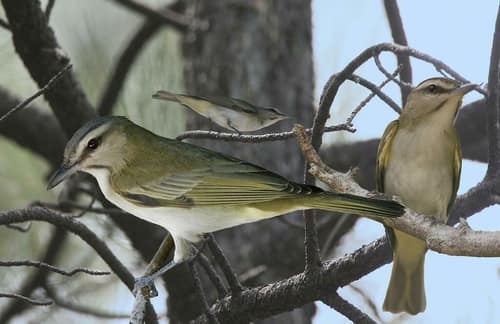
Forager (c) Richard Crossley, some rights reserved (CC BY-SA) · cc-by-sa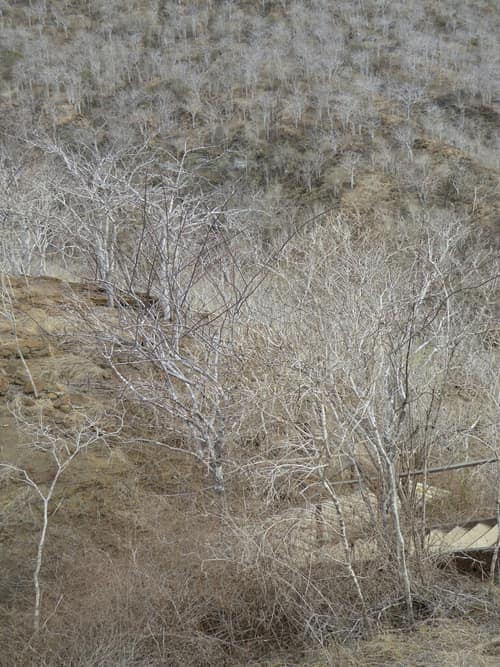
Close Relative (c) Susan Murphy, some rights reserved (CC BY), uploaded by Susan Murphy · cc-by
Help improve the field guideSomething wrong?
Checking your Fauna account…Report a name, category, or profile issue for review.