
Plant
Elephant Tree
Bursera microphyllaAlso known as Torote, Torote Blanco, Littleleaf Elephant Tree, Copal
Elephant trees dominate rocky Sonoran Desert slopes with swollen, water-retaining trunks and twisted limbs sheathed in papery, peeling bark. Crushed twigs and leaves release a pungent, aromatic resin reminiscent of citrus and frankincense, evolved to deter desert herbivores. Drought-deciduous by nature, these sculptural succulents shed their tiny pinnate leaflets during dry spells and leaf out rapidly following desert rains.
DesertSucculentAromatic
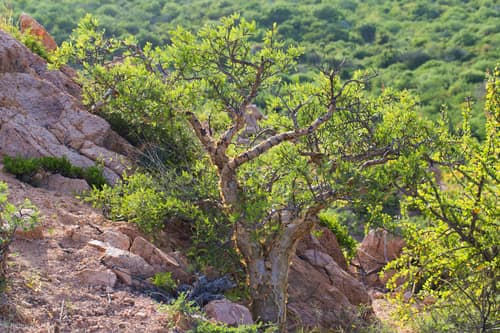
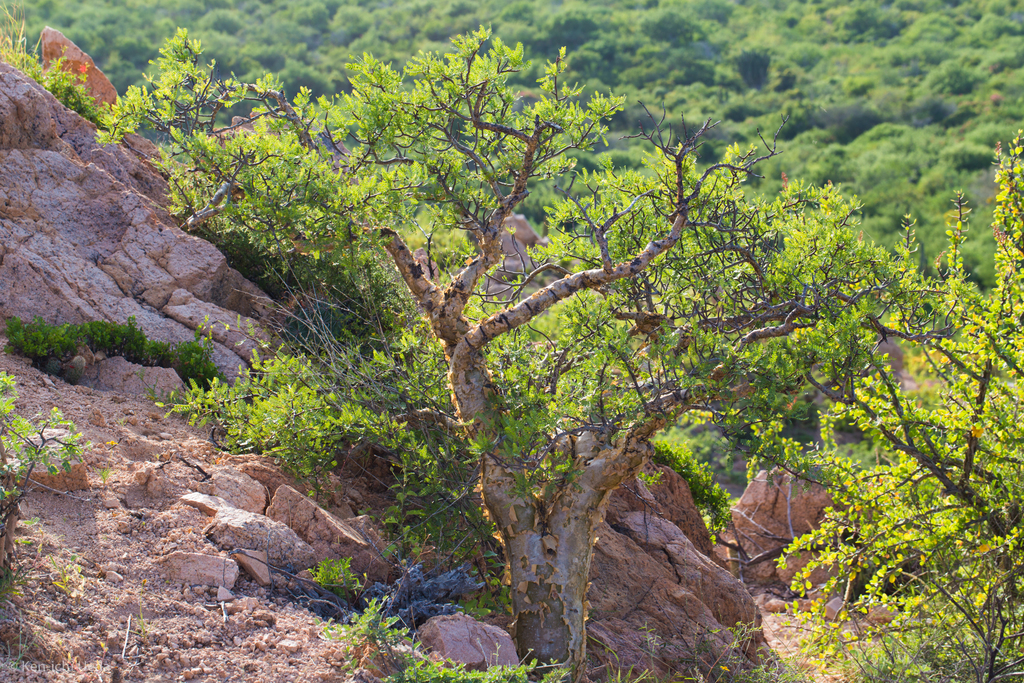
—observations
—countries
—peak records
Least ConcernConservation statusIUCN Red List categoriesLCNTVUENCREWEXLeast ConcernRed List categories, explained →
Diet & preyPhotoautotrophic (absorbs sunlight, atmospheric carbon dioxide, water, and soil minerals)
Predators
- Desert Bighorn Sheep
- Desert Woodrat
- Beetle Larvae
ThreatsProlonged frost, severe prolonged drought, off-road vehicle activity, and illegal poaching
HabitatsRocky hillsides, canyon walls, desert bajadas, and volcanic talus slopes
Life span100–250 years
Classification
- FamilyBurseraceae
- SpeciesBursera microphylla
Range data is not available yet.
Interaction riskLow
- Low
- Moderate
- High
- Very high
- Why interaction risk is low
- Safe to observe at a normal distance.
Responsible observation
- Aroma test: Gently brush a fallen leaf to detect the pungent, citrus-pine resin scent.
- Rocky slope footwork: Watch your footing on loose scree and rocky slopes where these trees anchor.
- Bark preservation: Never peel or strip the papery bark, which shields the green photosynthetic underlayer.
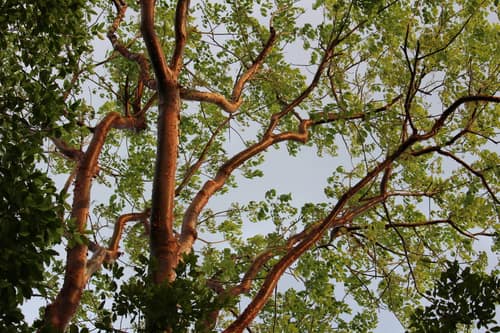
Same Genus (c) Ricard Busquets Reverte, some rights reserved (CC BY), uploaded by Ricard Busquets Reverte · cc-by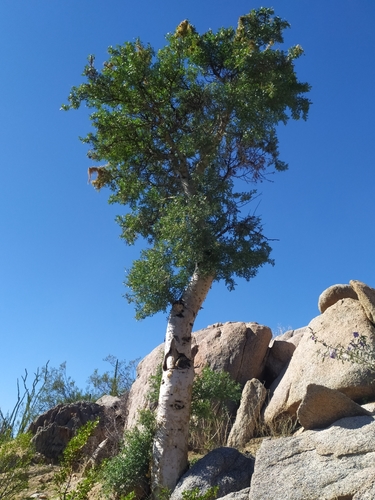
Convergent Neighbor (c) Daniela Gámez, some rights reserved (CC BY), uploaded by Daniela Gámez · cc-by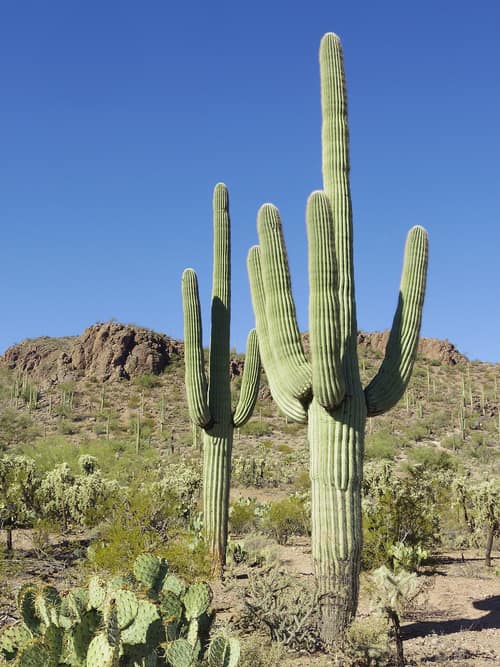
Frequent Companion WClarke / CC BY-SA 3.0 · cc-by-sa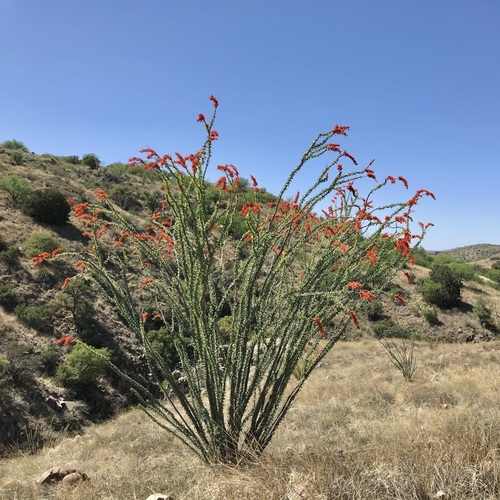
Frequent Companion (c) Sue Carnahan, some rights reserved (CC BY), uploaded by Sue Carnahan · cc-by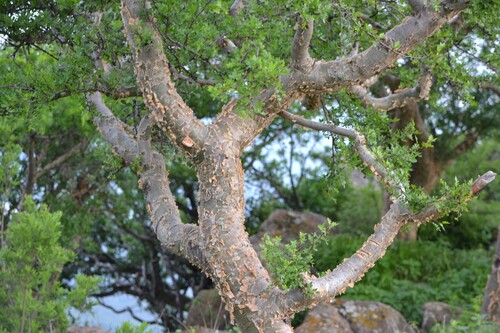
Close Relative (c) Mauricio Calderón, some rights reserved (CC BY) · cc-by
Help improve the field guideSomething wrong?
Checking your Fauna account…Report a name, category, or profile issue for review.