Also known as Sweet Orange, Orange Tree, Round Orange
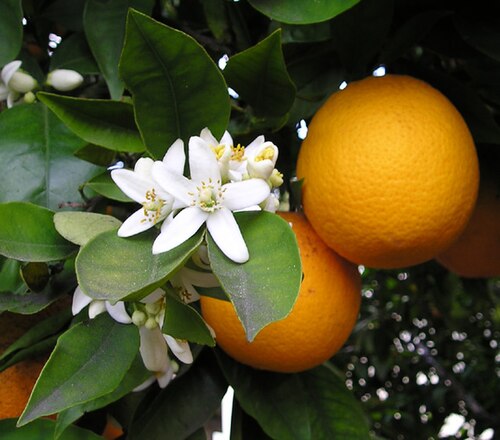
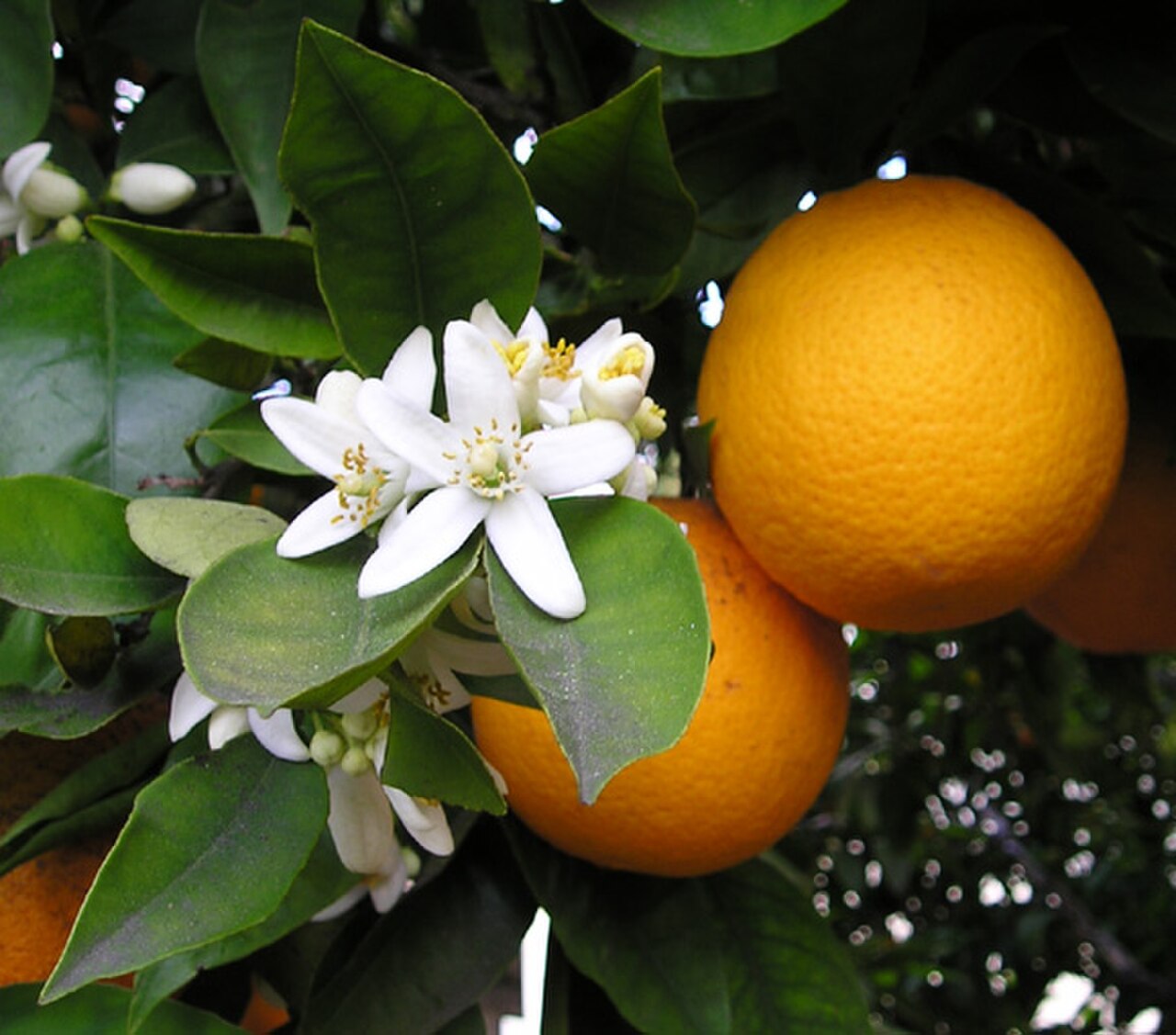
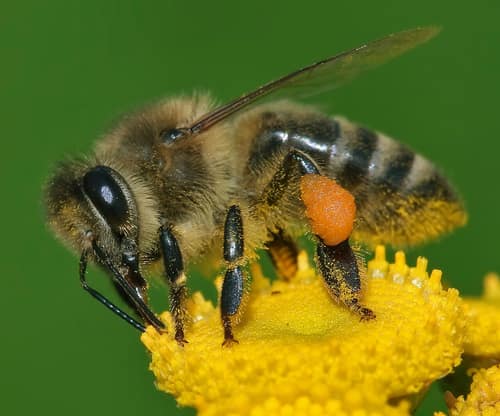
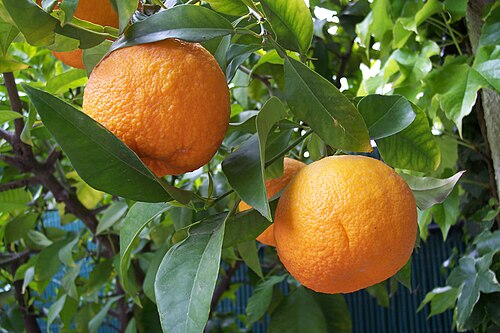
Sweet orange trees feature glossy, aromatic foliage and dense, rounded canopies that remain vibrant throughout the year. In spring, they produce clusters of waxy, intensely fragrant white blossoms that draw immense numbers of nectar-seeking insects. The resulting fruit is a specialized modified berry called a hesperidium, characterized by a leathery, oil-rich rind surrounding segmented, juice-filled vesicles.
Not EvaluatedConservation statusIUCN Red List categoriesLCNTVUENCREWEXNot Evaluated — not placed on the risk ladderRed List categories, explained →
Key facts
Diet & prey
Autotrophic (photosynthetic)
Predators
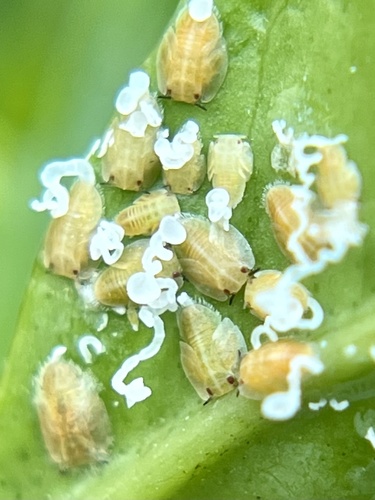
Asian Citrus Psyllid
Citrus Leafminer
Mediterranean Fruit Fly
ThreatsCitrus greening disease (Huanglongbing), citrus canker, and severe frost
HabitatsSubtropical orchards, warm temperate valleys, and cultivated gardens
Life span50–100 years
Size / weightNot available
Classification
OrderSapindales
FamilyRutaceae
GenusCitrus
SpeciesCitrus sinensis
Range & activity
Range data is not available yet.
Safe observation
Interaction riskHigh
Low
Moderate
High
Very high
Why interaction risk is high
Toxic to dogs and cats if ingested; keep pets away from fallen fruit and rinds.
Why it is dangerous
Citrus peels, seeds, and stems contain essential oils like limonene and phototoxic psoralens, producing vomiting, diarrhea, and central nervous depression in domestic pets.
How to recognize a risky encounter
Look for glossy ovate leaves with narrowly winged leaf stems, fragrant white star-like flowers, and spherical orange fruit.
What to do
Restrict pets from browsing orchard floor debris or chewing branches, and seek veterinary care if significant ingestion occurs.
Responsible observation
Pet Safety: Promptly clear fallen rinds and fruit to prevent curious dogs and cats from chewing them.
Pest Inspection: Examine tender new leaf shoots closely for leafminer tunnels or sap-feeding psyllid nymphs.
Sunlight Requirements: Position trees in deep, well-draining soil where they receive at least six hours of full sun.