
Plant · GBIF taxon 3189882
Japanese Maple
Acer palmatumAlso known as Palmate Maple, Smooth Japanese Maple
Japanese maples dominate the understory of temperate East Asian mountain forests with delicate, palm-shaped leaves that turn brilliant shades of crimson, orange, and gold in autumn. Their graceful, contorted branches produce small reddish-purple spring flowers followed by pairs of winged seeds that helicopter to the ground on autumn breezes. Cultivated for centuries, these slow-growing trees now thrive globally in shaded gardens and parks as iconic ornamental specimens.
DeciduousOrnamentalAutumn Color
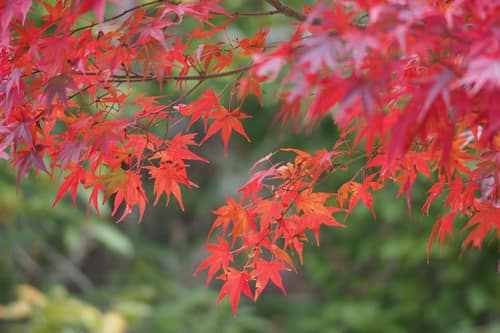
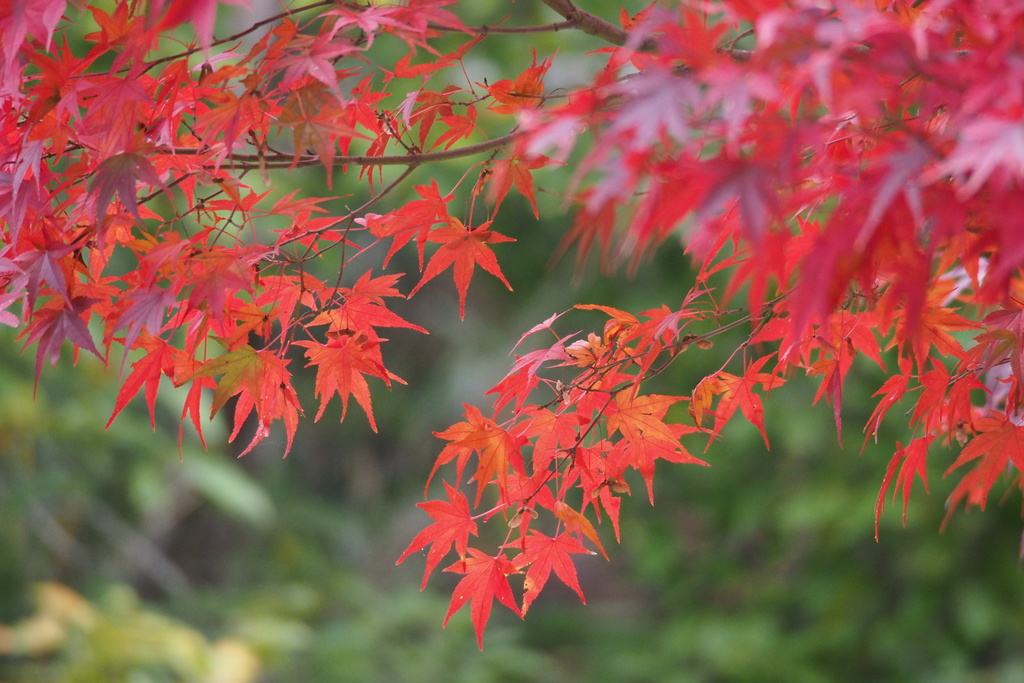 1 / 7
1 / 7—observations
—countries
—peak records
Least ConcernConservation statusIUCN Red List categoriesLCNTVUENCREWEXLeast ConcernRed List categories, explained →
Diet & prey
- Autotrophic (Photosynthesis)
Predators
- Aphids
- Scale Insects
- Deer
ThreatsHabitat loss, aphid infestations, verticillium wilt, extreme drought
HabitatsTemperate forests, mountain slopes, woodland gardens, parks
Life span100–150 years
Size / weightNot available
Classification
- OrderSapindales
- FamilySapindaceae
- GenusAcer
- SpeciesAcer palmatum
Range data is not available yet.
Interaction riskLow
- Low
- Moderate
- High
- Very high
- Why interaction risk is low
- Safe to observe at a normal distance.
Responsible observation
- Spring Viewing: Look for tiny, ruby-red flower clusters emerging alongside soft new foliage.
- Autumn Foliage: Visit shaded groves in late autumn when leaves transition to brilliant crimson.
- Seed Spotting: Observe paired winged samaras spinning down from branches on breezy days.
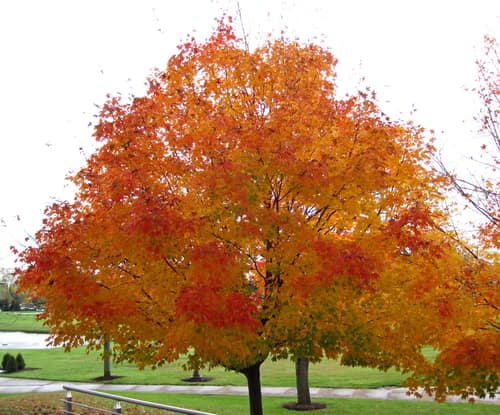
Close Relative (c) James St. John, some rights reserved (CC BY) · cc-by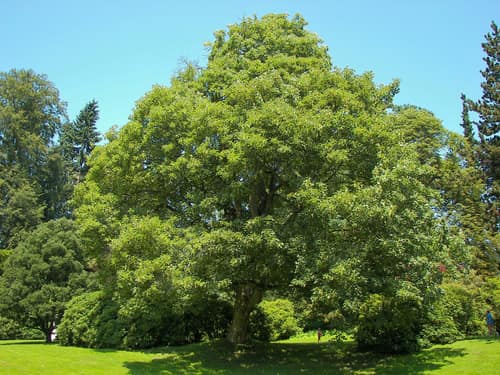
Close Relative (c) Willow, some rights reserved (CC BY-SA) · cc-by-sa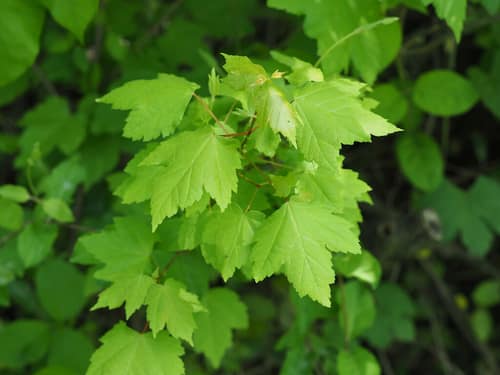
Close Relative no rights reserved, uploaded by mefisher · cc0
Help improve the field guideSomething wrong?
Checking your Fauna account…Report a name, category, or profile issue for review.