
Plant
Norway Maple
Acer platanoidesAlso known as European Maple
Norway maples form exceptionally dense shade canopies that suppress understory plants and native tree seedlings beneath them. Broad five-lobed leaves break open in spring alongside yellow-green flower clusters that attract early pollinators before producing wide-winged paired samaras. Widely planted across North America as a tough urban shade tree, it frequently escapes cultivation to displace native forest species.
DeciduousTreeInvasive
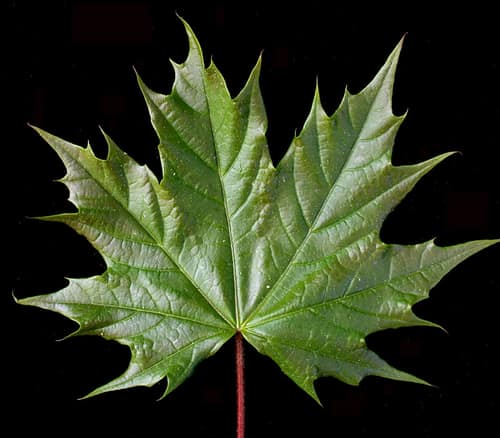
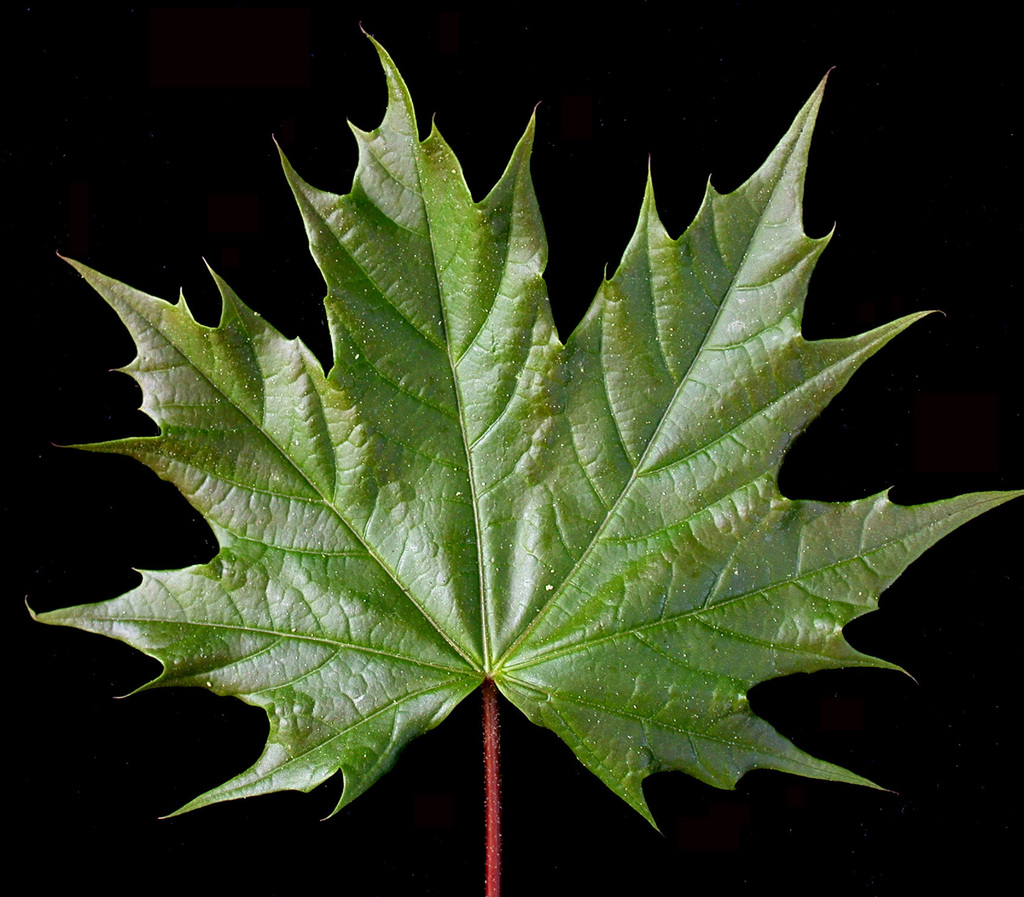
—observations
—countries
—peak records
Least ConcernConservation statusIUCN Red List categoriesLCNTVUENCREWEXLeast ConcernRed List categories, explained →
Diet & preyAutotrophic (Photosynthetic)
Predators
- Asian Longhorned Beetle
- Aphids
- White-Tailed Deer
ThreatsAsian longhorned beetle, verticillium wilt, powdery mildew
HabitatsTemperate deciduous forests, urban parks, roadsides, disturbed woodlands
Life span150–250 years
Classification
- OrderSapindales
- FamilySapindaceae
- GenusAcer
- SpeciesAcer platanoides
Range data is not available yet.
Interaction riskLow
- Low
- Moderate
- High
- Very high
- Why interaction risk is low
- Safe to observe at a normal distance.
Responsible observation
- Check for Milky Sap: Snip a leaf stem to reveal a clear milky latex unique among common maples.
- Examine Seed Wings: Look for samara seed pods spreading horizontally at nearly a 180-degree angle.
- Inspect Fall Foliage: Observe bright yellow leaf colors that linger late into autumn after native trees drop leaves.
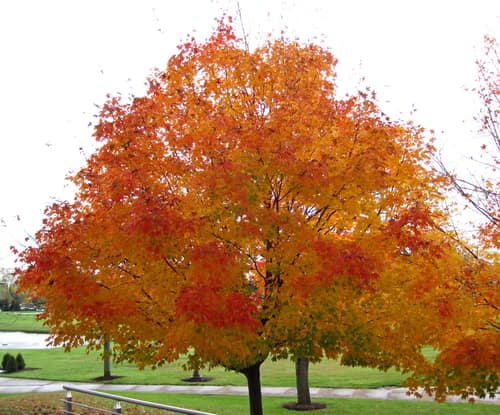
Close Relative (c) James St. John, some rights reserved (CC BY) · cc-by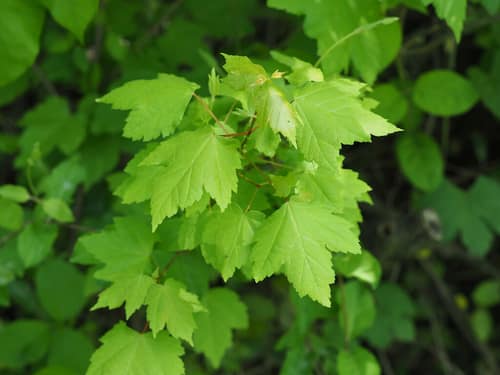
Close Relative no rights reserved, uploaded by mefisher · cc0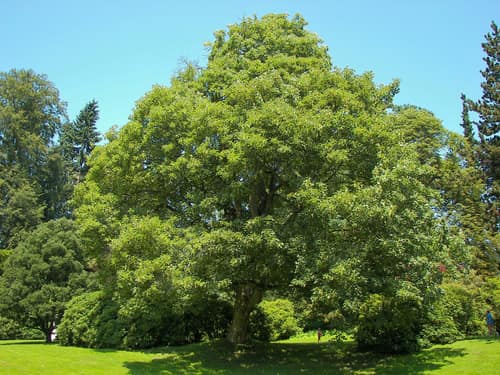
Close Relative (c) Willow, some rights reserved (CC BY-SA) · cc-by-sa
Help improve the field guideSomething wrong?
Checking your Fauna account…Report a name, category, or profile issue for review.