
Plant · GBIF taxon 3189824
Yellow Buckeye
Aesculus flavaAlso known as Sweet Buckeye, Common Buckeye, Big Buckeye
Yellow buckeye is one of the largest deciduous forest giants in the southern Appalachians, often anchoring the deep, fertile coves of mixed mesophytic woodlands. Spring brings upright panicles of pale yellow-to-greenish flowers that attract early ruby-throated hummingbirds and queen bumblebees before the full canopy closes. By late summer, heavy capsules drop smooth, glossy brown seeds marked with pale scars that resemble the eye of a deer.
Canopy TreeDeciduousAppalachian
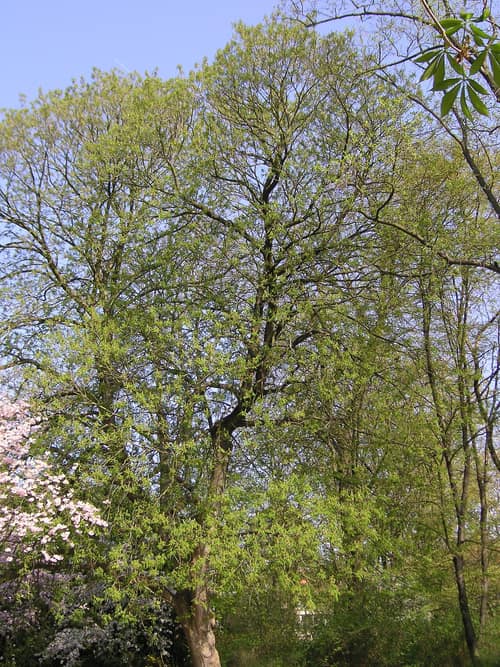
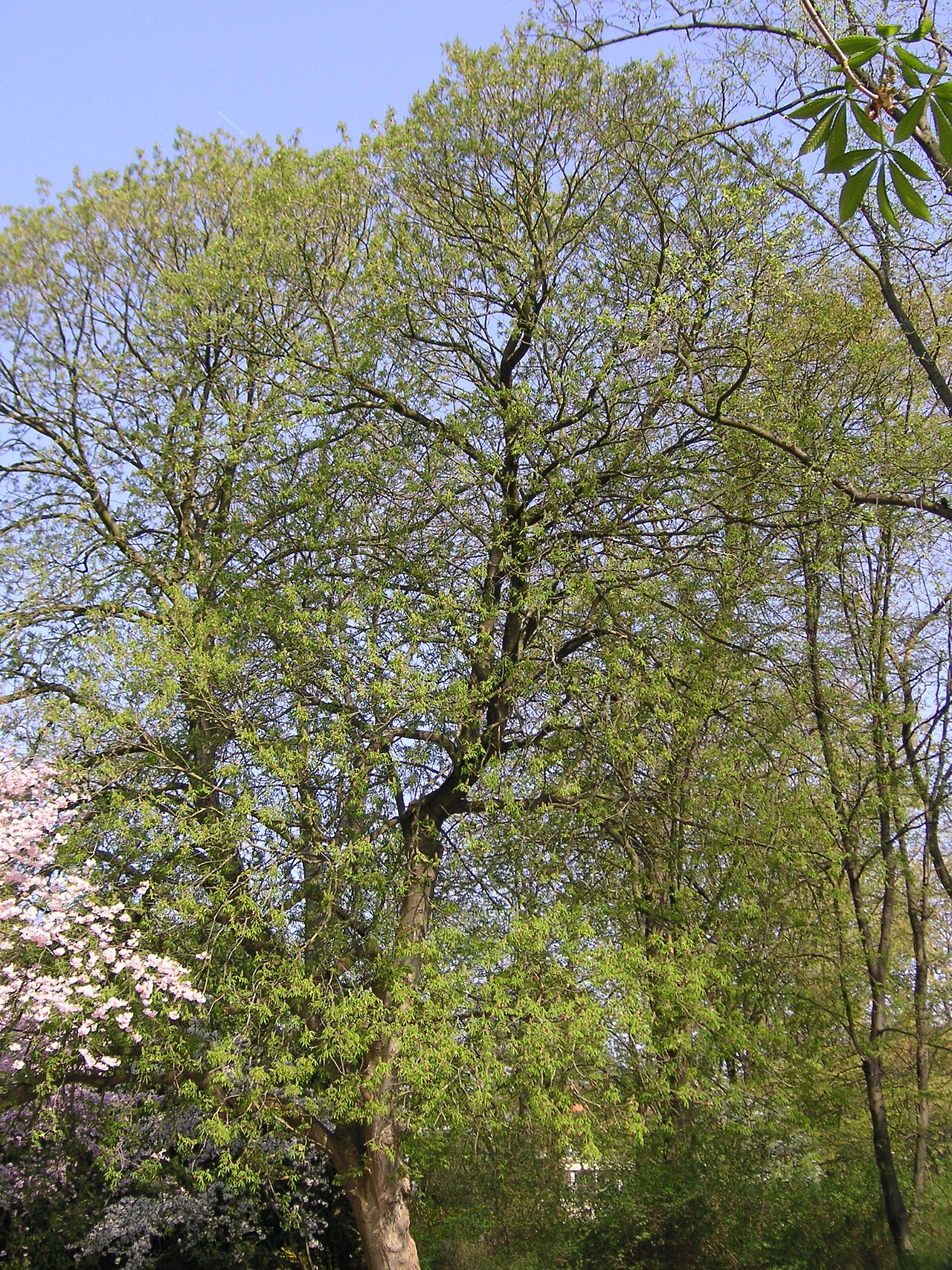
Licensed referenceSchlurcher / CC BY 4.0 · cc-by
—observations
—countries
—peak records
Least ConcernConservation statusIUCN Red List categoriesLCNTVUENCREWEXLeast ConcernRed List categories, explained →
Diet & prey
- Photosynthesis: absorbs sunlight, water, and soil minerals
Predators
- White-tailed Deer
- Eastern Gray Squirrel
- Buckeye Leaf Miner
ThreatsBuckeye leaf blotch, habitat fragmentation, and climate-induced drought stress
HabitatsMoist, rich mesophytic forests, river valleys, and mountain cove slopes
Life span150–300 years
Size / weightNot available
Classification
- OrderSapindales
- FamilySapindaceae
- GenusAesculus
- SpeciesAesculus flava
Range data is not available yet.
Interaction riskHigh
- Low
- Moderate
- High
- Very high
- Why interaction risk is high
- Seeds and leaves contain toxic aesculin; never ingest and keep away from dogs.
- Why it is dangerous
- Contains toxic glucoside aesculin and saponins that trigger severe vomiting, diarrhea, dilated pupils, and muscular weakness if swallowed.
- How to recognize a risky encounter
- Recognized by palmately compound leaves with five finely toothed leaflets and smooth, leathery yellow-brown seed capsules.
- What to do
- Never consume buckeye nuts or leave fallen seeds within reach of curious pets and small children.
Responsible observation
- Viewing Season: Spot striking upright flower clusters during mid-to-late spring before foliage fully shades the understory.
- Seed Identification: Distinguish its smooth fruit husks from the spiny or warty husks of other native buckeyes.
- Bark Clues: Look for mature gray bark that breaks into distinctive large, flaky scales.
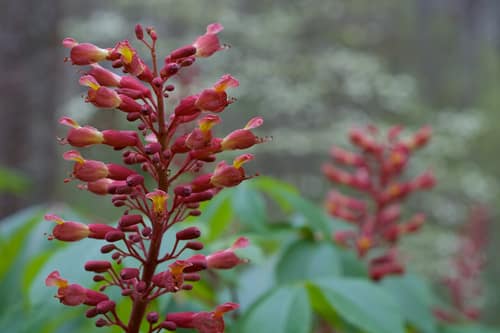
Same Genus Eric Hunt / CC BY-SA 4.0 · cc-by-sa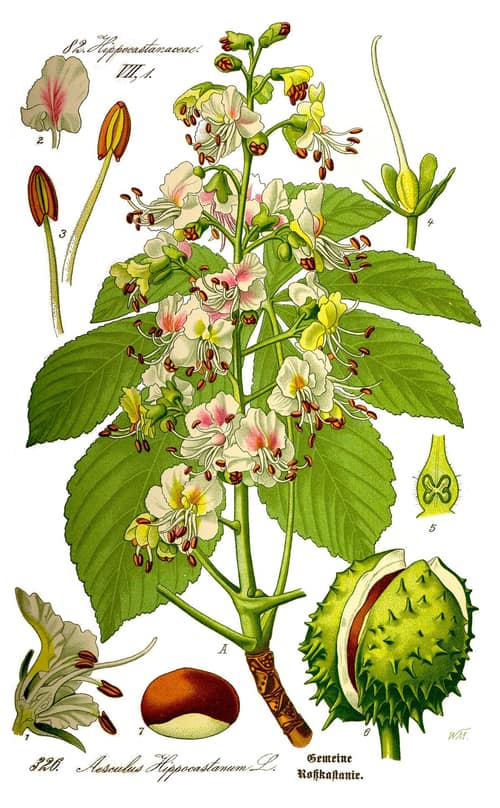
Same Genus User:Kilom691 / Public domain · cc0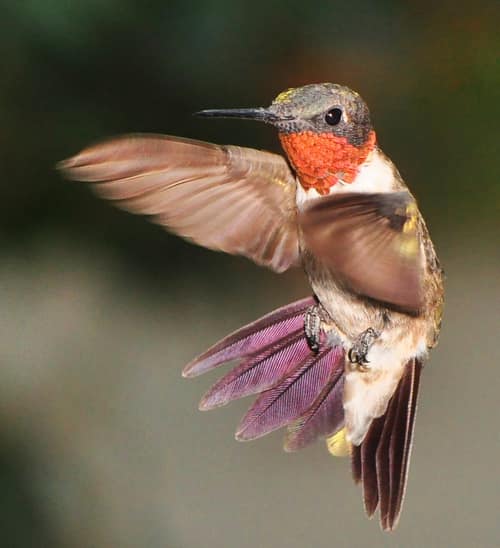
Pollinator jeffreyw / CC BY 2.0 · cc-by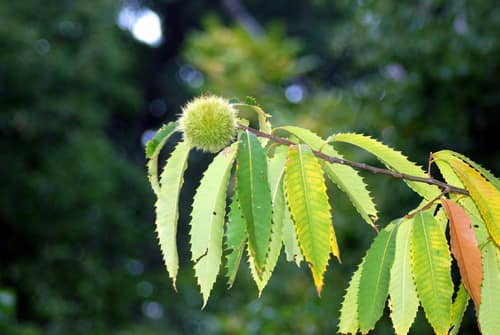
Look-alike (c) Bob MacInnes, some rights reserved (CC BY) · cc-by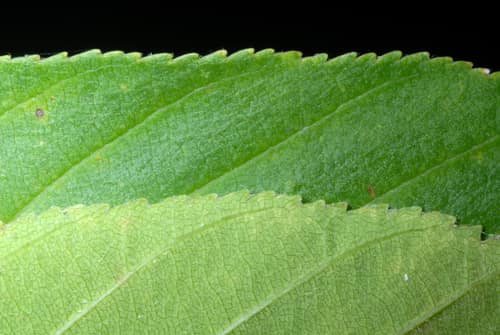
Close Relative (c) Douglas Goldman, some rights reserved (CC BY-SA), uploaded by Douglas Goldman · cc-by-sa
Help improve the field guideSomething wrong?
Checking your Fauna account…Report a name, category, or profile issue for review.