
Plant · GBIF taxon 3189815
Horse-chestnut
Aesculus hippocastanumAlso known as European Horse-chestnut, Conker Tree
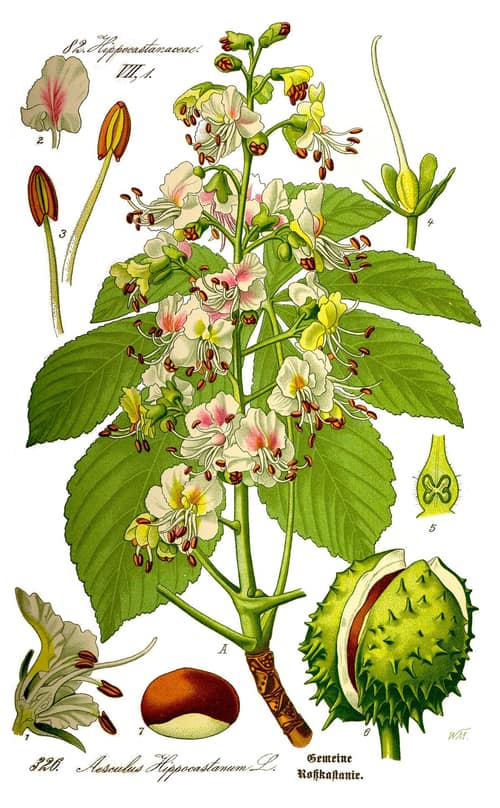
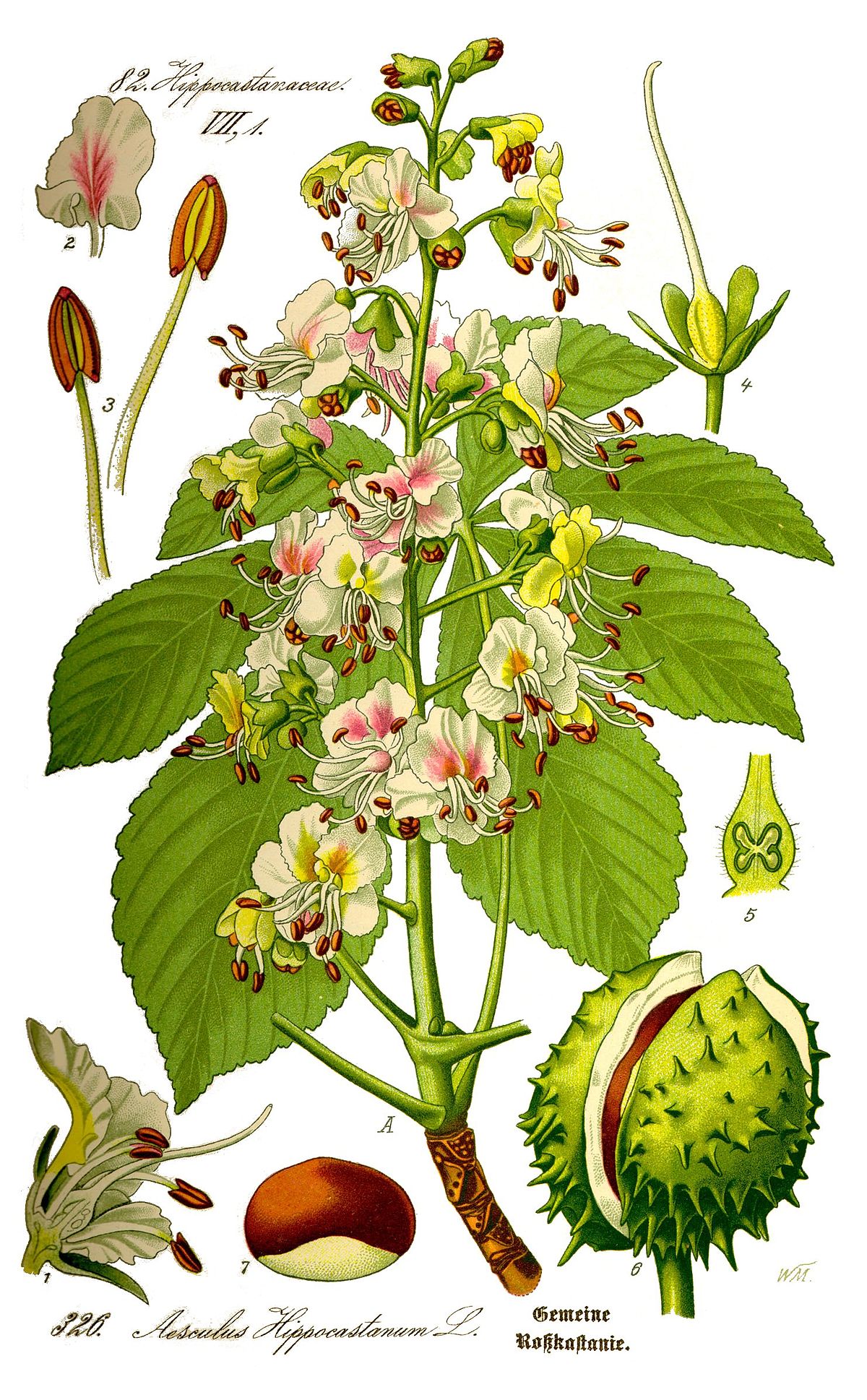
Horse-chestnut is a large deciduous tree with palmately compound leaves and upright towers of white flowers marked yellow or red. Spiny husks later enclose glossy brown conkers, and the tree belongs to a different family from true chestnuts.
palmate leavesflower candlesconker tree
—observations
—countries
—peak records
VulnerableConservation statusIUCN Red List categoriesLCNTVUENCREWEXVulnerableRed List categories, explained →
Diet & prey
- Photosynthesis; broad roots absorb water and mineral nutrients from deep soil
Predators
- leaf-mining moths
- scale insects
- browsing mammals
ThreatsLeaf-mining moths, bleeding canker, drought, heat, soil compaction, and loss of wild habitat
HabitatsMountain woodland, ravines, parks, avenues, estates, and mature urban landscapes
Life spanOften 150 to 300 years
Size / weightNot available
Classification
- OrderSapindales
- FamilySapindaceae
- GenusAesculus
- SpeciesAesculus hippocastanum
Range data is not available yet.
Interaction riskHigh
- Low
- Moderate
- High
- Very high
- Why interaction risk is high
- Horse-chestnuts have dangerous look-alikes; conkers and other tissues are toxic, so do not eat or ingest wild material.
- Why it is dangerous
- Seeds, leaves, bark, and flowers contain toxic compounds that can cause serious illness when swallowed.
- How to recognize a risky encounter
- Large palmate leaves and spiny green husks enclosing glossy brown conkers distinguish horse-chestnut.
- What to do
- Never taste conkers or other tissues; keep fallen seeds away from children, pets, and livestock.
- What to notice
- Confirm a large tree with palmate leaves, upright white flower clusters, and spiny conker husks.
- Support conservation
- Observe wild trees without collecting seeds or cuttings and keep precise remnant-population locations private.
Responsible observation
- Leaf: Look for five to seven large leaflets spreading from one point.
- Fruit: Leave every spiny husk and glossy conker where it falls.
Help improve the field guideSomething wrong?
Checking your Fauna account…Report a name, category, or profile issue for review.