
Plant · GBIF taxon 3189806
Ohio Buckeye
Aesculus glabraAlso known as Fetid Buckeye
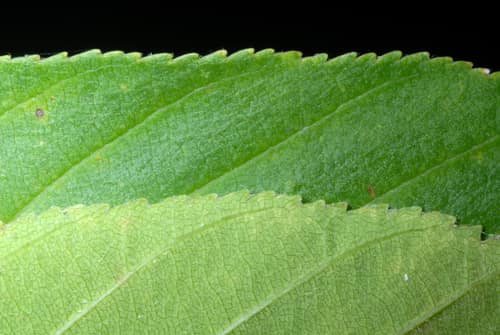
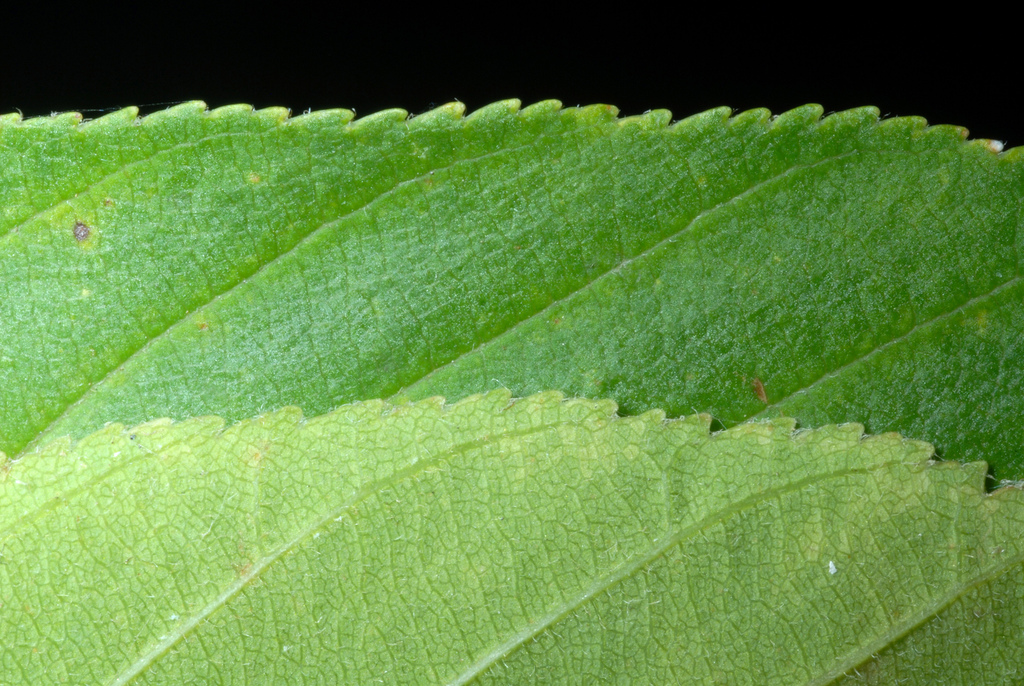
Ohio buckeye carries palmately compound leaves and upright clusters of yellow-green spring flowers. Smooth brown seeds develop inside rounded husks, and crushed twigs or leaves release the strong odor behind the name fetid buckeye.
Deciduous TreePalmate LeavesBrown Seeds
 1 / 7
1 / 7—observations
—countries
—peak records
Least ConcernConservation statusIUCN Red List categoriesLCNTVUENCREWEXLeast ConcernRed List categories, explained →
Diet & prey
- Photosynthesis; roots absorb water and mineral nutrients
Predators
- Leaf miners
- Deer
- Seed-feeding rodents
ThreatsForest clearing, prolonged drought, leaf blotch, leaf scorch, and soil compaction
HabitatsMoist bottomland forest, stream valleys, rich woodland, and shaded slopes
Life spanCommonly about 60 to 80 years, with some trees living longer
Size / weightNot available
Classification
- OrderSapindales
- FamilySapindaceae
- GenusAesculus
- SpeciesAesculus glabra
Range data is not available yet.
Interaction riskHigh
- Low
- Moderate
- High
- Very high
- Why interaction risk is high
- Seeds, leaves, and bark contain toxic compounds; do not ingest them and keep pets and livestock away.
- Why it is dangerous
- Aesculin and related compounds can cause vomiting, weakness, tremors, paralysis, and potentially severe poisoning when swallowed.
- How to recognize a risky encounter
- Look for five-part palmate leaves, upright yellow-green flower clusters, and smooth brown seeds with a pale scar.
- What to do
- Never eat or prepare any tissue, and prevent children, pets, and livestock from chewing fallen seeds or branches.
Responsible observation
- Leaves: Count five leaflets radiating from the end of one stalk.
- Seeds: Observe glossy brown buckeyes on the ground without collecting or tasting them.
Help improve the field guideSomething wrong?
Checking your Fauna account…Report a name, category, or profile issue for review.