
Plant · GBIF taxon 3189767
Greater Plantain
Plantago majorAlso known as Broadleaf Plantain, Common Plantain, Waybread, White Man's Footprint
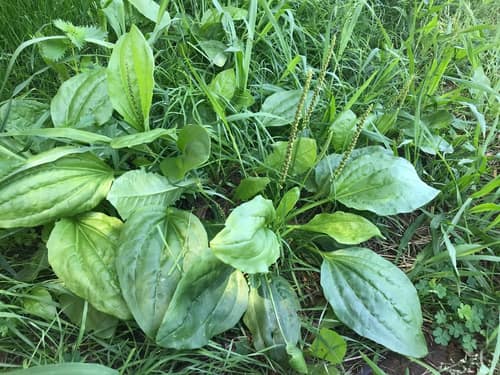
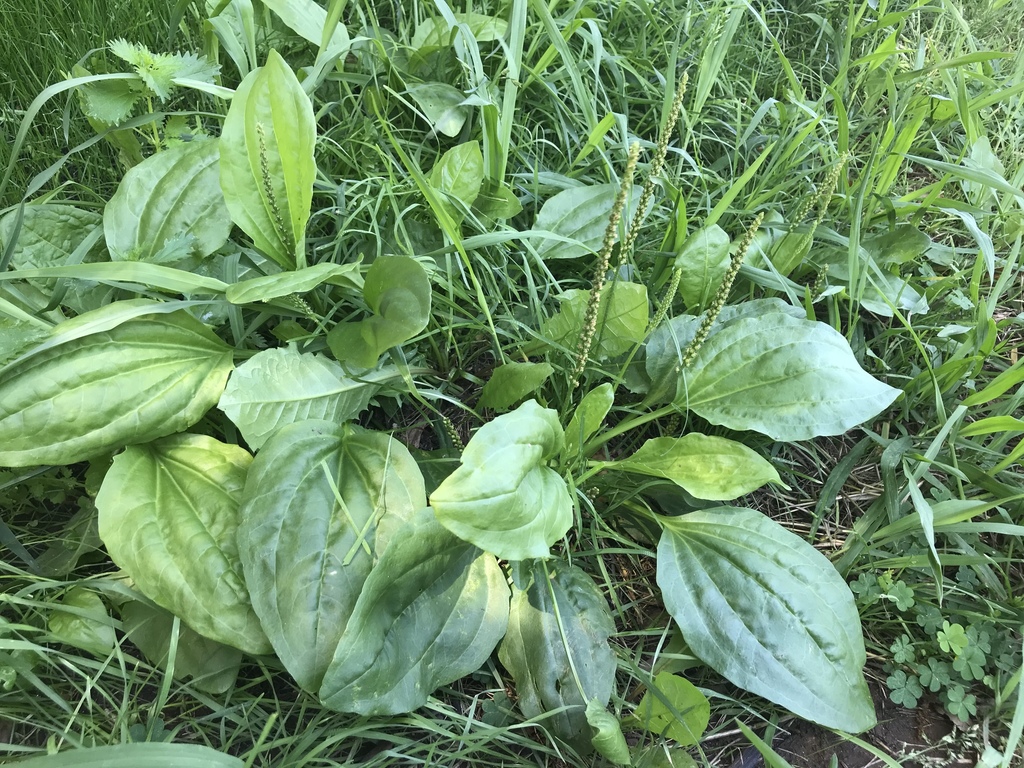
Greater plantain forms low-growing rosettes of broad, oval leaves with distinct parallel veins that survive constant trampling along footpaths and lawns. Its upright, whip-like flower stalks produce thousands of wind-pollinated seeds that become sticky when wet to hitch rides on boots and fur. Found across every continent except Antarctica, this resilient perennial thrives in compacted soils where few other plants can take root.
PerennialUrban WildlifeWind-Pollinated
—observations
—countries
—peak records
Least ConcernConservation statusIUCN Red List categoriesLCNTVUENCREWEXLeast ConcernRed List categories, explained →
Diet & prey
- Photosynthetic
Predators
- Grazing Livestock
- Caterpillars
- Slugs
ThreatsHerbicides, repeated mechanical cultivation
HabitatsLawns, footpaths, roadsides, pastures, disturbed ground
Life span3–5 years
Classification
- OrderLamiales
- FamilyPlantaginaceae
- GenusPlantago
- SpeciesPlantago major
Range data is not available yet.
Interaction riskLow
- Low
- Moderate
- High
- Very high
- Why interaction risk is low
- Safe to observe at a normal distance.
Responsible observation
- Leaf Structure: Trace the strong, parallel leaf veins running from the base to the leaf tip.
- Habitat Spotting: Look for rosettes flattened against heavily compacted dirt paths.
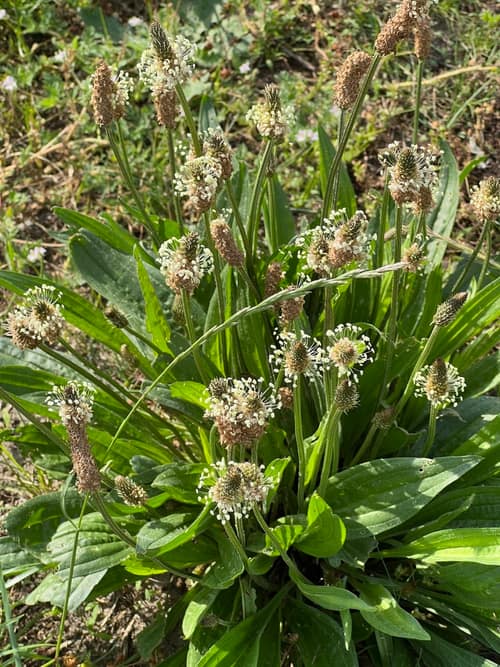
Close Relative (c) Petr Harant, some rights reserved (CC BY), uploaded by Petr Harant · cc-by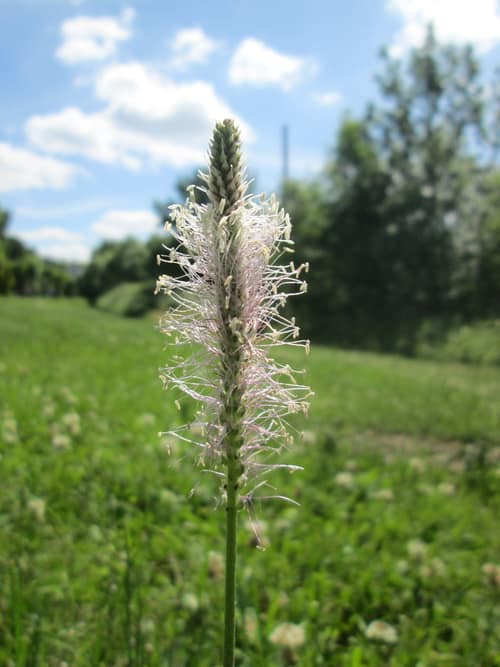
Close Relative (c) Andreas Rockstein, some rights reserved (CC BY-SA) · cc-by-sa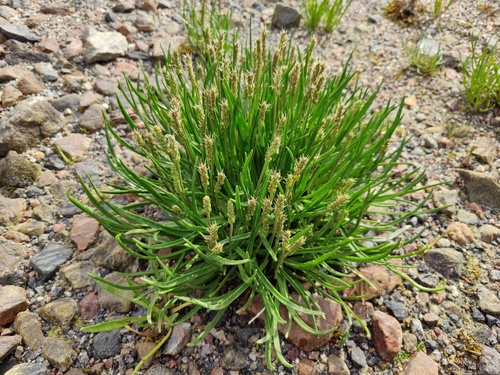
Close Relative no rights reserved, uploaded by Tatiana Gavrilova · cc0
Help improve the field guideSomething wrong?
Checking your Fauna account…Report a name, category, or profile issue for review.