
Plant
Tea
Camellia sinensisAlso known as Tea Plant, Tea Shrub
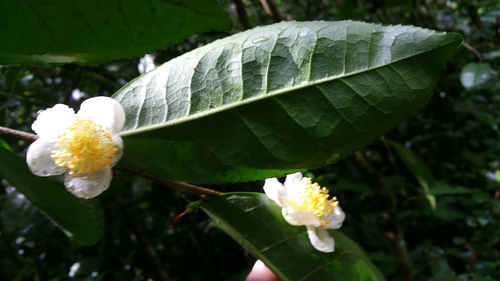
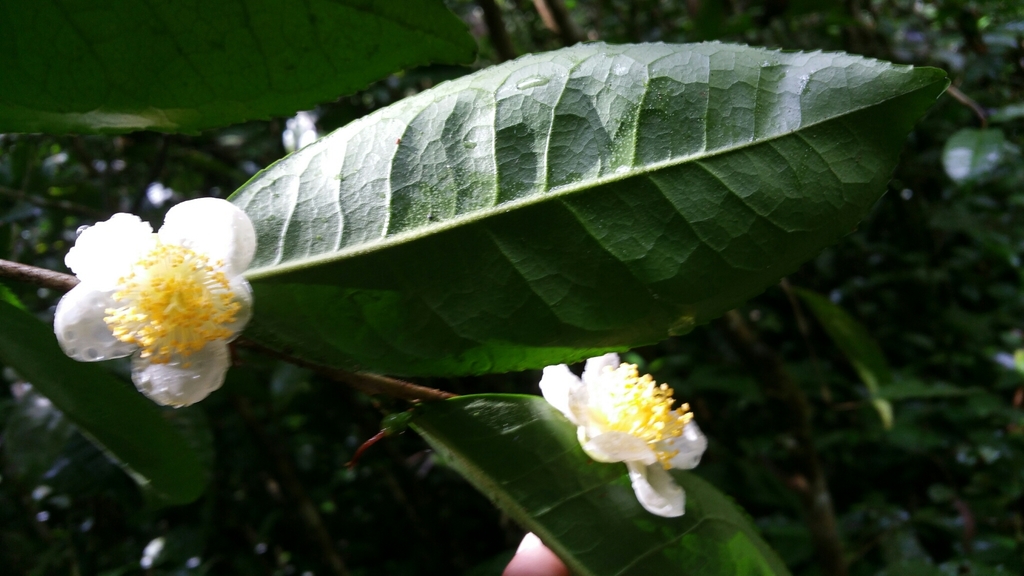
Tea grows naturally as a small evergreen tree in subtropical understories, producing delicate white flowers with prominent clusters of golden stamens in autumn. Cultivated for millennia across East and South Asia, commercial plants are kept as waist-high bushes through frequent pruning, which stimulates flushes of tender leaf buds packed with caffeine and aromatic polyphenols. In native montane forests, undisturbed trees develop thick canopies that shelter specialized forest insects and soil mycorrhizae.
EvergreenFloweringSubtropical
—observations
—countries
—peak records
Data DeficientConservation statusIUCN Red List categoriesLCNTVUENCREWEXData Deficient — not placed on the risk ladderRed List categories, explained →
Diet & preyAutotrophic (photosynthesis)
Predators
- Tea mosquito bug
- Tea geometrid caterpillar
- Red spider mite
ThreatsHabitat fragmentation, fungal leaf blights, and drought stress from climate change
HabitatsSubtropical montane forests, forest edges, and agricultural plantations
Life span50–100 years (wild specimens exceed 500 years)
Classification
- FamilyTheaceae
- SpeciesCamellia sinensis
Range data is not available yet.
Interaction riskHigh
- Low
- Moderate
- High
- Very high
- Why interaction risk is high
- Safe for humans, but toxic to dogs and cats if ingested due to concentrated caffeine.
- Why it is dangerous
- Contains concentrated methylxanthines including caffeine and theobromine, which cause dangerous heart arrhythmias, vomiting, and tremors in pets.
- How to recognize a risky encounter
- Look for glossy, serrated dark green leaves, downward-pointing white blossoms, and woody seed capsules.
- What to do
- Keep pruned foliage, dried tea, and landscape clippings completely out of reach of household pets.
Responsible observation
- Soil Requirements: Grow in acidic, well-draining soil rich in organic matter and sheltered from strong winds.
- Flower Spotting: Look for small, downward-facing white blossoms appearing along the branches in late autumn.
- Pruning Care: Pinch back branch tips in early spring to encourage dense foliage growth.
 Image unavailable
Herbivore 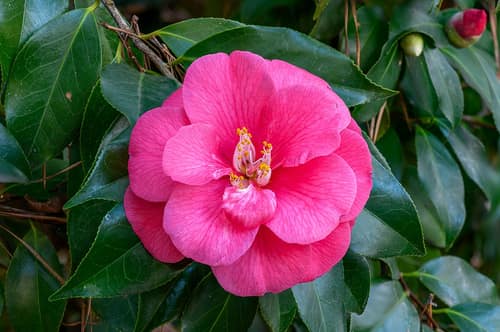
Close Relative PumpkinSky / CC BY-SA 3.0 · cc-by-sa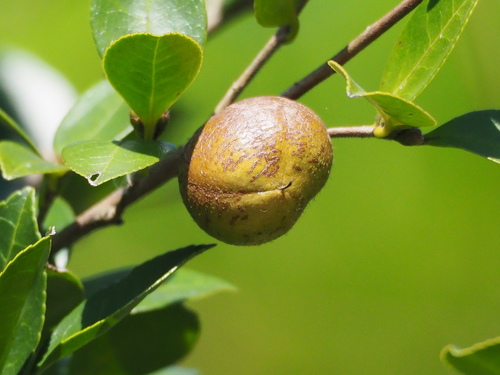
Close Relative no rights reserved, uploaded by 葉子 · cc0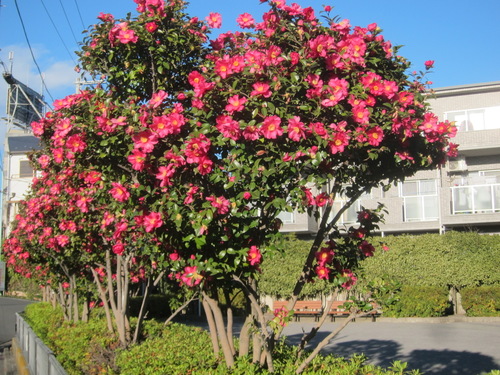
Close Relative (c) Marco Mussita, some rights reserved (CC BY), uploaded by Marco Mussita · cc-by
Help improve the field guideSomething wrong?
Checking your Fauna account…Report a name, category, or profile issue for review.